
 English
 简体中文
简体中文 Français
 Português
 Español
 لالعربية

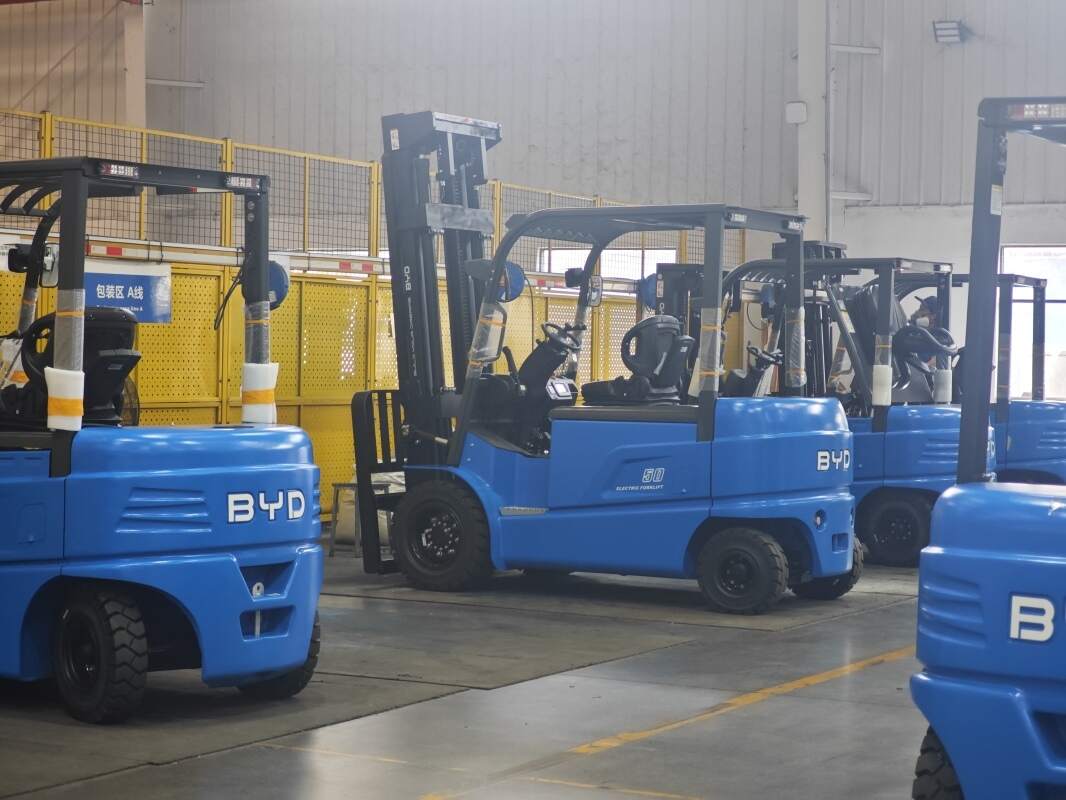
As the core material handling equipment in modern warehouse, logistics and manufacturing scenarios, electric forklifts have been widely adopted by different industries in recent years. Mastering its basic performance characteristics, operation rules and maintenance skills reasonably can help operators give full play to the working performance of the equipment, reduce unnecessary component wear, and control the long-term operation cost of the handling system.
Core Application Advantages of Electric Forklifts
Compared with internal combustion counterparts, electric forklifts produce no exhaust emissions during the whole working process, which can meet the environmental protection access requirements of closed indoor working scenes such as food storage, pharmaceutical warehouses and precision finished product workshops. The noise generated during normal operation is at a relatively low level, which can reduce noise interference to surrounding staff and maintain a more comfortable working environment for long-term operation personnel. Its power output can be adjusted more smoothly, which can reduce the shaking amplitude of goods during high-frequency handling, and lower the risk of damage to fragile or precision packaged items.
Standardized Operation Specifications for Daily Use
Before the formal operation of each shift, operators need to check the remaining power of the power unit, the flexibility of the steering system, the sensitivity of the braking device and the integrity of the lifting structure first. During the driving process, the driving speed should be adjusted according to the on-site road conditions and crowd density, avoid frequent sudden acceleration and sharp braking, and keep a sufficient safe distance from surrounding personnel and high stacked goods. When carrying out loading and unloading operation, the total weight of the loaded goods should not exceed the rated load range of the equipment, keep the goods stably placed in the center of the forks, and avoid long-term partial load that causes potential side roll risk.
Routine Maintenance Points to Extend Service Life
After the daily operation is completed, operators need to clean the dust and debris attached to the surface of the equipment in time, focus on checking the working status of the power connection interface, keep the interface dry and clean to avoid poor power contact. Arrange regular professional inspection for the power system, walking structure and hydraulic lifting device according to the actual working frequency, replace the aging lubricating oil and worn spare parts in the specified cycle, which can effectively reduce the unexpected failure rate in the subsequent working process.


