
 English
 简体中文
简体中文 Français
 Português
 Español
 لالعربية

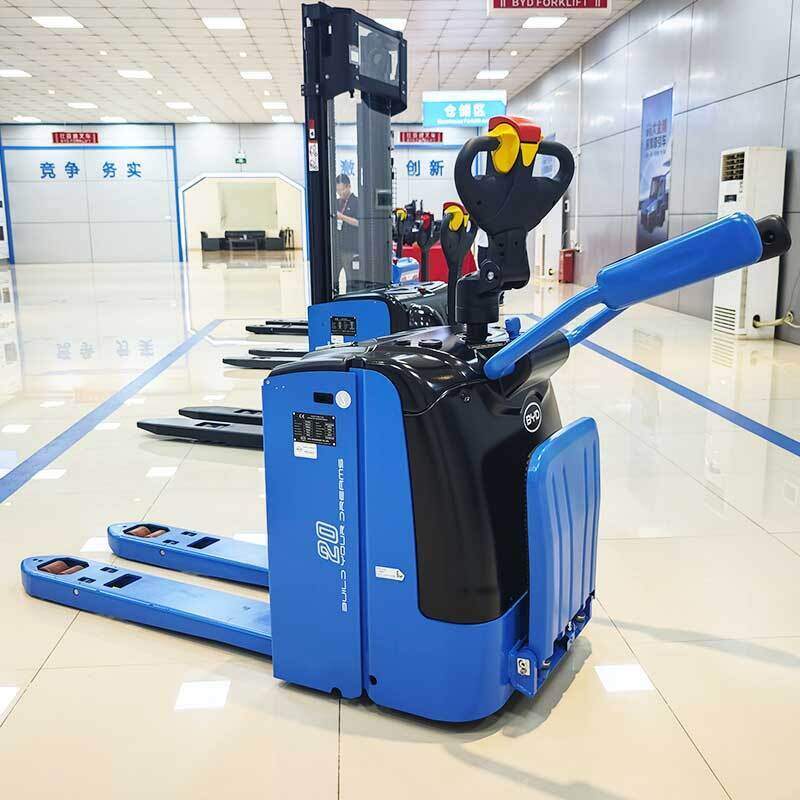
Electric forklifts have become one of the most widely applied material handling equipment in modern warehouse, manufacturing and logistics scenarios, thanks to their low noise, zero local emissions and flexible operating features. To give full play to the equipment’s performance while avoiding unnecessary wear and potential safety hazards, operators need to follow standardized use and maintenance rules throughout the whole service cycle.
Core Pre-Operation Check Specifications
Before starting any shift operation, operators need to complete a full range of inspections according to the formulated process, rather than directly starting the equipment for handling tasks. The check scope covers the tire pressure and surface wear condition of each wheel, the flexibility of the lifting fork and gantry moving structure, the sensitivity of the braking system and steering system, the remaining power level of the power unit, as well as the normal work status of all warning lights. If any abnormal symptom is found during the check, operators need to report the situation to the management team in time, and carry out troubleshooting before putting the equipment into use, to avoid accidental faults occurring in the operation process.
Standardized On-Site Operation Rules
During the operation process, operators should keep their sight aligned with the advancing direction of the forklift, and control the driving speed within the safe range matching the site condition, especially when turning, passing through aisles with personnel activity, and carrying stacked heavy cargos. When lifting the cargo, it is necessary to keep the center of gravity of the load within the allowable range marked on the equipment nameplate, and avoid sudden acceleration, sudden braking or sharp turn actions that may cause the cargo to slide and fall. Operators are also required to avoid overloading the equipment for a long time, which may cause irreversible damage to the load-bearing structure and power system.
Scientific Daily Maintenance Arrangement
After the daily operation task is completed, operators need to park the electric forklift at the designated parking position, lower the lifting fork to a position close to the ground, cut off the main power supply, and clean up the dust, residual cargo debris and other attachments on the equipment surface. Regularly arranged professional maintenance should focus on the cleaning of the power unit interface, the lubrication of all movable connection parts, the calibration of the braking sensitivity, and the inspection of the circuit aging status. Such regular maintenance work can effectively reduce the probability of sudden faults, and extend the overall service life of the equipment to a reasonable extent.
Following these practical guidelines can help enterprises create a safer working environment for material handling, reduce unnecessary operating cost input, and improve the overall operation efficiency of the warehouse operation system.


