
 English
 简体中文
简体中文 Français
 Português
 Español
 لالعربية

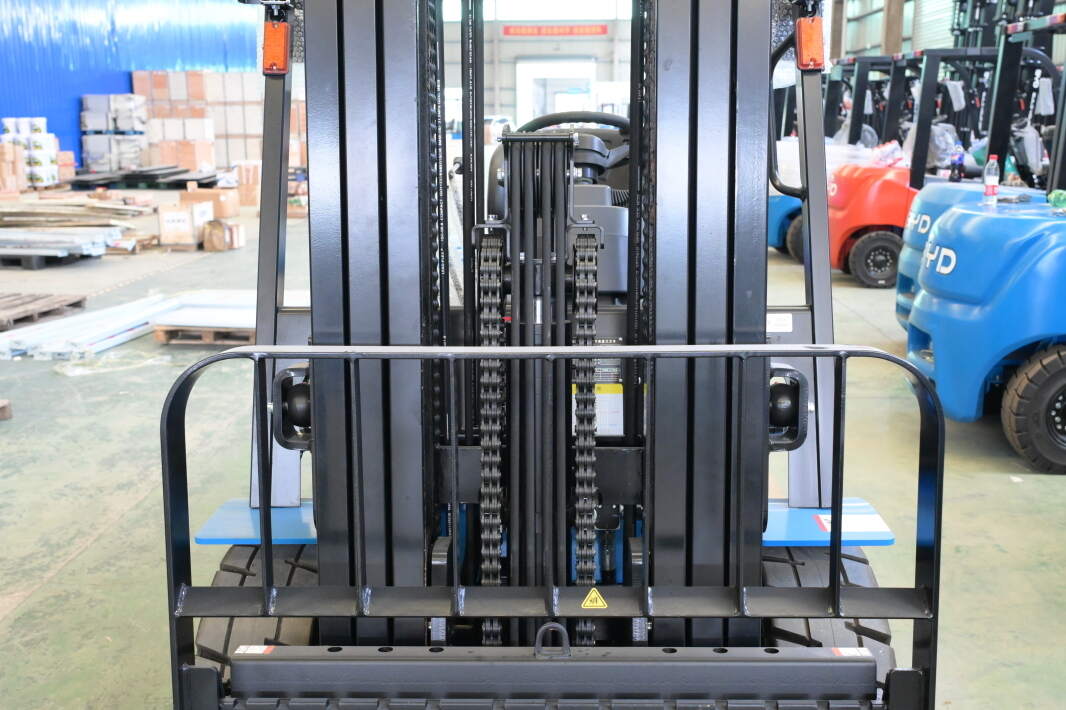
With the continuous upgrading of modern warehousing and logistics scenarios, electric forklifts have become one of the most widely used material handling equipment in indoor operation environments, as many frontline operation managers have gradually realized that standardized use and targeted management can bring more stable operation returns to daily transfer and stacking work.
Core Performance Characteristics of Electric Forklifts for Daily Scenarios
Unlike internal combustion powered counterparts, electric forklifts produce no exhaust emissions during operation, which makes them more suitable for closed indoor spaces such as distribution centers, pharmaceutical storage workshops and food processing zones. Most of the current mainstream models adopt optimized noise reduction designs, which can effectively reduce sound interference to surrounding staff during long hours of continuous operation. Their reasonable weight distribution structure also helps operators complete goods stacking, short-distance transfer and high-position picking work with relatively stable operating posture.
Standardized Daily Operation Guidelines
Before starting each shift of operation, operators need to complete a quick pre-check process, including confirming the remaining power level, checking the flexibility of lifting and steering components, and verifying the normal work of all safety alarm devices. During the operation process, it is not recommended to carry loads that exceed the rated load range for a long time, and keep the running speed at a safe level according to the on-site road condition and personnel density. When the equipment is running on ramps, the operator should keep the load facing the upper direction of the slope to avoid accidental slipping of goods.
Routine Maintenance Practices to Reduce Operational Wear
Daily maintenance work mainly focuses on three core parts: power system, transmission parts and appearance components. For the power system, operators should avoid using up all the power before charging, and arrange the charging process in a well-ventilated space that meets relevant safety specifications. For the transmission and moving components, regular cleaning of accumulated dust and debris, and applying proper amount of lubricant as required can reduce abnormal wear caused by long-term friction. After finishing each shift, operators should park the equipment in the designated area, lower the lifting fork to the lowest position, and cut off the total power supply to avoid unnecessary power consumption.
Necessary Safety Management Measures
Operation teams can arrange regular skill sharing sessions for operators, to help all personnel master correct operation response methods under different special scenarios. It is also recommended to set up regular inspection cycles for the equipment, to find hidden abnormal conditions in time before they develop into larger failures. These measures can help the whole team get more stable operation efficiency in long term material handling work.


