
 English
 简体中文
简体中文 Français
 Português
 Español
 لالعربية

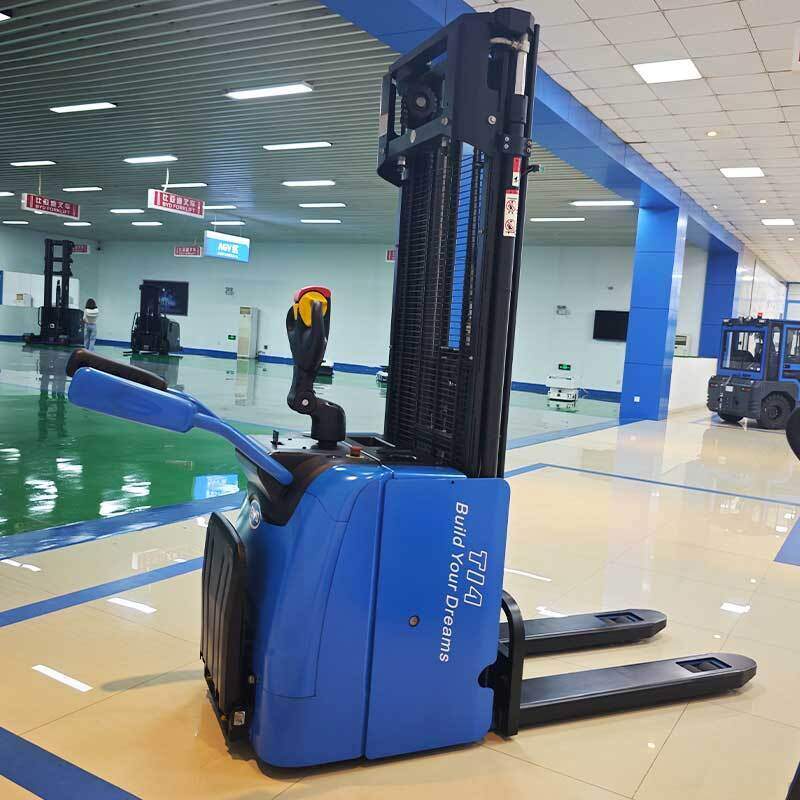
Against the background of continuous upgrading of the global logistics industry, electric forklifts have gradually become one of the most widely used material handling equipment in closed operation scenarios such as modern warehouses, manufacturing workshops and cold storage, due to their notable environmental and economic properties. Unlike traditional internal combustion powered handling equipment, electric forklifts operate in a more stable and low-noise state, which can better adapt to the increasingly strict operation environment requirements of current industrial sites.
Core Advantages of Electric Forklifts in Daily Operations
In terms of actual operation, electric forklifts produce no exhaust emissions on site, which avoids the need for special waste gas discharge treatment measures in enclosed spaces, and is highly compatible with industries that have strict requirements for air cleanliness such as food processing, pharmaceutical production and electronic component manufacturing. The average operating noise of standard electric forklifts is far lower than that of internal combustion models, which can reduce the noise interference to on-site operators and help improve the overall comfort of long-time continuous operation. In terms of operating cost, the energy consumption cost per unit running time of electric forklifts is generally lower than the fuel cost of similar internal combustion equipment, which helps control the long-term operating expenditure of the material handling link.
Routine Maintenance Guidelines to Extend Service Life
Standardized daily maintenance is an important basis to ensure the stable performance of electric forklifts in long-term use. After each operation shift, operators should check the cleanliness of the battery interface, avoid liquid accumulation on the battery surface, and follow the standard charging specifications to avoid excessive charging or deep discharge which may cause damage to the battery pack. Before each start of operation, a short walk-around inspection should be carried out to check the wear degree of the fork, the sensitivity of the braking system and the flexibility of the steering structure, and timely report any abnormal signs found to the maintenance personnel for treatment. It is not recommended to carry loads beyond the rated load for a long time, which can effectively reduce the wear of the power system and the transmission structure.
Scenario Matching Tips to Improve Operational Efficiency
In actual application, enterprises can select the corresponding configuration of electric forklifts according to their own operation scenarios. For narrow aisle storage scenarios, models with small turning radius can be selected to make full use of the limited storage space. For high-frequency continuous operation scenarios, users can configure spare battery packs to realize rapid power replacement, so as to reduce the waiting time caused by charging. Reasonably planning the operation route, reducing unnecessary long-distance no-load driving, can further reduce energy consumption and improve the throughput of the whole material handling system. As a mature green logistics handling equipment, the performance of electric forklifts can be fully exerted through standardized operation and reasonable matching, which can bring stable value to the daily operation of industrial and warehousing scenarios.


