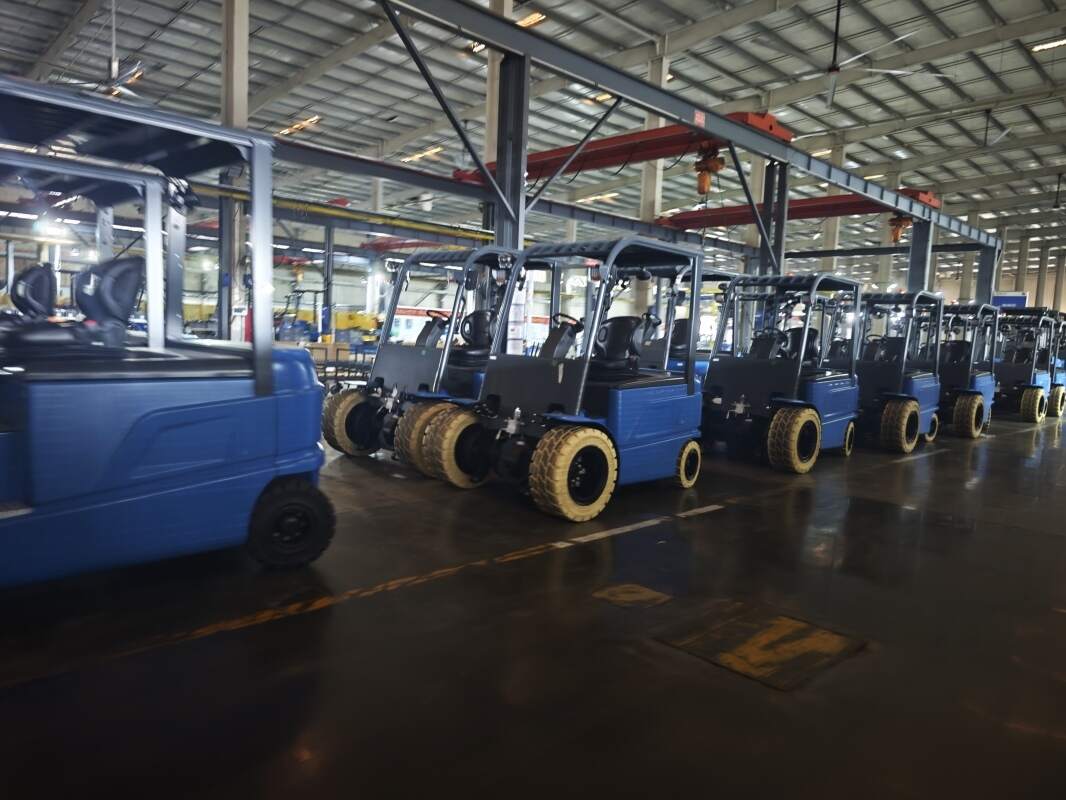
For material handling enterprises, independent warehouse operators, and regional logistics service providers operating in Bogotá, calculating the total cost of ownership (TCO) of four-wheel forklifts is a core step to optimize long-term operational budget, rather than only focusing on one-time purchase expenditure at the initial procurement stage. A complete TCO accounting system can help managers avoid hidden expenditure that is easily overlooked in daily operation, so as to arrange the material handling fleet investment more reasonably.
The standard TCO framework for four-wheel forklifts in local market covers three core segments: initial acquisition cost, long-term daily operation expenditure, and post-maintenance and residual value settlement cost. For the initial acquisition part, the full expenditure includes not only the equipment purchase price, but also local import declaration fee, last-mile transportation fee and on-site commissioning service charge, which is different from the nominal public sticker price. Enterprises can also take local industrial operation subsidy policies for new energy equipment into full consideration at this stage, to appropriately reduce the upfront input of the fleet upgrade.
For the daily operation part, four-wheel electric forklifts present stable cost advantage compared with traditional internal combustion counterparts in Bogotá, where the industrial electricity price stays at a relatively steady level all year round, avoiding the frequent fluctuation of fossil fuel price in the regional market. The daily energy consumption cost per working hour of standard new energy four-wheel forklift is far lower than the fuel cost of similar capacity traditional equipment, and it does not need regular engine oil replacement, filter maintenance and other routine procedures required for internal combustion models, which cuts down a large portion of labor and spare parts cost in long-term operation.
For common operational scenarios across Bogotá, including port adjacent storage areas, urban distribution warehouses, and local manufacturing plant logistics zones, four-wheel forklifts usually need to work for 6 to 8 hours per shift on average. The long-term accumulated operation cost difference will reach a considerable amount after 3 to 5 years of continuous use of the equipment.
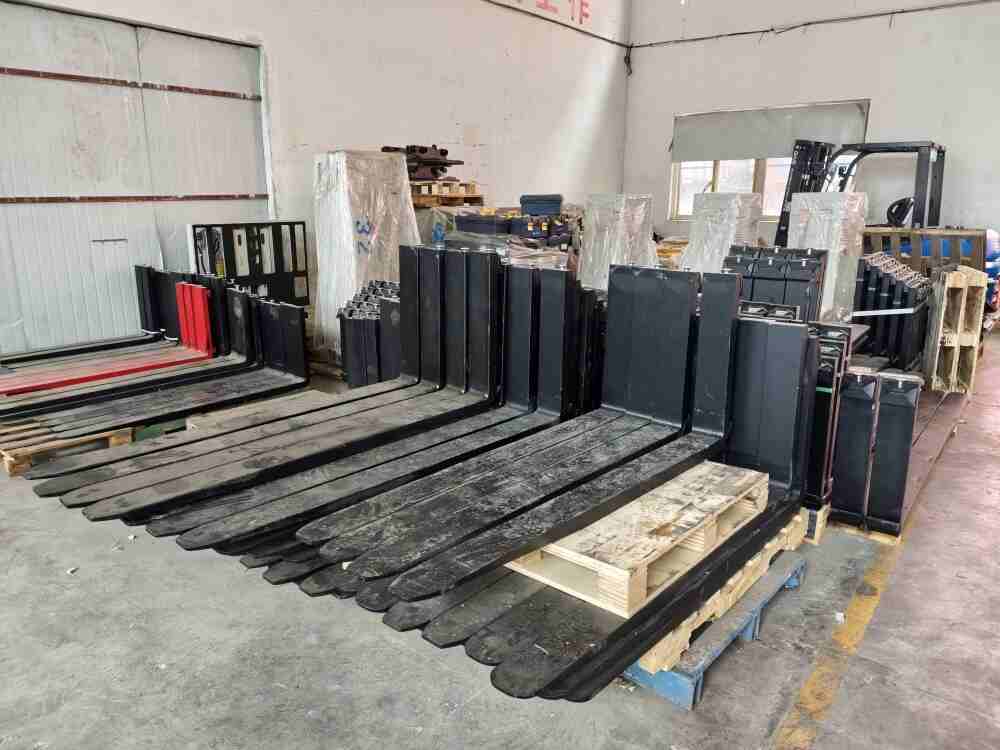
As a professional new energy forklift service provider focusing on electric forklift products, we are 尖树新能源. For enterprises that need customized TCO calculation report tailored for actual local material handling demand, you can contact our professional team via [email protected] to get targeted support for your fleet decision making.