
 English
 简体中文
 Français
 Português
 Español
 لالعربية


As logistics hubs pursue stable, low-carbon and cost-effective operation in recent years, deploying lithium forklifts has become a core adjustment for many operation teams to optimize material handling efficiency. Reasonable pre-planning can avoid mismatches between equipment performance and actual operation scenarios, maximize the value of new energy handling equipment, and lay a solid foundation for long-term smooth operation of the site.
The first step of planning is to complete a full investigation of on-site operation scenarios. You need to sort out core operation data including average daily working hours of handling equipment, maximum required lifting height, average load weight of goods, proportion of ramp sections in the driving route, width of operation aisles and daily cargo throughput. These data can help you select models with appropriate parameters, avoid excess performance that causes unnecessary cost waste, and prevent insufficient performance that cannot meet peak operation demands. You can also interview frontline forklift operators to collect feedback on the pain points of original handling equipment, to make the planning scheme more in line with actual operation habits.
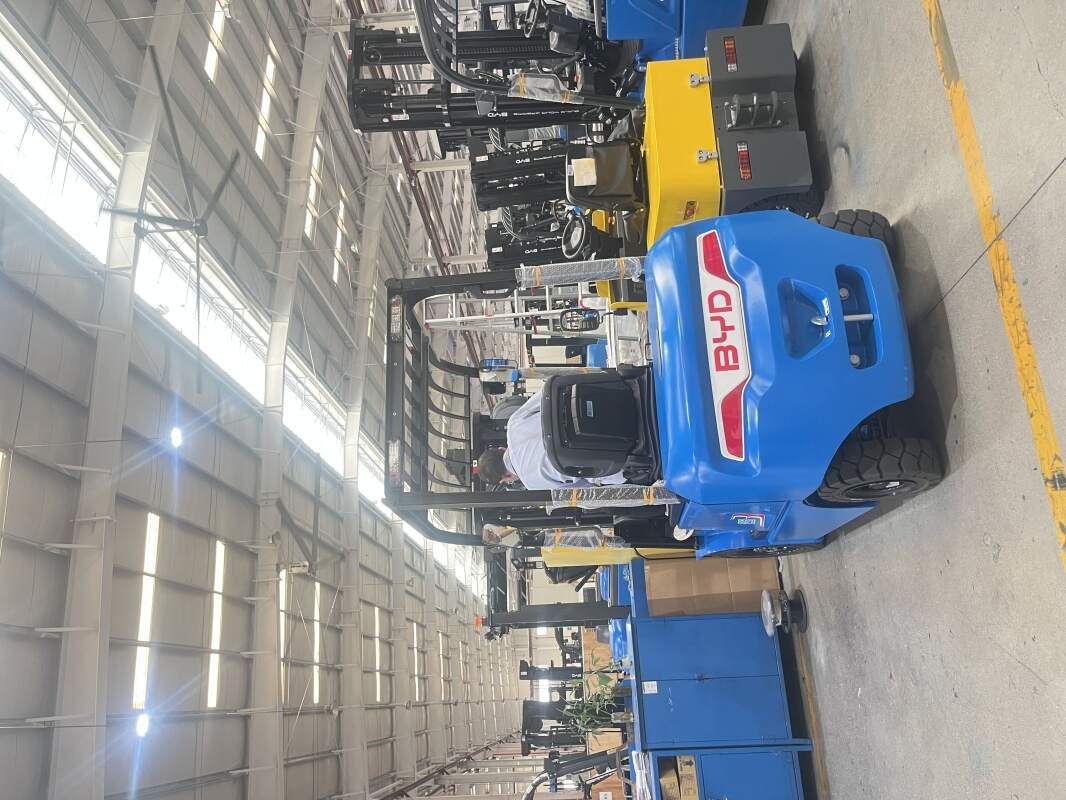
The second step is to complete the full lifecycle cost accounting. Different from traditional fuel handling equipment, lithium forklifts have no exhaust emission, and the energy consumption cost per unit of operation is relatively lower. Its daily maintenance work does not involve complicated engine oil replacement, filter element maintenance and other procedures, which reduces the downtime caused by regular maintenance, and can also meet the green logistics assessment requirements of many ports, industrial parks and e-commerce industrial zones. You can compare the total expenditure of equipment procurement, energy consumption, maintenance and site transformation in the next 3 to 5 years, to clarify the reasonable investment budget for the whole deployment project.
The third step is to make reasonable planning for supporting facilities. You can set up a moderate number of fast charging points in the idle area near the operation core area, no need to reserve extra special storage space for spare batteries, which can save the valuable site area of the logistics hub. You can also arrange simple operation and maintenance training for the on-site operation team, popularize the standard operation specifications of lithium forklift charging and daily spot check, to ensure that the equipment can maintain a good operating state for a long time. For sites with future expansion plans, you can also reserve a certain number of reserved charging interfaces to adapt to the subsequent increase of equipment quantity.
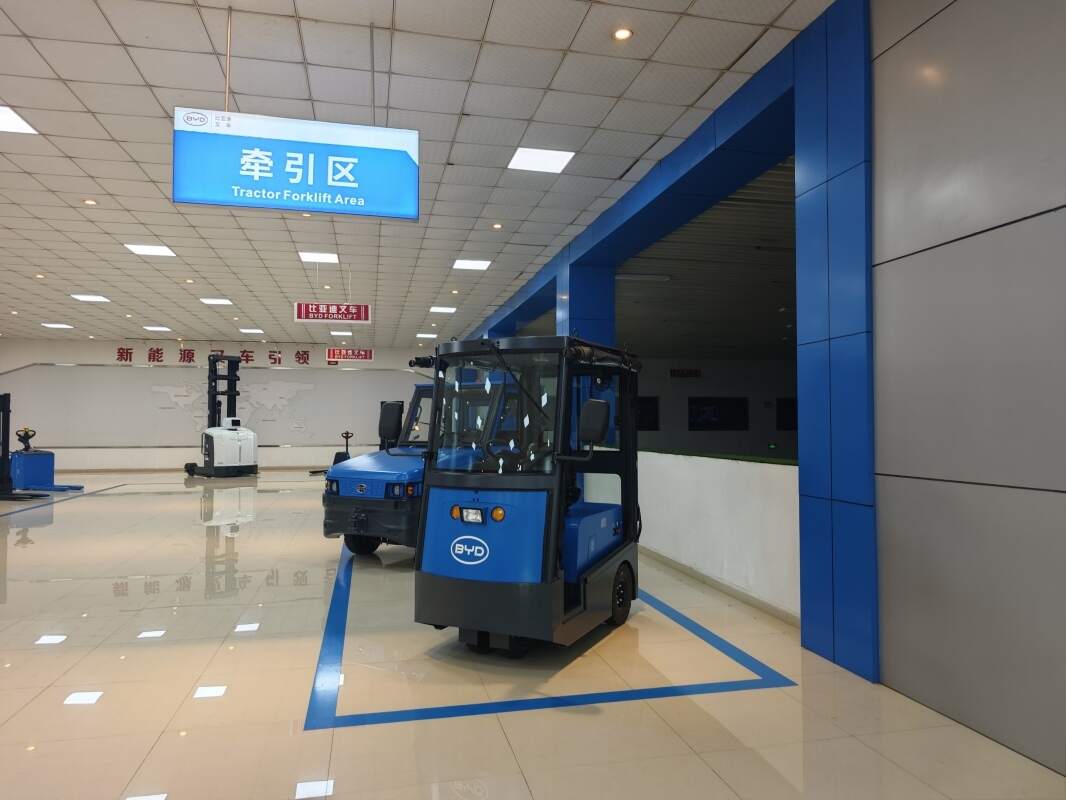
If you need professional customized planning support for lithium forklift deployment, Jianshu New Energy, which focuses on BYD electric forklifts, can provide you with whole-process targeted scheme matching according to your actual site situation, you can send your specific demands to [email protected] for further communication.


