
 English
 简体中文
简体中文 Français
 Português
 Español
 لالعربية

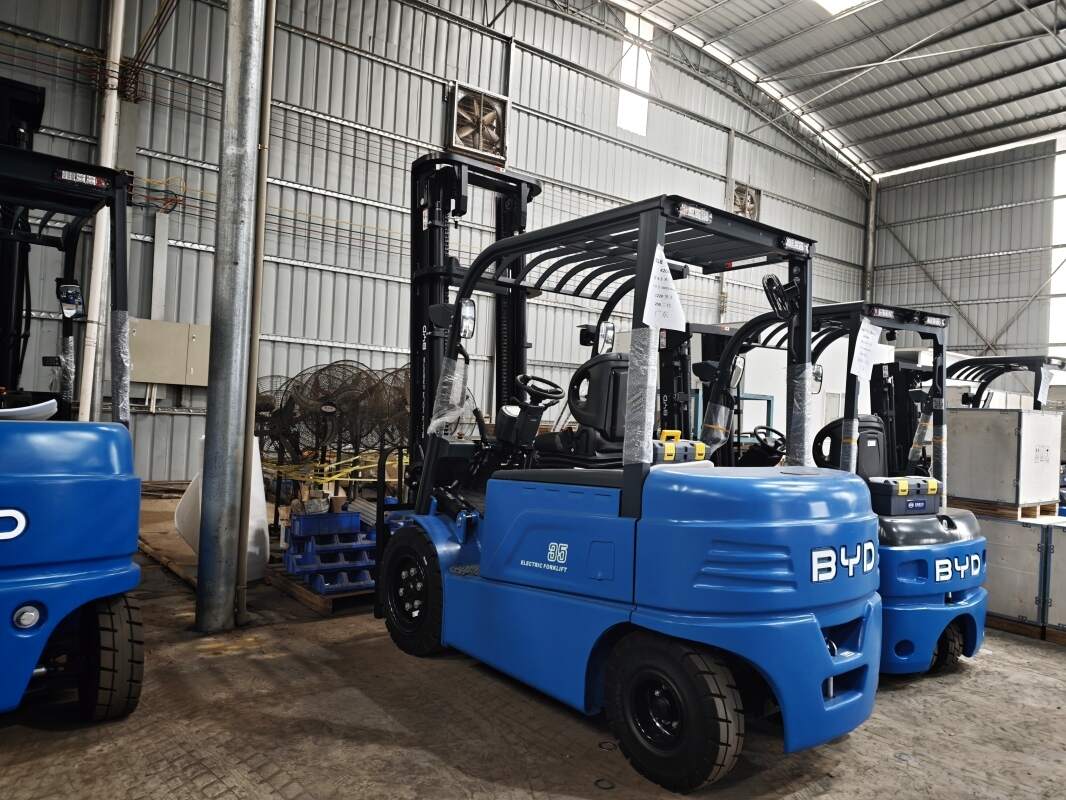
As modern warehouse operations continue to pursue higher operation stability, lower maintenance cost and better on-site working experience, electric forklift tire, as the core component directly contacting with warehouse floors, has witnessed targeted technological innovations in recent years that fully adapt to diversified warehouse usage scenarios.
The first major optimization focuses on multi-scenario adaptability to different warehouse floor materials. The newly developed composite rubber formula balances proper hardness and flexibility, delivering stable and consistent grip performance on all common warehouse floor surfaces including epoxy coating, polished concrete and anti-slip industrial flooring. The non-marking property of the tire prevents permanent indentation even after long-time static load placement, and avoids leaving hard-to-clean stains or accidental scratches on the finished warehouse floor, effectively cutting down extra floor maintenance cost for warehouse operators.
The second key innovation targets vibration and noise control, which is highly valued in indoor closed warehouse environments. The new tire structure adds evenly distributed buffered micro pores inside the tire body, rather than relying on extra external shock absorption accessories. This design reduces the vibration transferred from the ground to the forklift body during frequent low-speed steering and short-distance moving operations, lowering the long-term fatigue of on-site operators. The reduced operation noise also meets the management requirements of special warehouse scenarios such as pharmaceutical clean warehouses and low-noise sensitive cold chain storage zones.
The third upgrade focuses on long-term usage performance optimization. The newly designed variable-pitch tread pattern reduces partial excessive wear caused by repeated walking on fixed routes, extending the overall service life of the tire under regular operation conditions. The optimized thermal conductivity of the tire body prevents abnormal temperature rise even during 8 hours of continuous heavy load operation, reducing the frequency of regular inspection and unnecessary tire replacement. These technological iterations also match well with the power output characteristics of electric forklifts, and improve the operation stability of automated guided forklifts in smart warehouses, avoiding position deviation caused by accidental tire slip to support smooth, continuous daily cargo turnover.


