English
 简体中文
 Français
 Português
 Español
 لالعربية


Walvis Bay, as the core hub port of Namibia and an important transit node for Southwest Africa's cargo transportation, has sustained high demand for heavy-load material handling in recent years. For local logistics enterprises, port operation teams and mining and manufacturing users, the hourly operating cost of heavy-duty forklifts has always been a core indicator that affects overall operation budgeting.
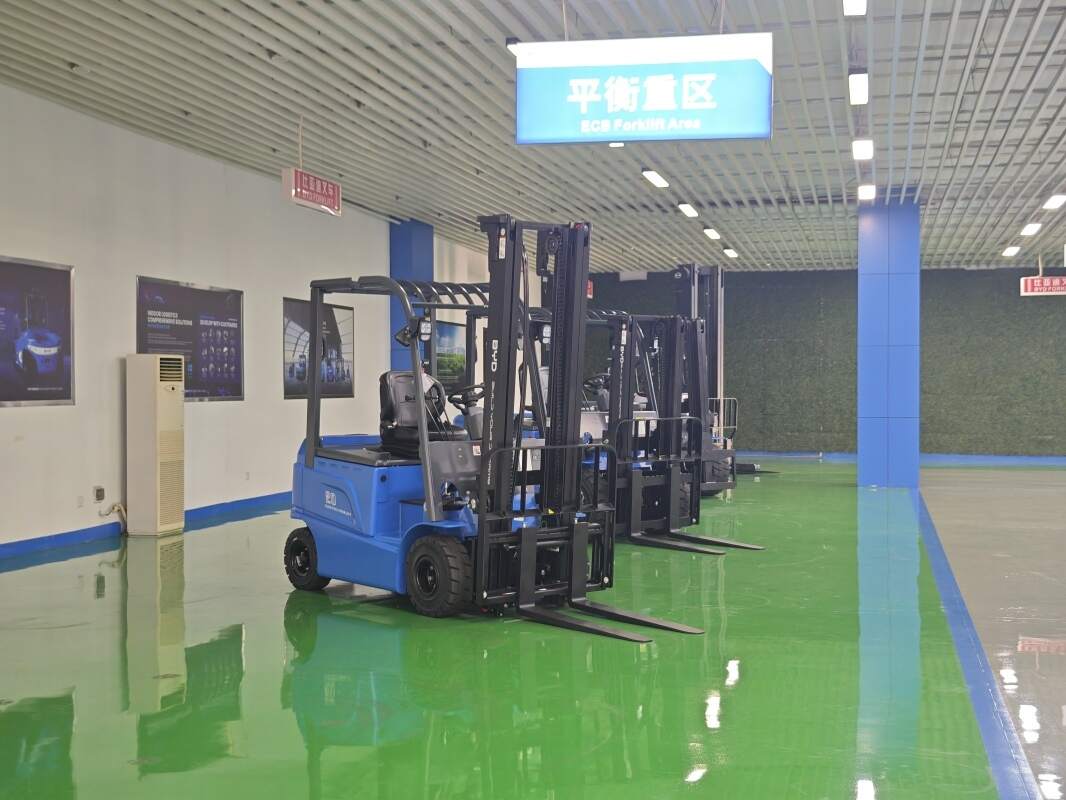
When it comes to the energy cost per hour of heavy-duty electric forklifts in local actual operation scenarios, the data is far more favorable than many users expected. Combined with the local public grid electricity price standard and the actual operating data of heavy-duty electric forklifts under full load, continuous cargo handling conditions, the hourly energy consumption cost stays at a reasonable level far lower than that of traditional internal combustion forklifts of the same load level. Even in high-intensity operation scenarios such as container handling, stacked cargo loading and unloading, and long-distance material transfer inside the port, the fluctuation range of hourly energy cost remains controllable, and there is no extra hidden cost caused by fuel price fluctuation.
In addition to the direct energy cost advantage, heavy-duty electric forklifts also have no extra consumption related to engine oil replacement, filter element maintenance and exhaust system testing, which further reduces the comprehensive hourly operating cost. Jian Shu New Energy, as a professional service provider focusing on BYD electric forklifts, has accumulated sufficient operation data for local working conditions in Walvis Bay, and can provide users with customized energy consumption budget formulation, operation efficiency optimization and other professional supporting services. If you need to obtain a targeted operation cost analysis report for your actual working conditions, you can send your specific demand to [email protected], and our professional team will reply to you within 2 working days.