
 English
 简体中文
 Français
 Português
 Español
 لالعربية


Lithium-ion powered forklifts are now widely applied in various material handling scenarios from retail warehouses to manufacturing workshops. Before you select or operate this type of equipment, the following 6 practical points can help you make better use of its performance and get stable operating experience.
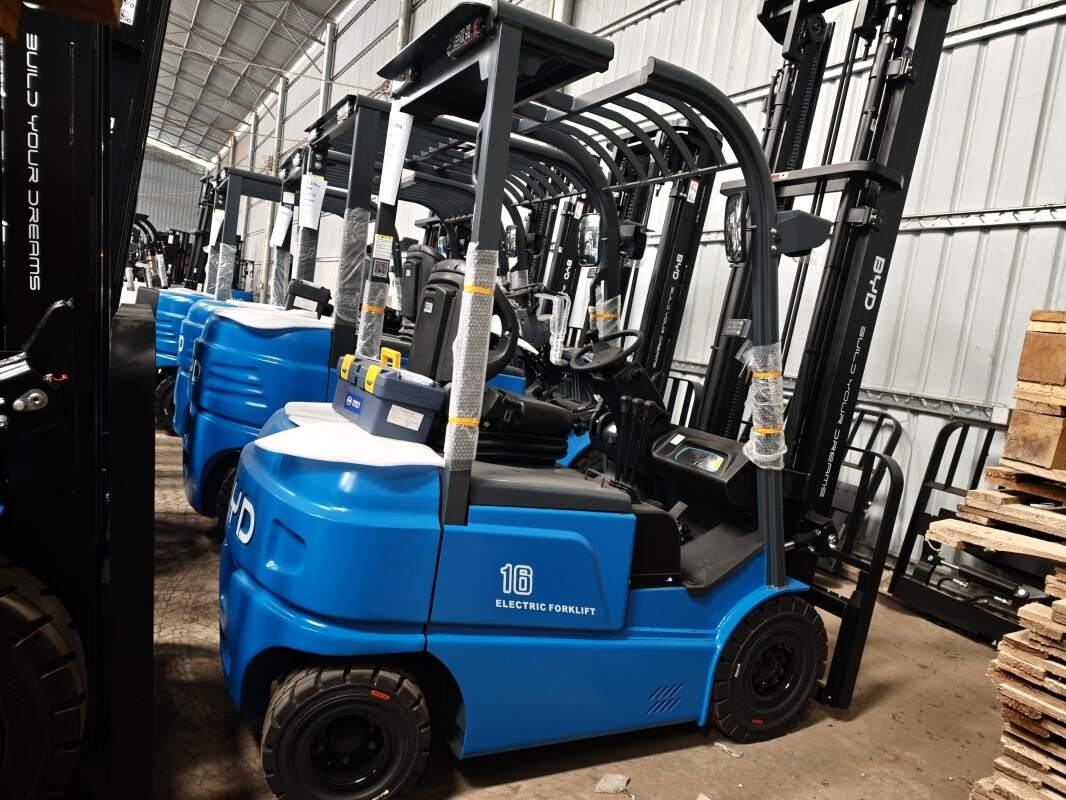
The first point is about its energy efficiency characteristics. Compared with traditional lead-acid powered counterparts, lithium-ion forklifts have higher energy conversion efficiency in normal operating conditions, which can reduce unnecessary energy consumption in daily use. Users do not need to carry out regular water replenishment work for the battery module under standard usage norms.
The second point relates to its scenario adaptability. Most standard lithium-ion forklift products can maintain stable operation in common indoor warehouse environments, and can also adapt to medium and low temperature working conditions in a reasonable temperature range, to meet the operation demands of different industries.
The third point is about basic operation safety specifications. Operators should avoid exposing the lithium-ion battery module to long-term humid, high temperature or direct strong sunlight environment, and avoid any hard collision or puncture to the battery casing, to keep the equipment in safe working state.
The fourth point covers reasonable charging habits. There is no need to fully discharge the lithium-ion battery before charging, users can arrange flexible charging according to their own work shifts, which can better match the high-frequency turnover demand of multi-shift warehouse operation.
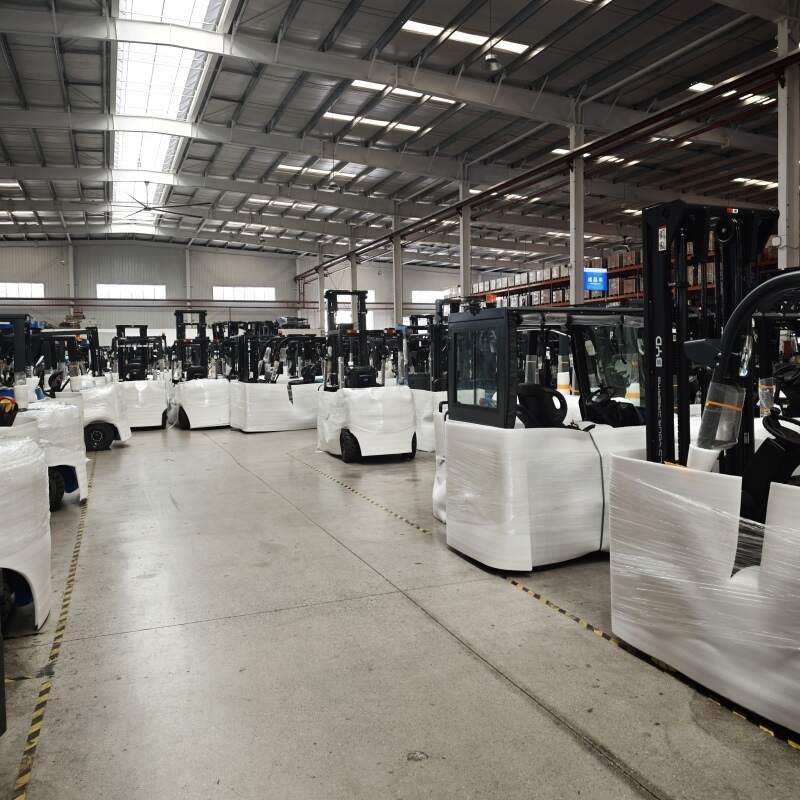
The fifth point refers to its full lifecycle operation cost. With standardized daily operation and regular check, the lithium-ion battery of the forklift can support long-term stable use, the comprehensive cost of the whole using cycle is relatively balanced compared with other types of power forklifts.
The sixth point is about daily maintenance arrangements. Unlike traditional lead-acid forklifts that need regular electrolyte inspection, lithium-ion forklifts only need regular check of the battery wiring harness, casing integrity and connection status, which reduces the daily maintenance workload for the management team.
If you need more professional service and support for lithium-ion electric forklifts, we are Jian Shu New Energy, focusing on BYD electric forklift related solutions, you can contact us via the email address [email protected] for further consultation.


