
 English
 简体中文
 Français
 Português
 Español
 لالعربية


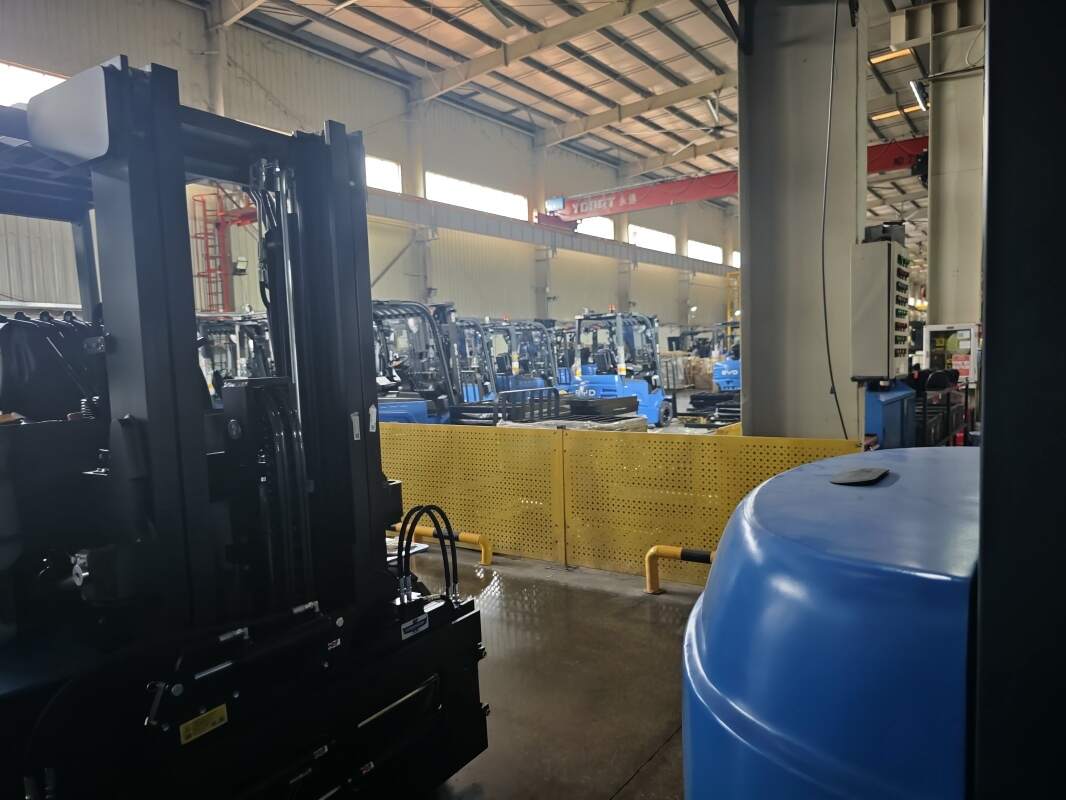
As the logistics and warehousing industry gradually shifts to low-carbon, high-efficiency operation modes, electric forklifts have become one of the most widely used material handling equipment in various industrial scenarios. Mastering correct operation and management methods can help enterprises give full play to the value of such equipment in daily production.
Core Operational Advantages of Modern Electric Forklifts
Compared with traditional internal combustion handling equipment, standard electric forklifts produce no tail gas emission during operation, which is more suitable for closed and semi-closed working spaces such as indoor warehouses, cold storage and food processing workshops. The overall noise level of running equipment is also kept at a relatively low range, which can reduce the long-term hearing pressure of on-site operators and avoid disturbing other production links in adjacent working areas. The energy cost per unit running hour of qualified electric forklifts is usually lower than that of fuel-powered counterparts, which helps to control the daily operation expenditure of warehouse projects steadily.
Key Daily Maintenance Protocols to Extend Service Life
Regular daily inspection is the core link to keep electric forklifts in good running condition. Operators can check the power connection state, tire wear degree and brake sensitivity before each shift, and timely remove dust and debris accumulated on the surface of the walking motor and hydraulic system. It is recommended to follow the official operation specification to complete the charging process in a well-ventilated environment, avoid over-discharging the power unit for a long time, and arrange professional personnel to complete the regular calibration of the lifting system every fixed cycle. These simple and executable operations can effectively reduce the probability of sudden equipment failure in peak working hours.
Scenario Adaptation Tips for Higher Work Efficiency
When using electric forklifts in special working scenarios such as ramp passages, low-temperature cold storage or narrow aisle spaces, operators can adjust the running speed and load weight limit according to actual environment parameters, so as to avoid extra loss of key components caused by mismatched operation modes. For long-time continuous operation requirements, enterprises can arrange reasonable shift scheduling and supporting energy replenishment facilities to ensure smooth transfer of handling tasks without unnecessary downtime.


