
 English
 简体中文
简体中文 Français
 Português
 Español
 لالعربية

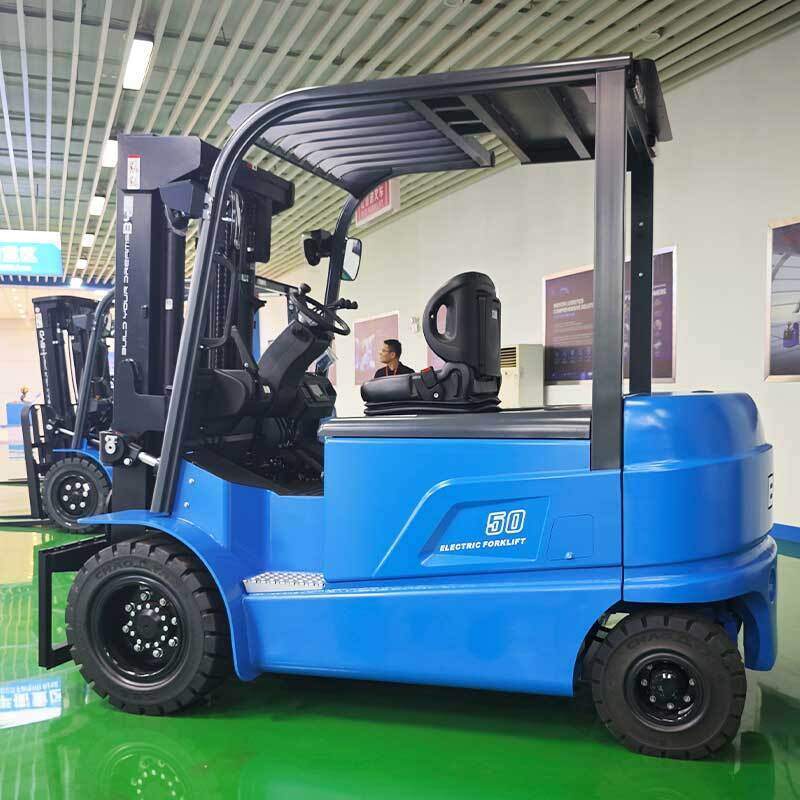
As the modern warehousing and logistics industry continuously pursues low-carbon, safe and efficient operation modes, electric forklifts have become one of the most widely used material handling equipment in various industrial scenarios. Mastering systematic professional knowledge of electric forklifts can help relevant practitioners fully utilize the use value of such equipment, and create more stable operation benefits for daily material handling work.
Core Functional Advantages of Modern Electric Forklifts
Different from traditional internal combustion powered handling equipment, standard qualified electric forklifts are driven by on-board battery packs, which produce no exhaust emissions during the whole operation process, and can meet the environmental protection access requirements of enclosed spaces such as indoor warehouses, food processing workshops and cold storage areas. The overall operation noise of electric forklifts is kept at a relatively low level, which will not cause excessive noise interference to surrounding operators and working scenes that require quiet environmental conditions. The power output adjustment of electric forklifts is more continuous and stable, and the response of the hydraulic lifting system and walking system is smooth, which can reduce the damage probability to transported fragile goods to a certain extent during daily operation.
Key Points of Electric Forklift Daily Routine Maintenance
Standardized daily maintenance work is the core premise to ensure the stable operation of electric forklifts in long-term service cycles. Operators need to check the surface condition of the battery pack, the tightness of the connecting wiring harness and the residual power level before starting the equipment every shift, and avoid long-term over-discharge operation that may cause irreversible impact on the battery performance. It is also necessary to regularly check the wear degree of driving wheels, the response sensitivity of the braking system, and the lubrication state of the hinge points of the gantry structure, and arrange targeted maintenance operations in time when abnormal signs are found, which can effectively reduce the frequency of unexpected failures in the working process. Operators should also follow official operation guidance to complete charging works, and avoid improper charging behaviors that affect the overall service life of the power system.
Scene Adaptation and Operation Optimization Tips
In actual daily operation, operators can adjust the operation strategy of electric forklifts according to different working scenarios. For lightweight and short-distance handling tasks in narrow small storage spaces, appropriately reducing the driving speed can improve the operation safety and reduce unnecessary extra power consumption. For high-intensity continuous handling scenarios with heavy load, arranging proper rest and power supplement intervals according to the actual load weight can maintain the stable output state of the equipment. Reasonable matching of equipment operation modes and actual work demands can give full play to the comprehensive advantages of electric forklifts in energy saving, operation cost control and work efficiency improvement.


