
 English
 简体中文
 Français
 Português
 Español
 لالعربية


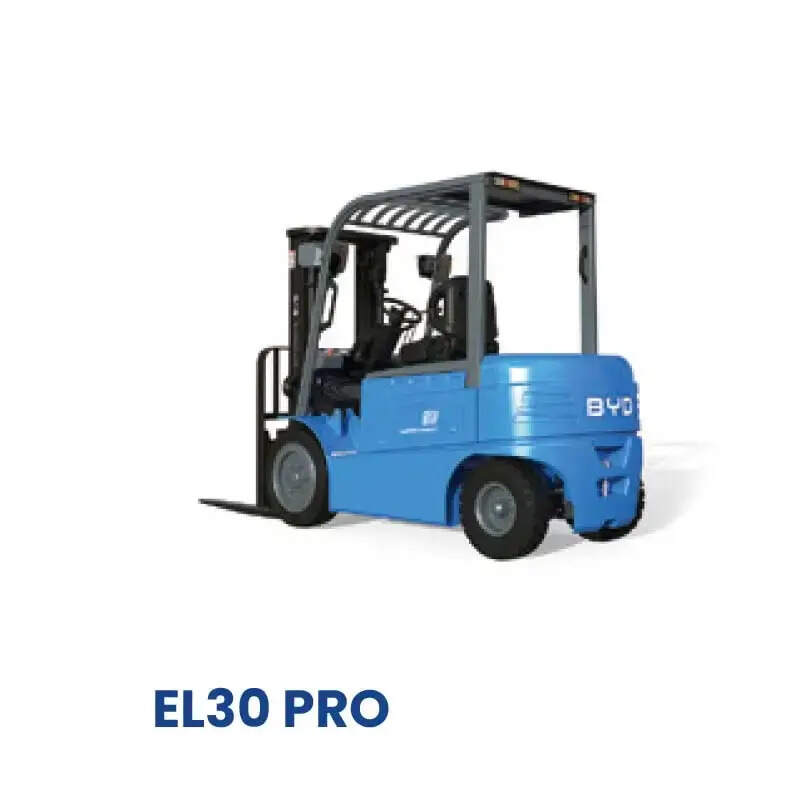
Against the backdrop of global low-carbon operation transformation, electric forklifts have become one of the most widely adopted material handling equipment in modern closed warehouses, cold storage and light industrial production scenarios. Compared with traditional internal combustion handling equipment, electric forklifts produce no exhaust emission during operation, and bring lower noise interference to surrounding working environment, which fits the health and safety requirements of on-site operators.
Core Advantages of Modern Electric Forklifts
The powertrain of mainstream electric forklifts outputs torque smoothly, which brings more stable operation status when lifting or placing heavy cargos. Most compact models are designed with small turning radius, which can pass through narrow warehouse channels flexibly without colliding with side storage racks. The overall operation cost of electric forklifts in long-term use is controlled at a relatively reasonable level, no frequent fuel supply or complex oil circuit maintenance work is needed for daily use.
Daily Operation Best Practices
All operators need to complete systematic pre-job training before formally driving the equipment. Before each shift, operators should check the performance of braking system, warning light, power display and lifting structure to confirm there is no obvious abnormal status. All operation activities should be carried out within the rated load range of the equipment, it is not recommended to carry out long-time heavy load climbing operation. When turning in narrow aisles, operators should send out warning signals in advance to avoid collision with passing staff or temporary stacked cargos.
Routine Maintenance Tips to Extend Service Life
Operators should check the connection status of battery terminals and electrolyte level regularly, to avoid overcharge or over discharge behavior that may shorten the whole service life of the battery pack. It is necessary to clear the sundries attached to the surface of walking wheels and pallet forks periodically, and check the sealing performance of hydraulic lifting system at fixed intervals, to avoid leakage of hydraulic oil that may influence the stability of cargo lifting. All maintenance records should be filed properly, which can help technicians locate potential hidden troubles quickly in subsequent inspection.
Scenario-based Performance Adjustment Suggestions
For low temperature working scenarios, operators can activate the pre-heating function of the battery pack before formal operation, to keep the power output at stable status. For working scenarios with high-position storage racks, users can adjust the lifting speed of pallet forks to a proper level, to further guarantee the operation safety. For high-frequency continuous operation scenarios, enterprises can arrange reasonable shift rotation and battery charging plans, to maintain relatively steady material handling efficiency in long working shifts. Proper use and maintenance can help enterprises give full play to the value of electric forklifts, and optimize the whole material handling workflow of the warehouse.


