
 English
 简体中文
简体中文 Русский
 Français
 Español
 لالعربية

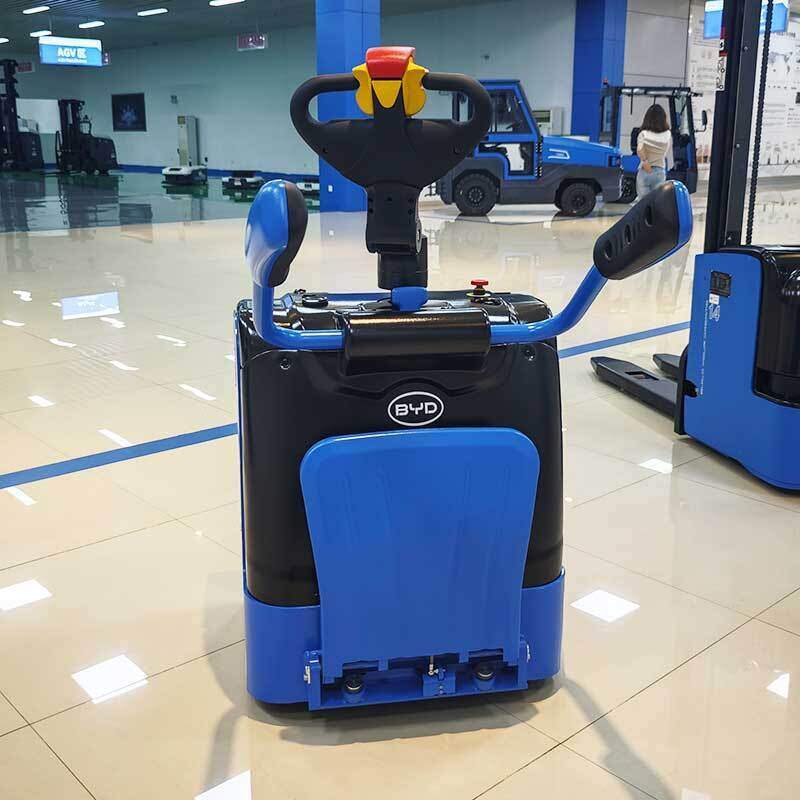
As the global warehousing and industrial logistics sector accelerates the transformation to low-carbon, cost-controlled operation modes, electric forklifts have emerged as one of the most widely adopted material handling equipment in recent years. These battery-driven lifting devices deliver stable power output for various handling tasks, while avoiding the on-site exhaust emissions generated by traditional internal combustion counterparts, which fits the increasingly strict environmental management requirements in most industrial zones.
Core Functional Advantages of Electric Forklifts
Different from internal combustion forklifts that rely on fossil fuel, electric forklifts operate with much lower noise level during working process, which avoids disturbing the normal operation of staff in closed warehouse spaces. The vibration generated during operation is also at a relatively low level, which reduces the risk of damage to precision, fragile or shock-sensitive goods during handling. The average daily energy consumption cost of electric forklifts is at a more controllable range, which matches the long-term operation cost control targets of most industrial operation teams, and can adapt to the operation needs of scenarios with high requirements for on-site cleanliness such as pharmaceutical warehousing and food storage zones.
Daily Operation Standard Specifications
Before each shift of operation, operators are suggested to check the remaining battery level, tire wear status and brake system sensitivity to eliminate potential hidden risks in advance. Operators should not keep the equipment running at full load status longer than the rated working duration specified in the official product manual, to avoid extra loss of core functional components. When charging the device, users need to place the equipment in a well-ventilated, dry area with matching power supply facilities, and avoid overcharging for extended periods that may affect the battery cycle performance. For new operators, it is recommended to complete full operation training before independent use, to get familiar with the response characteristics of the control system under different working conditions.
Routine Maintenance Suggestions
To extend the overall service life of electric forklifts, operation teams can arrange regular inspection for the walking motor, hydraulic lifting system and safety sensing modules on a fixed schedule. Removing accumulated dust and sundries on the surface of core components in time, and replacing the wearing parts that have reached the service threshold, can effectively reduce the probability of unplanned shutdown during peak operation periods. For scenarios with high humidity or large temperature fluctuation, users can add appropriate protective measures for the battery pack to keep the energy output efficiency at a relatively stable level. A complete maintenance log can also help teams track the operation status of each device, and make reasonable scheduling plans according to the actual health status of different units.
Scenario Adaptation Notes
When selecting matching electric forklift models, industrial users can take actual site conditions into full consideration, including the width of operation aisles, maximum required lifting height and average single handling load, to pick the most suitable parameters to fit daily work demands. In working areas with dense pedestrian flow, regular calibration of the pre-installed safety warning system can further reduce the occurrence of accidental collision risks, creating a safer working environment for both operators and on-site staff. With reasonable operation rules and scientific maintenance plans, electric forklifts can deliver stable performance to support the smooth operation of the whole material handling process.


