
 English
 简体中文
简体中文 Русский
 Français
 Español
 لالعربية

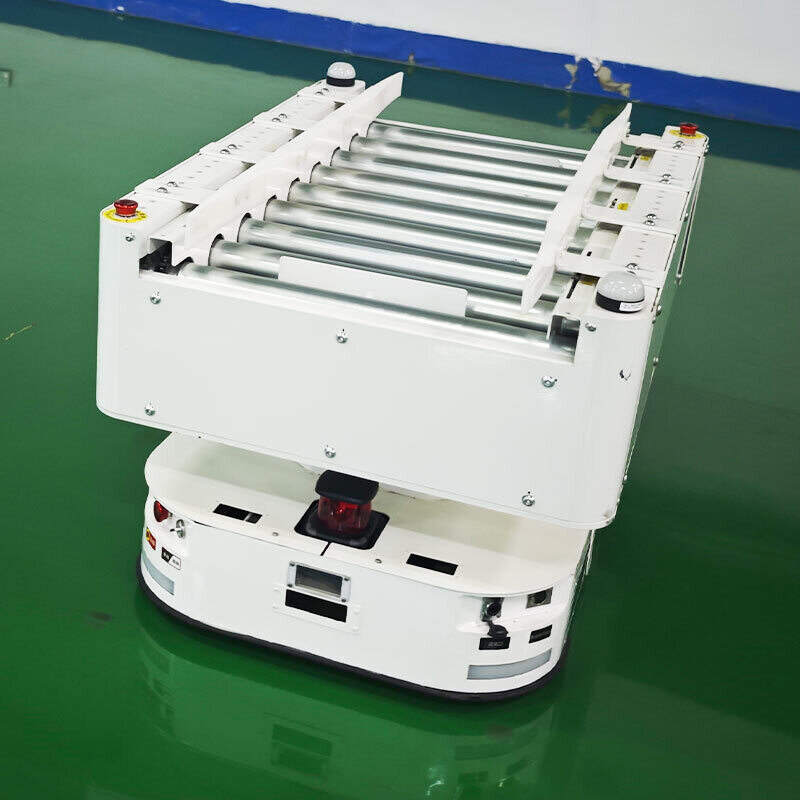
Against the background of growing low-carbon logistics demand, electric forklifts have become one of the most widely used material handling equipment in indoor storage scenarios in recent years. Reasonable mastery of its performance characteristics, operation specifications and maintenance skills can bring stable and reliable support for daily logistics operation.
Core Performance Advantages of Electric Forklifts
Different from traditional internal combustion powered handling equipment, electric forklifts produce no exhaust emission at the operation site, which can well meet the environmental protection requirements of closed spaces such as raw material warehouses, finished product storage areas and commercial distribution centers. The low operation noise level will not cause interference to nearby working staff and stored goods with strict noise control requirements. The transmission system of electric forklifts generates less mechanical vibration during operation, which effectively reduces the risk of collision and damage to fragile goods in the handling process.
Standard Daily Operation Specifications
Before each startup, operators need to complete basic pre-driving inspection work, including checking the remaining power level of the power unit, the flexibility of brake and steering system, and the smooth operation state of the mast lifting structure. Operators should not carry loads beyond the rated load range during operation, and keep a safe distance between the vehicle body and the shelf edge or passage obstacle. When driving on a ramp with a gentle slope, avoid steering operation to prevent side slipping risk. Charging work should be completed in the designated ventilation area with matching protective facilities, and unrelated sundries should not be stacked around the charging pile to avoid potential safety hazards.
Practical Routine Maintenance Measures
Regular maintenance work can effectively extend the whole service life of electric forklifts. Operators can regularly clean the heat dissipation components of the power system to remove accumulated dust and scattered packaging residues, so as to avoid the decline of heat dissipation efficiency. It is not recommended to run the power unit until the power is fully exhausted, and appropriate supplementary charging can help maintain the activity of the power unit. For forklifts that need to be parked for more than two weeks, supplementary charging is required every 10 to 15 days to avoid irreversible performance attenuation of the power unit. For different warehouse operation scenarios, matching the correct type of electric forklift and following standardized operation rules can effectively reduce the comprehensive operation cost of material handling, and create more stable operation benefits for logistics related enterprises.


