
 English
 简体中文
简体中文 Русский
 Français
 Español
 لالعربية

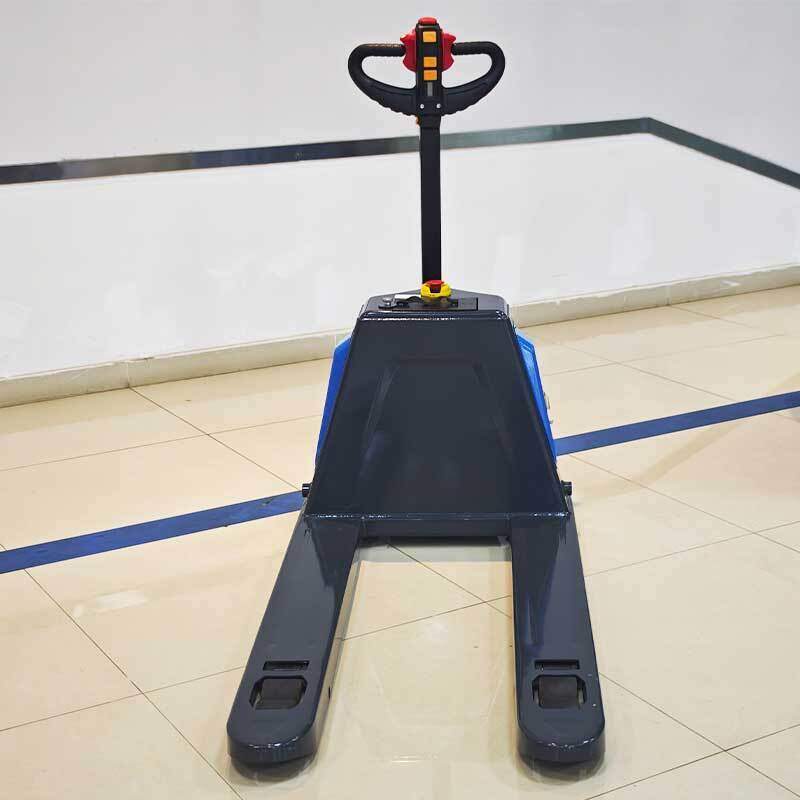
For operators and procurement teams preparing to build dedicated material handling fleets for cold chain logistics sites, proper configuration selection of BYD lithium-ion forklifts can effectively reduce on-site operation failure rates, extend equipment service life and control long-term overall operation costs, avoiding unnecessary extra input caused by mismatched specifications.
The first core selection dimension is targeted low-temperature adaptation configuration based on actual site temperature zones. Most cold chain logistics sites are divided into multiple functional areas with different temperature levels, including normal temperature goods receiving and dispatching zones, 0℃ to 5℃ fresh food storage zones, -18℃ to -25℃ frozen goods storage zones, and even ultra-low temperature deep freezing zones below -30℃. Procurement teams can allocate different adaptation configurations for forklifts deployed in different zones: for forklifts working in normal temperature zones, there is no need to add redundant low-temperature auxiliary components to control overall procurement cost; for forklifts working in medium and low temperature zones, it is recommended to select the configuration with matched battery pack low-temperature preheating system, anti-condensation operation panel coating, and low temperature resistant sealing parts, to ensure stable operation in long-term low temperature environment.
The second key selection point is working scene matching to meet daily operation demands. Teams can sort out actual operation demands first, including maximum lifting height for high level rack access, average daily operation duration, maximum load weight of regular goods, channel width of operation areas, and shift arrangement modes. For high altitude shelf storage scenes, select the mast configuration that matches the actual maximum lifting height; for narrow channel operation scenes, select the model with matched small turning radius; for 2-shift or 3-shift continuous operation modes, select the battery capacity that meets full-shift operation demands without frequent mid-shift supplementary charging. It is also recommended to reserve a proper proportion of spare equipment to cope with peak cargo flow periods in logistics seasons.
The last part of configuration selection is reasonable selection of auxiliary functions to improve operation comfort. For cold chain site staff who usually wear thick cold proof work clothes, it is recommended to choose the configuration with spacious operation space and enlarged non-slip operation handles. For forklifts deployed in ultra-low temperature zones for long time continuous operation, the optional closed heated cabin configuration can effectively reduce staff fatigue caused by long time exposure to low temperature environment. The optimized anti-slip tire face configuration can also effectively reduce slipping risks on frosted operation ground.
Before finalizing the whole fleet configuration scheme, teams can arrange a small scope field test for the pre-selected configurations, to confirm all specifications fit the actual site working conditions, and unify core specifications of the whole fleet to reduce later spare parts reserve cost and simplify staff training process.


