
 English
 简体中文
简体中文 Русский
 Français
 Español
 لالعربية

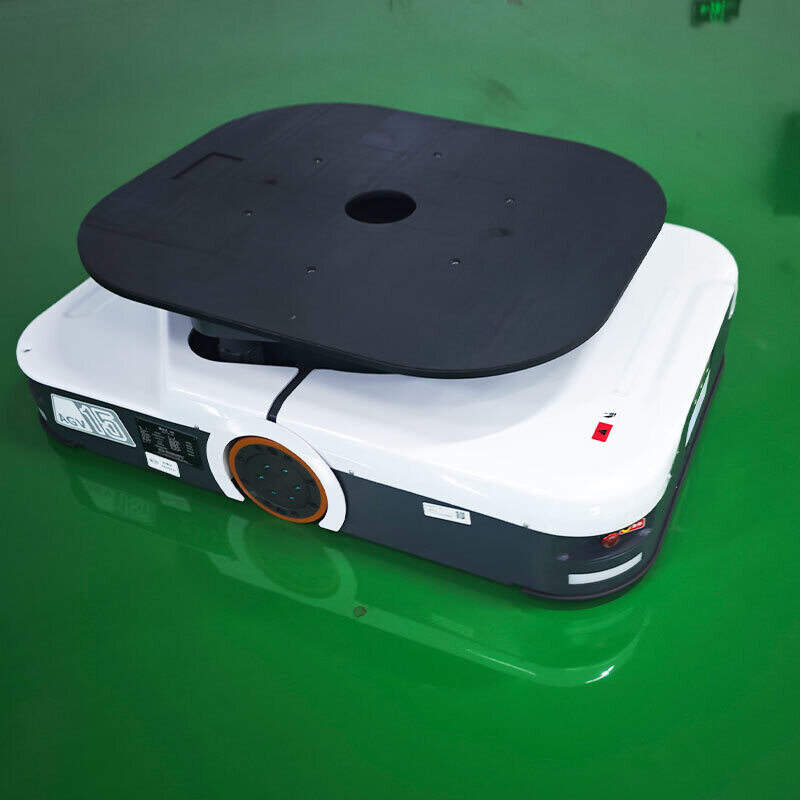
Against the global background of low-carbon industrial transformation, the material handling sector is witnessing a notable shift from traditional diesel forklift fleets to electric alternatives, which is mainly promoted by multiple practical sustainability trends rather than unilateral policy requirements.
The first core driving force is the increasingly strict emission regulation for on-site industrial mobile equipment. Many regional environmental management authorities have rolled out clear limit standards for particulate matter, nitrogen oxide and volatile organic compound emissions generated by non-road mobile machinery. Traditional diesel forklifts, which are often used in closed or semi-closed warehouse and freight yard spaces, will produce unorganized exhaust that may affect on-site working environment and fail to meet current environmental assessment requirements. Electric forklifts produce zero tailpipe emissions during operation, which can help operation teams avoid additional exhaust transformation costs and possible non-compliance fines easily.
The second key trend comes from the full value chain carbon footprint accounting requirement across multiple industries. More and more core brands in retail, manufacturing and e-commerce sectors have included scope 3 emission auditing as a necessary indicator for supplier qualification. The operation of diesel forklift fleets usually accounts for 12% to 25% of the total indirect carbon emissions of a standard logistics warehouse. Replacing diesel fleets with electric models can help operation providers cut relevant carbon emissions evidently, meet the sustainable procurement requirements of their cooperative clients, and maintain stable access to high-quality supply chain cooperation opportunities.
The third supporting trend is the maturing circular operation system for electric industrial equipment. The latest generation of electric forklift adopts power battery packs with standardized structure, which can be applied to echelon utilization scenarios for energy storage after finishing the service life on forklifts, and all the core metal materials of the battery can be fully recycled at the end of the whole lifecycle. Compared with diesel forklifts that need frequent replacement of engine oil, filter elements and other hazardous wastes during daily maintenance, electric forklifts have fewer vulnerable moving parts, which reduces the generation of operation waste effectively. As the proportion of renewable energy in public power grid continues to rise, the full lifecycle carbon emission of electric forklifts will be further reduced, bringing more long-term sustainability benefits for different industrial operation scenarios.


