
 English
 简体中文
 Русский
 Français
 Español
 لالعربية


For warehouse operators running order picking operations in Lilongwe, Malawi, choosing the right battery type for your order pickers directly impacts long term operational efficiency and overall expenditure. Many operators initially compare upfront purchase costs between lithium-ion and lead-acid battery powered order pickers, but overlook multiple hidden costs that accumulate across the full service lifecycle of the equipment.
Lead-acid order pickers usually carry a lower upfront procurement price tag, but they bring consistent extra costs over daily usage. Each lead-acid battery requires dedicated watering maintenance every 10 to 15 charge cycles, regular equalization charging, and specially assigned ventilated charging areas to avoid acid fume accumulation. The typical cycle life of a lead-acid battery for order pickers in high-intensity warehouse scenarios is around 1000 to 1500 charge cycles, which means operators need to replace the full battery pack every 2 to 3 years under 8-hour daily operation. Additional costs also come from longer charging time: most lead-acid order pickers need 8 to 10 full hours to complete a full charge, which makes it necessary for operators to prepare spare battery packs for multi-shift operations, adding extra procurement and storage costs.
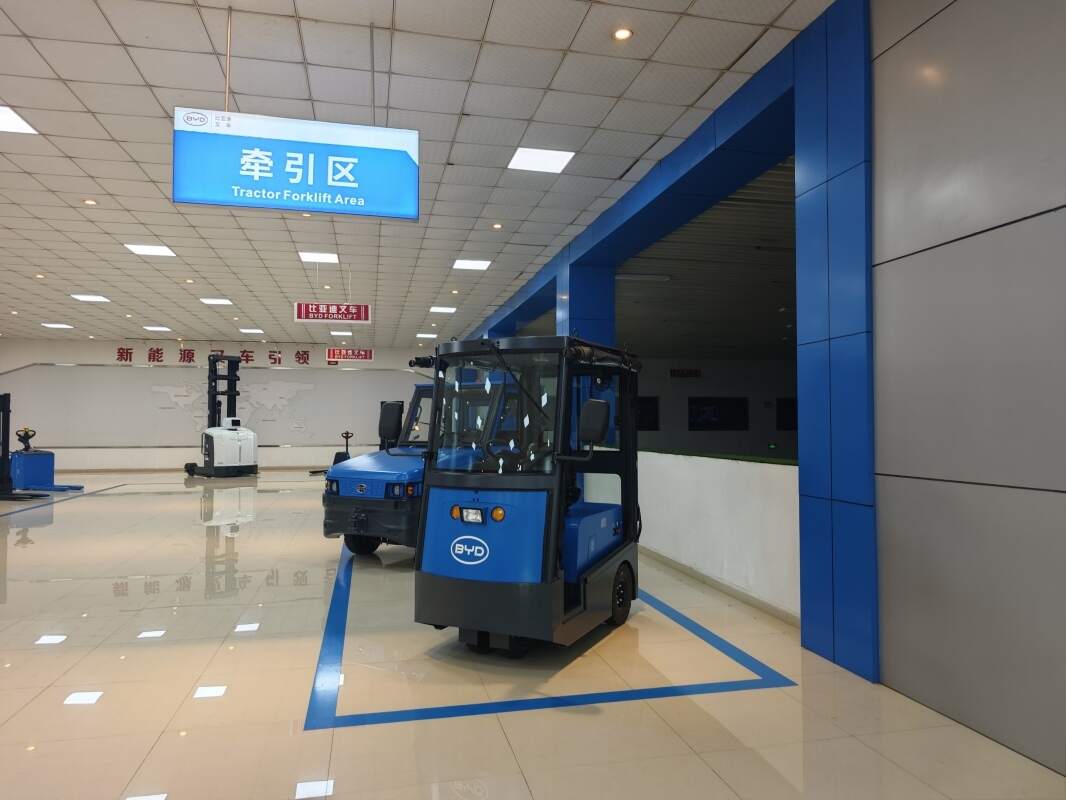
Lithium-ion battery powered order pickers come with higher initial procurement cost, but cut down most recurring hidden costs in long term operation. There is no regular watering or equalization charging requirement for lithium-ion packs, so operators can save the labor cost dedicated to battery maintenance. The typical cycle life of standard industrial lithium-ion order picker batteries reaches 3000 to 5000 charge cycles, which supports 5 to 8 years of normal daily operation without full battery replacement. Most lithium-ion models support opportunity charging, which means operators can top up the battery during short work breaks of 15 to 30 minutes, eliminating the need for spare battery packs for multi-shift operations in most Lilongwe warehouse scenarios. For average 3-shift warehouse operations, the total 5-year operating cost of a lithium-ion order picker can be 30% lower than a comparable lead-acid model, when you count all maintenance, replacement and spare battery related expenditures.
For local operations in Lilongwe, additional practical factors also influence the overall cost calculation. Local ambient temperatures in most warehouse areas stay within a suitable range for lithium-ion battery operation, and the absence of extra maintenance needs also reduces the requirement for skilled on-site technical staff that is relatively scarce in the local material handling service market. Operators can calculate their specific total cost of ownership based on their daily shift numbers, annual operation days and expected service lifecycle of the equipment.
We are Jianxin New Energy, focusing on BYD electric forklift solutions. For customized cost analysis and equipment consultation, you can reach us via [email protected].


