English
 简体中文
 Русский
 Français
 Español
 لالعربية


Located on the east coast of Madagascar, Toamasina serves as the country’s busiest port hub, with a large number of distribution centers, freight yards and manufacturing warehouses relying on electric stackers for daily material handling operations. For local business operators, choosing the right battery type for their electric stackers directly impacts daily operational efficiency and long-term expenditure, which makes the comparison between lithium-ion and lead-acid battery solutions a highly concerned topic in recent years.
The initial procurement cost is the first factor most operators notice. Lead-acid battery equipped electric stackers usually come with lower upfront purchase expenditure, which seems more friendly for small teams with limited short-term capital budget. But for long-term operation scenarios that require 8 to 12 hours of daily working time, the hidden cost points of lead-acid solutions will gradually show up in daily use.
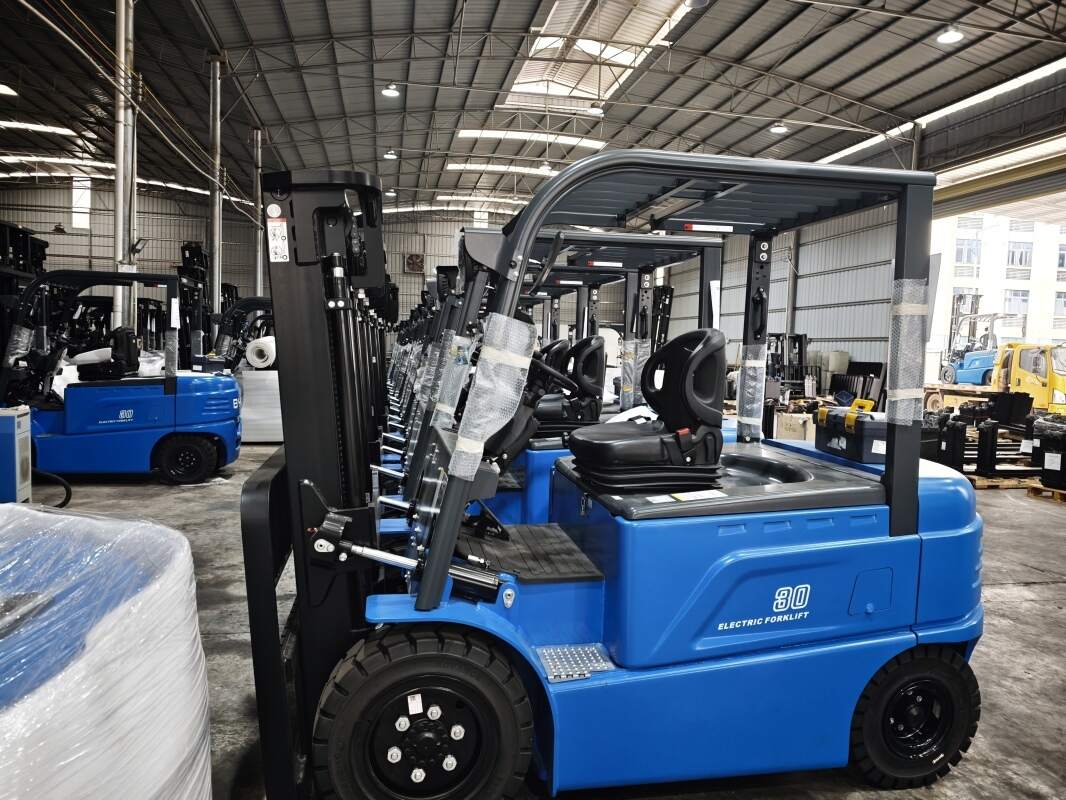
Lead-acid batteries need regular water replenishment, equalization charging and special ventilation storage space, the whole set of maintenance work requires dedicated staff to spend 1 to 2 hours per week, which generates extra labor cost. Besides, the charging cycle life of lead-acid batteries in the high humidity coastal climate of Toamasina usually stays around 500 to 700 times, which means operators need to replace the battery set within 2 to 3 years of normal use, adding extra unplanned expenditure. The charging process of lead-acid batteries will also release trace corrosive gas, which requires additional safety management work for enclosed warehouse spaces.
For lithium-ion battery equipped electric stackers, though the upfront procurement cost is relatively higher, they bring more stable cost performance across the whole life cycle. There is no need for regular daily maintenance, operators can arrange opportunity charging during work breaks without waiting for full discharge, which greatly improves the utilization rate of equipment. The cycle life of qualified lithium-ion batteries can reach more than 3000 times, which can support 8 to 10 years of normal use under daily load conditions, effectively reducing the total comprehensive investment in the whole operation period. The enclosed battery structure also fits the local high humidity climate well, avoiding extra management risks for operation teams.
As a professional service provider focusing on electric forklift solutions, Jianxin New Energy specializes in BYD electric forklift supply and localized supporting service. We provide targeted battery solution consultation for local operators in Toamasina, you can send your specific demand to [email protected] for customized cost analysis and supporting service details.