
 English
 简体中文
简体中文 Русский
 Français
 Español
 لالعربية

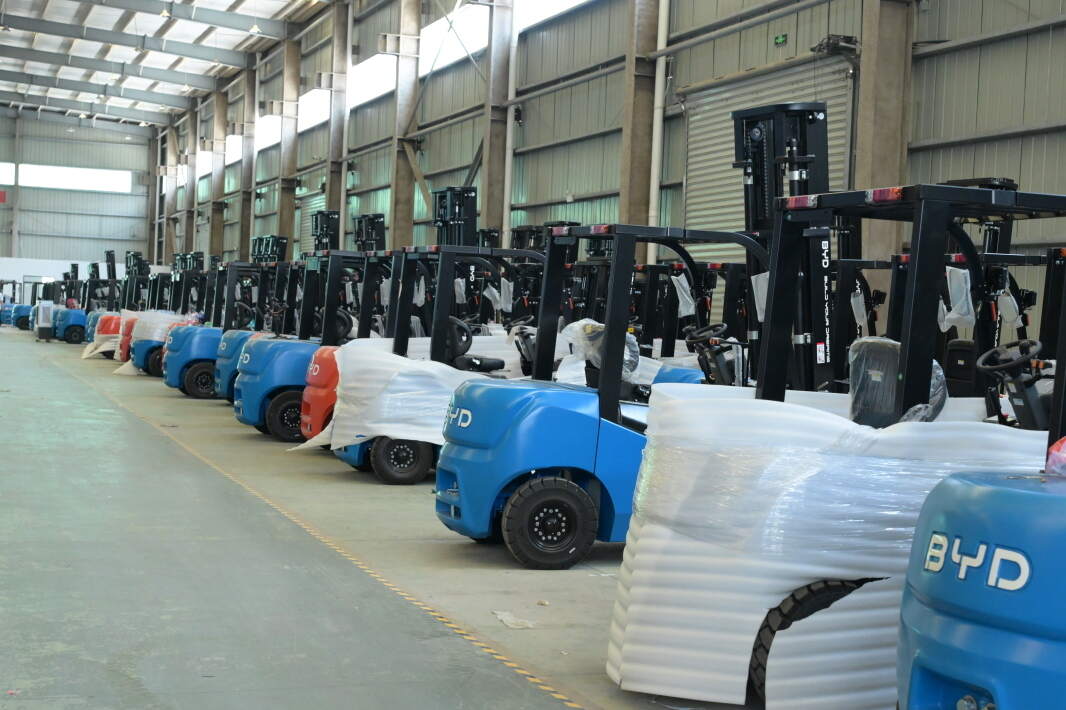
As low-carbon logistics solutions gain wider adoption across industrial and warehouse scenarios, electric forklifts have become one of the most widely applied material handling equipment for daily cargo transportation, stacking and loading tasks. A clear grasp of core operation rules and maintenance knowledge can help operators extend equipment service life, reduce potential safety risks, and improve overall logistics workflow efficiency.
Core Pre-operation Check Specifications
Before starting any operation, operators need to complete a series of standardized checks to confirm the equipment is in normal status. First, check the remaining battery level to avoid sudden power off during cross-scenario long-time working that affects operation progress. Second, inspect the wear condition of tires, brake system and lifting chain, make sure no obvious abnormal abrasion or loose parts exist. Third, test the normal response of steering system, lighting and warning horn, to ensure all auxiliary functions can work properly under low-visibility working environments. Operators can also record abnormal status found during the check in a dedicated log book, to arrange follow-up processing in time.
Standardized Operation Guidelines for Daily Use
During operation, operators need to strictly follow the load limit rules specified by the equipment parameter, avoid overloading that causes extra pressure on the lifting structure and power system. When turning in narrow warehouse aisles, operators need to slow down in advance, observe surrounding pedestrians and obstacles through the rear view window or auxiliary detection components, to avoid accidental collisions. When lifting or lowering cargos, keep the movement stable and gentle, avoid sudden acceleration or deceleration that leads to cargo tipping and falling. It is also recommended to keep the driving speed under the safe range set for indoor working scenarios, to balance operation efficiency and safety.
Scientific Daily Maintenance Suggestions
After finishing daily operation, operators need to park the equipment in the designated ventilated and dry storage area, turn off the power switch, and complete routine cleaning of the vehicle body to remove accumulated dust, cargo residues and sundries on the surface and gaps of components. For battery maintenance, follow the official charging specifications, avoid over-discharging or long-time over-charging, to keep the battery module in good working status. Conduct regular periodic inspection on core power components and transmission parts, arrange professional personnel to do troubleshooting once abnormal noise or performance fluctuation is found, to reduce unexpected equipment downtime. Proper operation and maintenance habits can effectively bring the performance of electric forklift into full play, create higher value for daily material handling work of different industrial scenarios.


