
 English
 简体中文
简体中文 Русский
 Français
 Español
 لالعربية

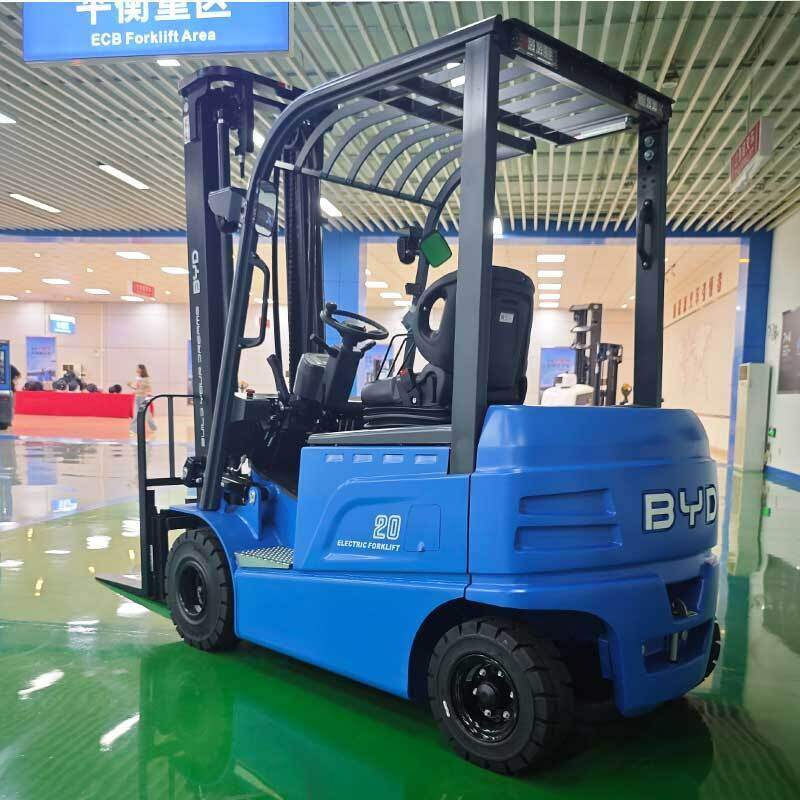
For a long time, the service system supporting electric forklift operation has been constrained by information asymmetry. Traditional service modes mostly rely on regular manual inspection or passive response after equipment breakdown, which often leads to unplanned downtime, unreasonable operation and maintenance cost, and untapped potential of equipment utilization. With the popularization of digital transformation in the material handling industry, data platforms dedicated to electric forklift operation management are becoming the core driving force to reform the original service logic, and spawn a series of new service forms that match the actual demands of end users.
The electric forklift data platform collects multi-dimensional operation information through standardized on-board sensing modules, covering real-time running status, battery health data, working hour statistics, operation track and load condition of each device. All collected data will be transmitted to the cloud computing end for desensitized processing and multi-dimensional analysis, without interfering with the normal operation of the forklift itself. The whole data transmission and analysis process follows strict industrial information security specifications, to ensure the stability and reliability of data application.
The first typical new service model derived from the platform is proactive predictive maintenance. Different from the traditional passive fault response, the platform can identify the abnormal change trend of key components through long-term data comparison, and send early warning to service providers and users before the fault affects normal operation. The service team can arrange targeted on-site check and component replacement according to the pre-judged fault degree, which greatly cuts the waiting time of users, and reduces the loss caused by sudden equipment shutdown.
Another widely recognized new service is customized energy efficiency management. The platform can draw exclusive energy consumption curve for each electric forklift according to its actual working scenario, and output targeted optimization suggestions for charging strategy, operation path arrangement and personnel operation standard. Professional service personnel can provide one-to-one guidance for enterprise equipment managers based on platform data, effectively prolong the service life of power batteries, and reduce the overall energy cost of material handling links.
The data platform also supports the creation of flexible shared forklift dispatching service. For small and medium-sized users who have intermittent material handling demands, the platform can match the idle electric forklift resources near the demand site according to the real-time position and idle status of accessed devices, so as to meet the temporary operation demand of users without requiring them to purchase or lease equipment for a long time. This lightweight service mode effectively reduces the asset investment pressure of small and micro operation entities.
At present, the new service models driven by electric forklift data platforms are still in the stage of continuous iterative improvement. With the gradual expansion of data dimension and the continuous optimization of analysis algorithm, more scenario-based targeted services will be developed to cover more operation links of the material handling industry, and bring tangible value for all parties in the industrial chain.


