
 English
 简体中文
简体中文 Русский
 Français
 Español
 لالعربية

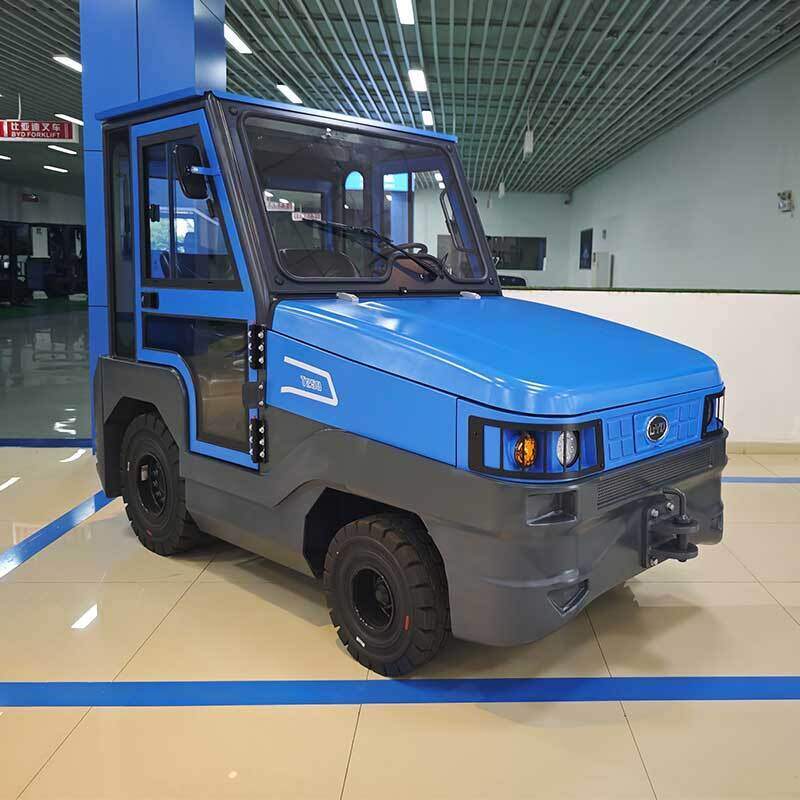
In daily warehouse and distribution center logistics operations, electric pallet trucks are widely used for short-distance cargo handling, while the door crossing area and trailer access scene are two high-frequency links that easily trigger small safety accidents. Targeted standardized operation drills for operators can effectively reduce hidden operation risks, and cultivate standardized operation habits for frontline staff.
Before launching the formal drills, all participating operators need to complete the basic pre-check training for electric pallet trucks: they are required to finish full vehicle appearance inspection, brake function test, remaining power confirmation and operation handle sensitivity check before each task, to make sure the equipment is in normal working condition before entering special operation scenarios.
For the door-opening and crossing drill, operators need to master the full standard process step by step. First, when the electric pallet truck is 1 meter away from the door area, the operator needs to decelerate to low speed, get off or press the door opening trigger device at a safe position, wait for the door to be fully opened and keep static for 2 to 3 seconds, confirm that no pedestrians or obstacles appear in the door passage, then drive the pallet truck to pass the door at a constant speed not higher than 3km/h. During the whole process, operators are not allowed to rush through the door when the door is not fully opened, and do not stay in the induction area of the automatic door for a long time to avoid accidental clamping of the moving door body. If the door fails to open normally in the operation process, the operator should drive the pallet truck to the safe area on the side of the passage, press the emergency stop button in time, and notify the on-site maintenance personnel to handle the fault, instead of forcibly opening the door to pass.
For the trailer-entry drill, operators need to complete a series of pre-entry confirmation first. They need to check in advance that the trailer’s handbrake is fully pulled up, the wheels are fixed with non-slip stoppers, the butt gap between the trailer floor and the unloading platform is within the safe range, and the lap anti-slip pedal is firmly fixed. After confirming all the above conditions are met, the operator drives the electric pallet truck full of cargo to stop at a position 30 cm outside the trailer entrance, check that there is no accumulated water, scattered goods or obstacles inside the trailer, then drive the equipment into the trailer at the lowest stable speed, avoid sudden braking in the narrow space of the carriage, place the goods at the designated position smoothly, then check that there is no risk of goods falling around, and drive the pallet truck out of the trailer slowly along the original route.
All drills need to be guided by certified on-site safety supervisors. After each operator completes the drill, the supervisor will point out the non-standard moves and help the operator correct the operation habit in time. Regular repeated drills can effectively improve the operation proficiency of all staff, reduce the incidence of operation accidents, and ensure the stable and orderly progress of on-site logistics work.


