
 English
 简体中文
简体中文 Русский
 Français
 Español
 لالعربية

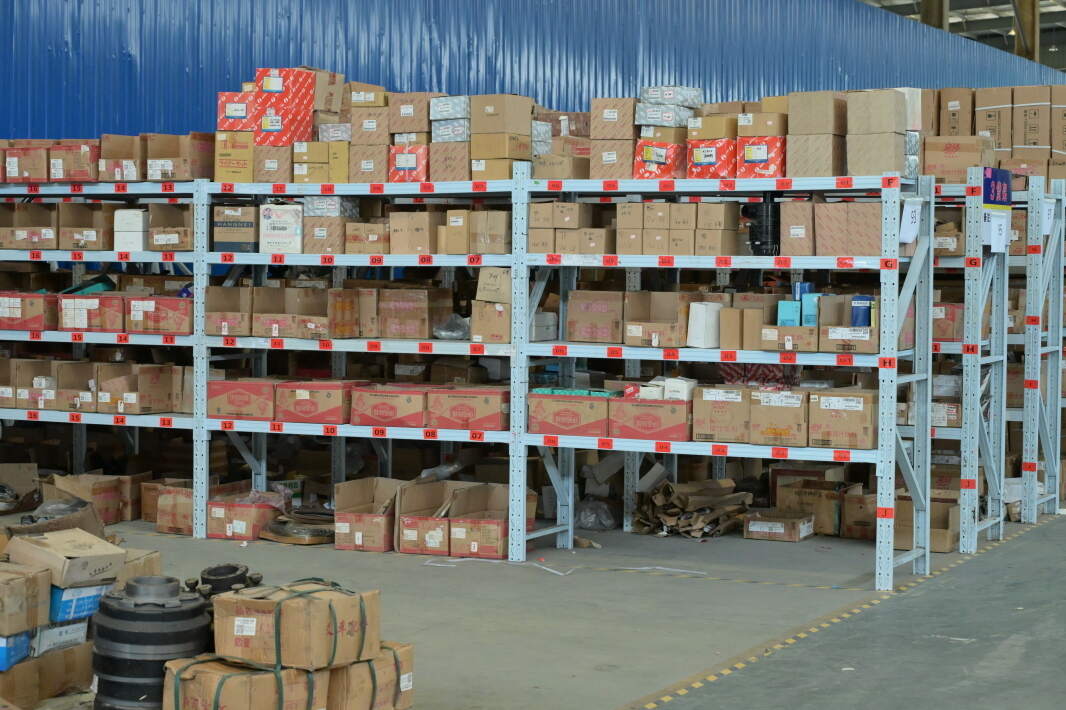
As a widely applied new energy material handling tool, electric forklift has become a core equipment for most modern warehousing and logistics scenarios in recent years. Mastering systematic professional knowledge of this equipment can help relevant practitioners maximize its use value while avoiding unnecessary operation risks.
Core Functional Features of Electric Forklifts
Compared with traditional internal combustion counterparts, modern electric forklifts produce no tail gas emission during operation, and generate much lower running noise and mechanical vibration. Such features make them suitable for enclosed indoor spaces, especially scenarios that have strict requirements on environmental cleanness, such as food storage, pharmaceutical warehouses and precision electronic component workshops. The smooth power output of electric drive system also supports more precise adjustment of goods lifting and moving speed, which can reduce the risk of goods collision and damage during high-level stacking operations.
Standard Daily Operation Specifications
Before each shift of operation, operators need to conduct basic pre-check on key components, including remaining battery level, braking system sensitivity, and the tightness of hydraulic lifting parts, and confirm no irrelevant personnel or obstacles exist in the planned operation area. During the operation process, the actual load should be controlled within the rated range marked on the equipment parameter plate, and sudden steering or emergency brake should be avoided as much as possible to prevent unstable center of gravity. When the equipment is in idle state for more than 3 minutes, the operator should lower the pallet fork to a low position and cut off the power output properly.
Routine Maintenance Suggestions
After each daily operation, operators can wipe off the dust, spilled packaging debris and other attachments on the surface of the car body in time, to avoid long-term corrosion of the shell or moving parts. It is suggested to check the tightness of battery connection terminals regularly to avoid overheating caused by loose contact, and check the liquid level and cleanliness of hydraulic oil according to the specified service cycle. When abnormal noise or prompt code appears on the operation panel, operators should stop using the equipment in time, and arrange professional technical personnel to conduct troubleshooting, instead of disassembling core components without professional guidance.
Reasonable Scenario Matching Tips
Different operation scenarios can select electric forklifts with corresponding configuration parameters to get better use experience. For narrow aisle warehouse scenes, users can choose models with smaller turning radius to improve space utilization. For outdoor flat operation areas, the equipment with higher waterproof and dustproof level is more suitable. For low temperature cold storage scenes, users can choose matching special low-temperature resistant battery sets to maintain stable operation performance. Proper use and maintenance can effectively extend the service life of electric forklifts, and improve the overall material circulation efficiency of the whole operation system.


