
 English
 简体中文
简体中文 Русский
 Français
 Español
 لالعربية

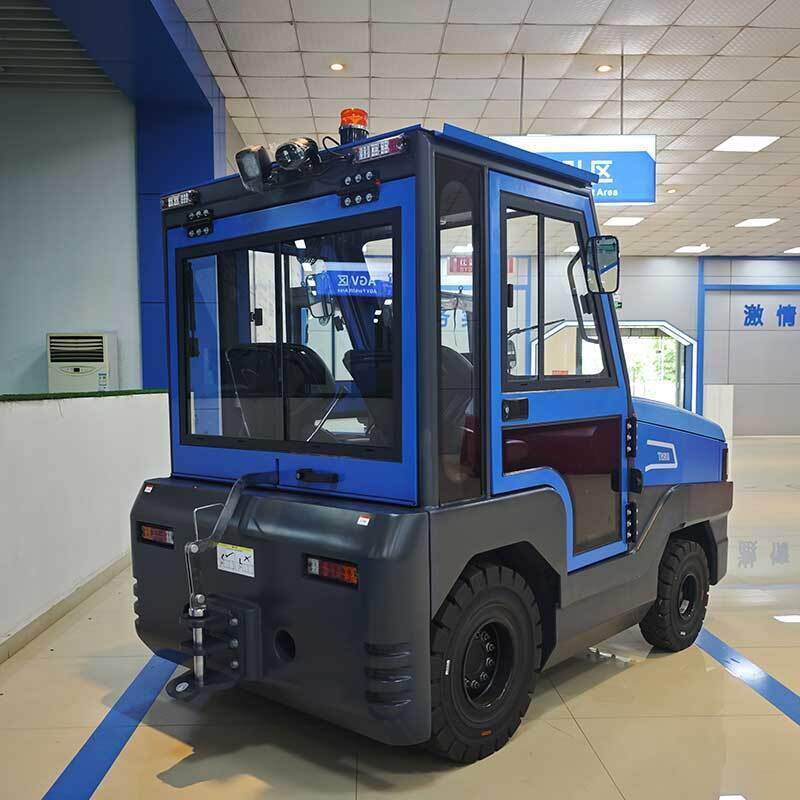
As low-carbon logistics and standardized warehouse management concepts gain wider popularity across industrial sectors, electric forklifts have become a core piece of material handling equipment for most indoor operation scenarios, thanks to their low noise output, zero on-site emissions and flexible maneuverability. Mastering systematic knowledge of this equipment helps operation teams reduce unnecessary component wear, extend the full service cycle of the device, and control the overall long-term operational cost at a reasonable level.
Core Suitable Application Scenarios
Unlike fuel-powered counterparts, electric forklifts are more adaptable to scenarios that require long-hour continuous operation in enclosed spaces, such as general commodity warehouses, food processing workshops, pharmaceutical storage zones and cold chain logistics hubs. The low noise feature avoids disrupting other staff working in the same functional area, while no exhaust emission eliminates hidden risks of contaminating stored goods with strict hygiene requirements, which meets the compliance standards of most modern industrial management regulations. Operators need to confirm the accurate load weight of the goods before starting operation, to avoid overloading that may cause damage to the lifting structure or bring potential safety risks for surrounding staff.
Standard Routine Daily Maintenance Rules
Regular proper maintenance can effectively reduce unexpected breakdown rates during peak operation periods. The core daily checks cover three main modules: power system, walking structure and hydraulic lifting component. For the power system, operators need to check the electrolyte level of the storage battery, confirm no loose wiring connectors, and wipe the dust accumulated on the surface of the battery pack to avoid abnormal heat dissipation during operation. For the walking structure, it is necessary to check the wear degree of tires, confirm the flexibility of the brake system, and make sure no hard foreign debris is stuck in the wheel gaps. For the hydraulic system, check if there is oil leakage on the oil pipe joints, and test the smoothness of the lifting and tilting actions before carrying out formal handling tasks.
Operation Optimization Methods for Higher Efficiency
To further improve overall handling efficiency, operation teams can make targeted adjustments to their working process based on the performance characteristics of electric forklifts. For example, arrange the vehicle charging schedule during non-peak working hours to avoid interrupting normal goods moving tasks, and plan the driving routes inside the warehouse in advance to reduce unnecessary repeated steering and idle driving. Teams can also provide regular skill training for new operators, to help them get familiar with the operation logic of the control system in a short period, which effectively reduces the misoperation rate and lowers the wear of core functional components. With continuous improvement of related industrial supporting technologies, electric forklifts will see wider application in more segmented handling scenarios in the future.


