
 English
 简体中文
简体中文 Русский
 Français
 Español
 لالعربية

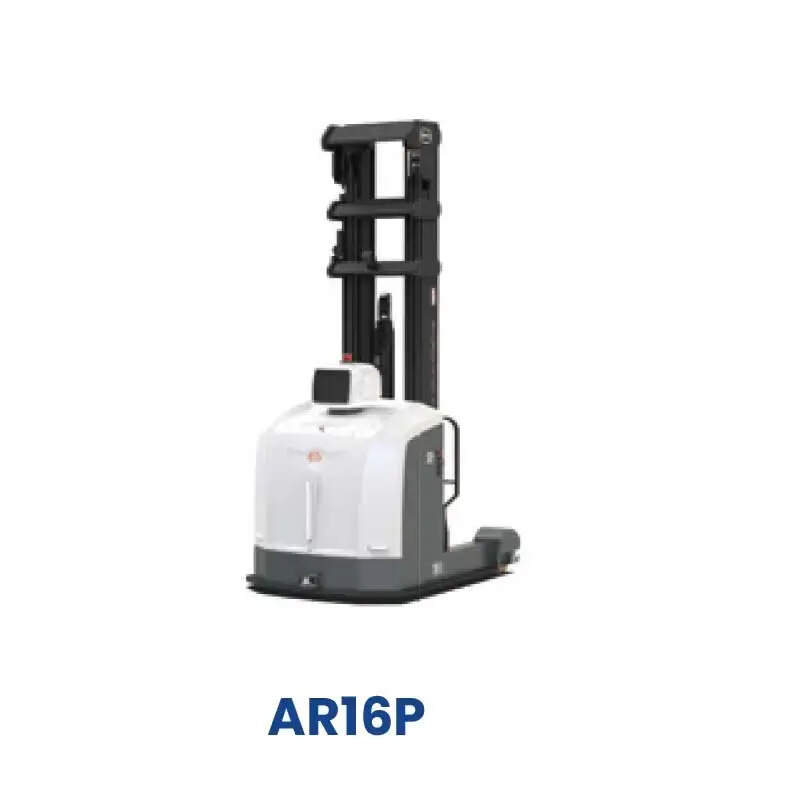
As a widely used material handling equipment in modern logistics and industrial scenarios, electric forklifts have gained growing popularity among operation teams in recent years, as more enterprises prioritize low-carbon operation and long-term cost control. This guide sorts out verified practical professional knowledge for all relevant practitioners to reference in daily work.
Core Performance Features of Standard Electric Forklifts
Different from internal combustion counterparts, most electric forklifts rely on rechargeable battery packs to provide power, which produces no tail gas emission during working hours, and generates relatively low operation noise to avoid disturbing other staff in closed indoor spaces. The overall vibration level of electric forklifts during operation is also lower, which can reduce the fatigue level of operators after long shifts. Most common models also have relatively compact body sizes, which can pass through narrow aisle passages in standard warehouse layouts smoothly to make full use of limited storage space.
Key Operation Specifications to Follow Daily
Before each shift, operators need to check the remaining battery level, the flexibility of the steering system, the sensitivity of the braking device, and the condition of the lifting forks to rule out potential hidden risks in advance. During the operation process, operators should avoid overloading the equipment beyond the rated load limit, and keep the load at a low height when moving to prevent the goods from falling accidentally. It is also not recommended to operate the electric forklift on slopes with excessive inclination, and staff should not extend any part of their body outside the guard frame of the vehicle during working process.
Routine Maintenance Best Practices
For the battery pack, users should follow the official charging guidance to avoid overcharging or deep discharging for a long time, and clean the dust and accumulated sundries on the surface of the battery regularly to keep the connecting parts dry. Operators also need to arrange regular inspection for the motor and control circuit system, and wipe the surface of the vehicle body to remove the residual dust and cargo debris accumulated in daily work. Proper daily maintenance can help stabilize the working performance of the equipment and reduce the probability of unplanned downtime.
Applicable Scenarios for Electric Forklift Deployment
Electric forklifts can fit most indoor material handling scenarios including ordinary warehouses, food processing workshops, pharmaceutical storage zones, and retail distribution centers. For scenarios with high requirements for environmental cleanliness, electric forklifts can meet relevant operation requirements more easily. Users can select models with corresponding parameters based on their actual operation frequency, average handling weight and passage width of their own sites to get ideal use experience.


