
 English
 简体中文
简体中文 Русский
 Français
 Español
 لالعربية

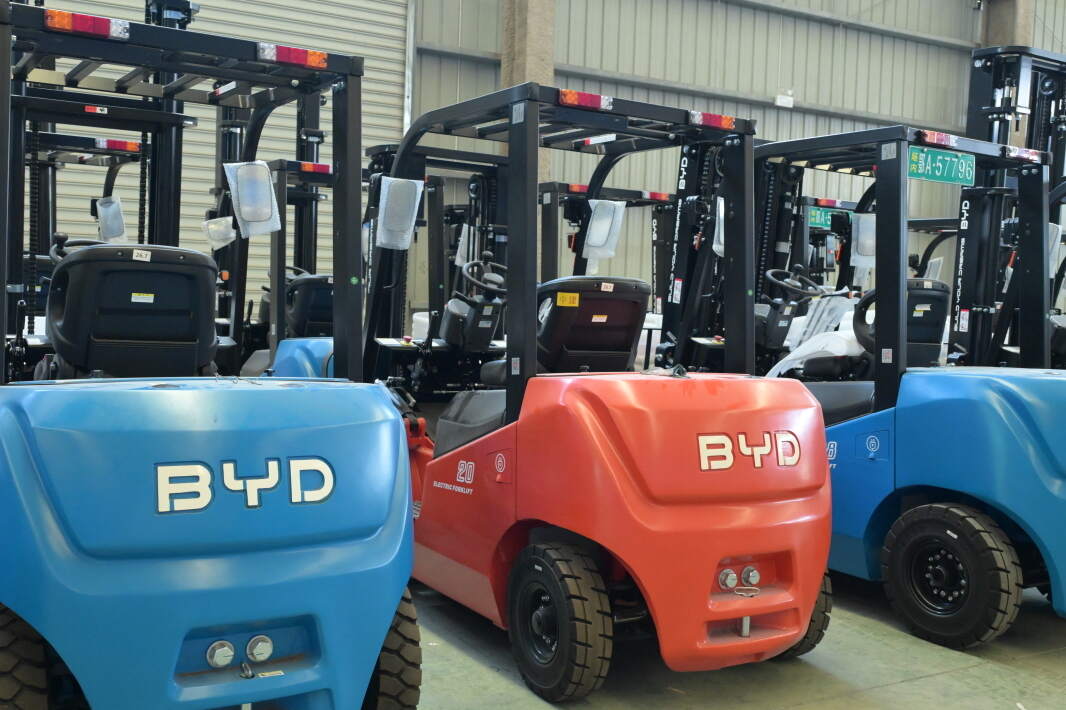
As the core equipment of modern indoor material handling, electric forklifts have been widely applied in warehousing, manufacturing and distribution sectors in recent years. Mastering proper use and maintenance rules can bring stable operation performance and reduce unnecessary operation cost for logistics teams.
Core Functional Advantages of Electric Forklifts
Different from fuel-powered handling equipment, electric forklifts produce no exhaust emission during operation, which fits the strict environmental protection requirements of enclosed indoor operation scenes. The low noise output also creates a more comfortable working environment for on-site staff, and the low vibration operation mode reduces the risk of damage to fragile goods during handling process, making it suitable for sorting, stacking and short-distance transshipment of various common cargo types.
Standard Daily Operation Specifications
All on-site operators need to complete relevant pre-job skill training before using electric forklifts. Before each shift, it is necessary to conduct a quick inspection on the remaining battery level, braking sensitivity, warning indicator and fork structure status. In the operation process, operators need to avoid overloading the equipment, reduce the speed when turning, keep enough safety distance with surrounding shelves and personnel in narrow channels, and avoid frequent sudden acceleration and sudden stop actions as much as possible.
Scientific Routine Maintenance Measures
For the core power component of the equipment, operators need to follow the official specification to complete daily charging work, avoid long-time over-discharging or overcharging the battery, and regularly clean the dust and sundries on the surface of the battery electrode. It is also necessary to regularly lubricate the transmission and moving parts, check whether the internal circuit has aging or abrasion traces, and do not disassemble or modify the internal circuit structure of the equipment without permission. Once minor abnormal conditions are found, relevant staff should arrange inspection and troubleshooting in time, to avoid operating the equipment with hidden faults.
Long-term Efficiency Promotion Strategies
Warehouse management teams can reasonably plan the daily operation path of electric forklifts according to the layout of the storage area, reduce the unnecessary empty driving time of the equipment. Arrange supplementary charging during the low peak period of operation, avoid forcing the equipment to complete high-load tasks when the battery level is too low. Regularly organize skill update training for operators, to help them form good operation habits, and arrange reasonable shift scheduling for multiple devices to give full play to the handling capacity of each unit. These standardized operation and maintenance measures can effectively extend the service life of electric forklifts, reduce the overall comprehensive operation cost, and support the stable and efficient operation of the whole warehouse material handling system.


