
 English
 简体中文
简体中文 Русский
 Français
 Español
 لالعربية

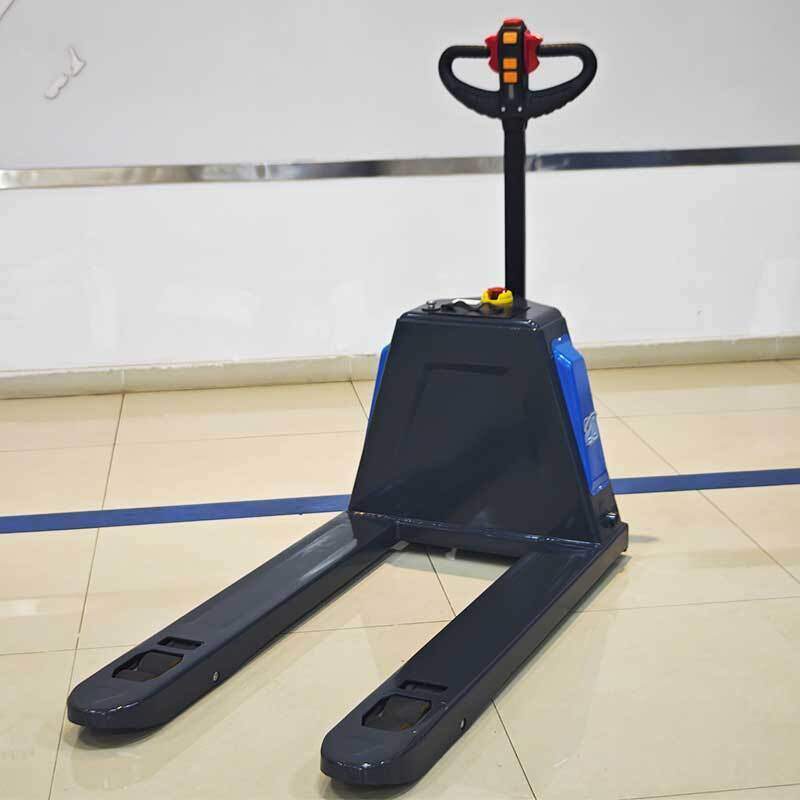
Nowadays, electric forklifts are widely applied in diverse industrial material handling scenarios, with features of low operating noise and zero on-site emissions that fit the demands of enclosed workspace operation and low-carbon production trends. To maximize the comprehensive value of this type of equipment, operators and warehouse managers need to build systematic operation and management logic, instead of only focusing on the one-time initial purchase cost.
Basic Pre-Operation Check Standards
Before each shift of operation, operators need to complete a set of standardized inspection procedures to avoid unnecessary equipment damage and hidden safety risks. The inspection scope covers the power system status, tire wear level, brake sensitivity, lifting mechanism flexibility and surrounding working condition clearance. Operators should confirm there are no obvious obstacles in the planned driving path, and the loaded cargo weight does not exceed the rated load mark of the equipment, to prevent unstable cargo shifting during the whole handling process.
Daily Routine Maintenance Suggestions
Regular targeted maintenance can effectively extend the service life of core components of electric forklifts, and reduce unexpected downtime in peak operation periods. For the power battery part, operators should follow the specified charging procedures, avoid long-time over-discharging of the battery, and keep the surface of the battery pack clean and dry during daily use. The walking motor and hydraulic lifting system can be inspected on a monthly basis, to timely remove accumulated dust and check for loose connection parts. It is not recommended to place the equipment in high humidity or high temperature environment for long-term idle storage, which may cause accelerated aging of internal electronic components.
Operation Efficiency Optimization Tips
Reasonable scheduling of electric forklift use routes can effectively cut unnecessary repeated driving, and improve the overall throughput of the warehouse material handling process. Operators can plan the picking and delivery sequence in advance according to the daily operation task list, to reduce frequent start and stop frequency of the equipment within unit time. For different working scenarios such as narrow aisle, low temperature cold storage and heavy load stacking, operators can adjust corresponding equipment operation parameters appropriately, to adapt to special environment requirements and get more stable operation performance. Building a complete operation and management system for electric forklifts can help enterprises get more stable long-term use returns, and create a safer working environment for frontline handling staff.


