
 简体中文
简体中文 Русский
 Français
 Português
 Español
 لالعربية

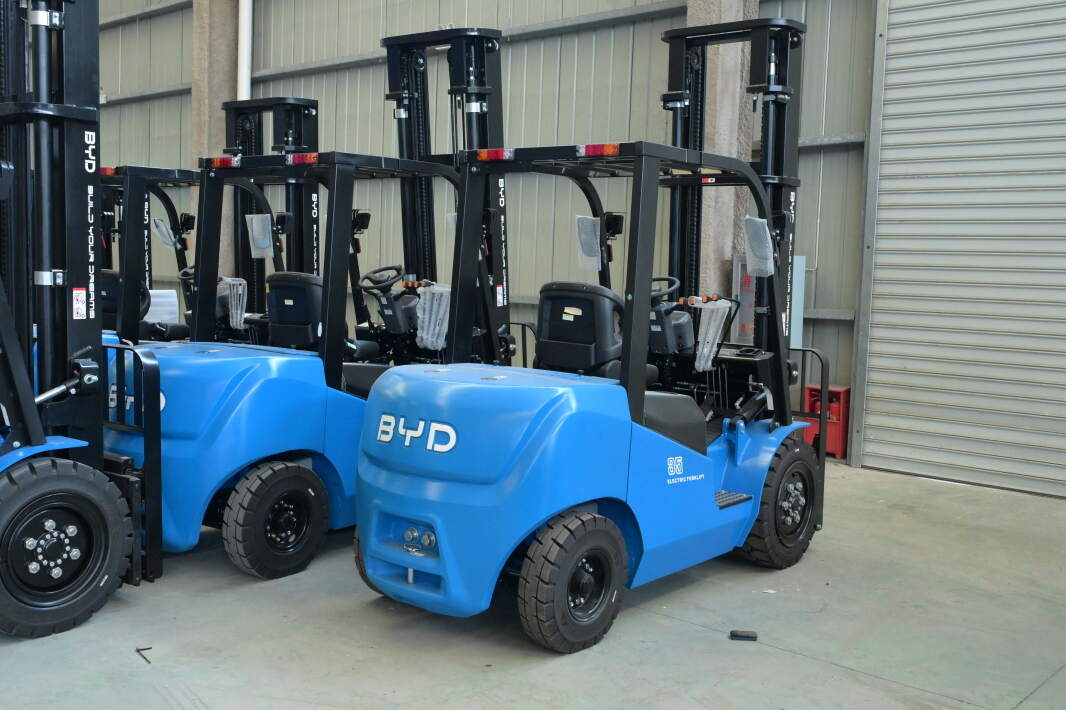
As a widely applied green material handling equipment in modern logistics and storage scenarios, electric forklifts have gained growing popularity for their low noise level and zero on-site emission features. Many frontline operators and warehouse management teams still lack systematic awareness of proper usage rules, which may lead to extra wear of core components and unnecessary shortened service lifespan. This practical guide shares verified industry insights to support users to get better performance from their electric forklift equipment.
Core Daily Operation Norms
Before starting each work shift, operators need to complete a basic pre-check covering the power battery status, braking system flexibility, tire wear condition and lighting function, to rule out hidden risks before formal handling work. During operation, it is not recommended to carry loads exceeding the rated load capacity for a long time, and keep the load center within the specified range to avoid unbalanced tilting risk. When the forklift is running on wet or slippery ground, operators need to slow down properly and avoid sudden steering or emergency braking, to keep the whole operation process stable and reduce extra loss of control risk.
Routine Preventive Maintenance Guidelines
For the power battery module, operators should follow the official specified charging procedure, and avoid deep discharge that drains over 90% of the total power before recharging, which can help maintain the overall battery performance for a longer period. Regularly clean the dust and accumulated debris on the surface of the motor and heat dissipation system, to avoid poor heat dissipation that may cause abnormal temperature rise during long time continuous operation. The lubrication points of lifting mechanism and steering system can be added with specified lubricant on a fixed cycle, to reduce friction loss between metal moving parts effectively.
Efficiency Optimization for Long-term Usage
Reasonable route planning for daily handling tasks can effectively reduce unnecessary repeated driving, which can lower power consumption per unit of handling task and extend the single operation duration of each full charge. Teams can arrange regular skill training for frontline operators, to help them form good operation habits and reduce misoperation that causes extra component wear. With proper daily management and maintenance, electric forklifts can maintain stable working status for a long time, creating more practical value for daily storage and logistics work.


