
 简体中文
简体中文 Русский
 Français
 Português
 Español
 لالعربية

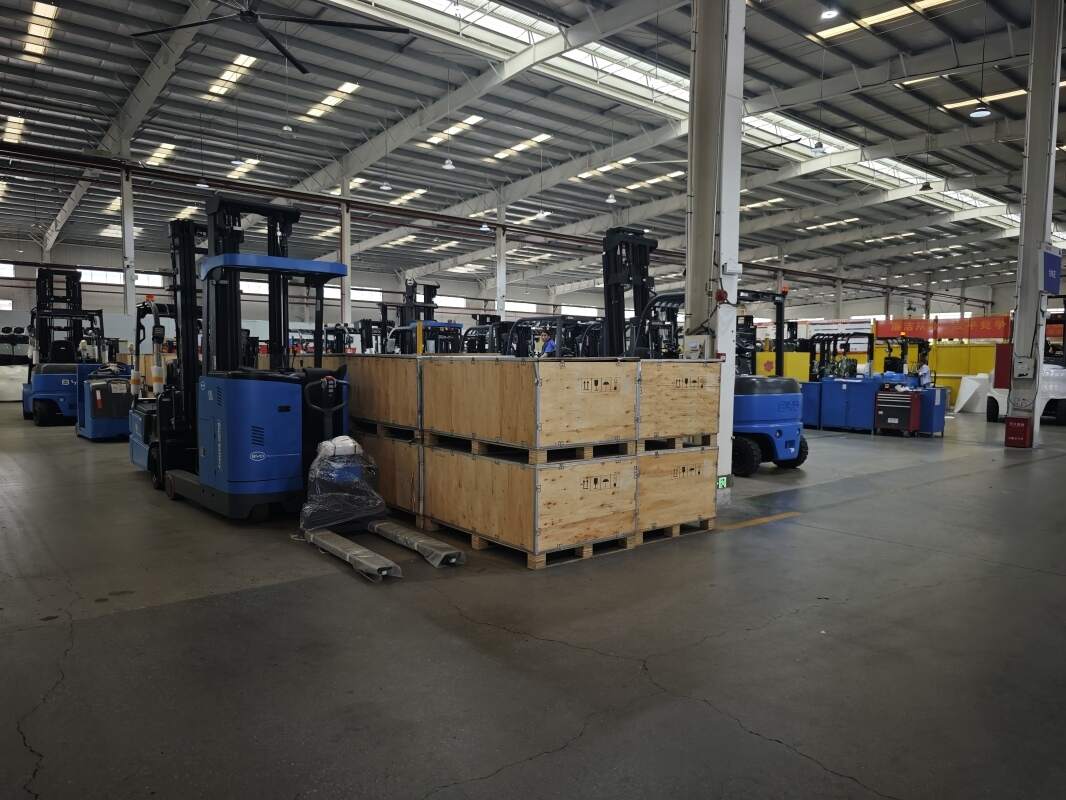
With the wide application of electric forklifts in modern warehousing and logistics scenarios, the overall skill level of operation teams directly affects operation safety, equipment service life and daily cargo turnover efficiency. Many enterprises only arrange one-time pre-job training for new operators, lacking continuous guidance and scene-based skill polishing, which easily leads to inconsistent operation habits, hidden safety risks and unnecessary loss of vehicle components. That makes the structured operator mentoring program a highly practical solution to build consistent, high-standard operation competency for the whole electric forklift fleet.
Different from scattered offline training, the operator mentoring program adopts a hierarchical, long-term transmission mode led by experienced senior operators who have accumulated years of safe operation records. The first stage of the program focuses on targeted knowledge popularization combined with the unique attributes of electric forklifts, covering proper battery charging and daily maintenance points, energy-efficient operation habits to extend battery cycle life, and basic compliance rules that differ from internal combustion forklift operation, to help all operators build solid correct cognition before getting on the vehicle.
The core of the mentoring program is one-to-one on-site practical guidance. Mentors follow the trainees through their daily shift tasks, correct bad operation habits in real time, such as overspeeding at corners, carrying goods with forks lifted too high, or frequent sharp braking that causes extra impact on the motor, and demonstrate standard operation skills for special scenarios including narrow channel stacking, heavy cargo precise alignment, and temporary emergency response when the vehicle triggers an abnormal alarm.
To ensure long-term effect, the program also sets regular group skill sharing sessions, to let excellent operators exchange practical operation skills they summed up in daily work, and organize regular skill assessment linked to corresponding incentive mechanisms, to drive all fleet members to take the initiative to optimize their operation habits. For enterprises, the stable implementation of such mentoring programs can effectively reduce operation safety risks, lower unnecessary equipment maintenance costs, and steadily improve the overall operation efficiency of the material handling link, creating tangible long-term value for daily warehouse operation.


