
 简体中文
简体中文 Русский
 Français
 Português
 Español
 لالعربية

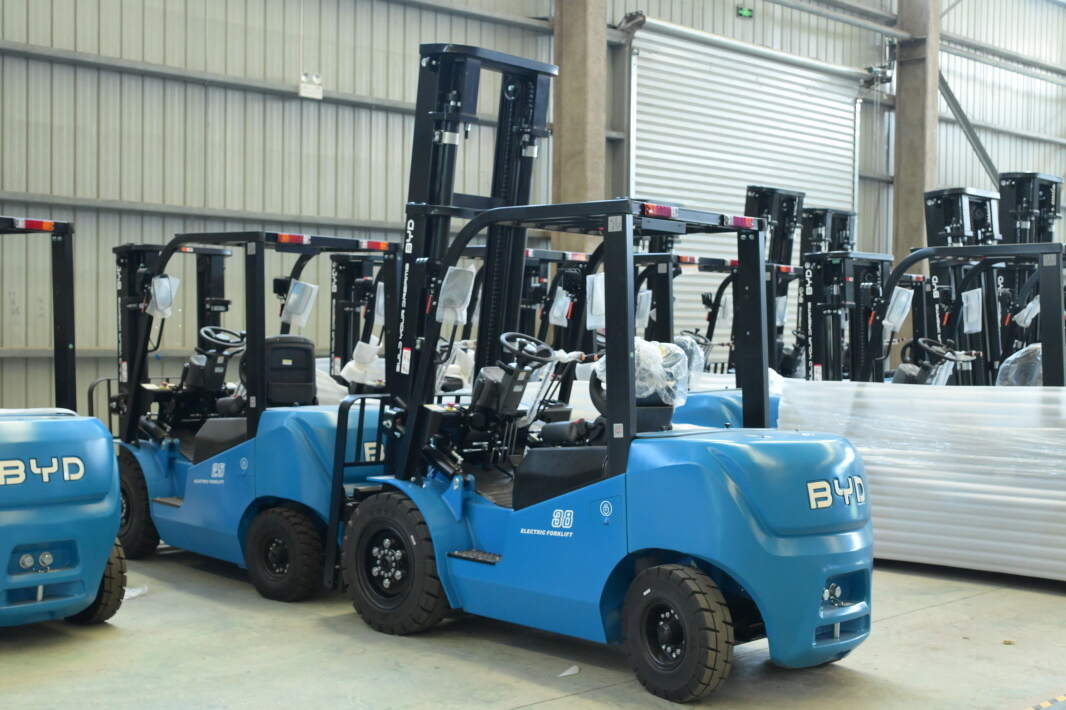
In modern warehouse and logistics scenarios, electric forklifts are widely applied for low-noise, zero-emission material handling tasks, and smooth team coordination among multiple electric forklift operators and other on-site logistics staff is the core premise to ensure stable, safe and efficient daily operation. Without standardized and effective communication, operators may encounter path conflicts, misaligned cargo information, missed safety risk reminders and other unnecessary problems in overlapping operation areas.
The first core skill is to establish standardized verbal communication specifications for daily routine scenarios. Before starting each handling task, operators need to confirm the specific cargo information, target shelf position and planned driving path with the scheduling staff or the colleague who hand over the task clearly, rather than accepting vague instructions that may lead to wrong operation. During the driving process in relatively quiet operation areas, operators can keep short and clear voice reminders to surrounding pedestrians and other forklift drivers when turning, passing crossings or entering blind areas, to avoid sudden collision risks. All operators should develop the habit of stopping the vehicle completely before communicating for detailed work information, instead of talking with others while driving to distract their attention.
The second key skill is to master unified non-verbal communication methods for high-noise or low-visibility working scenarios. In partial operation areas with high ambient noise or limited signal coverage for voice intercom, all team members should follow the pre-agreed gesture signals, flashing light reminder rules and whistle prompt specifications, to convey correct information such as "ready to start", "stop operation immediately", "cargo is unbalanced" and other key states without ambiguity. All new team members need to learn these unified non-verbal communication rules during pre-job training, to avoid information deviation caused by different personal habits.
The third important part is to build a smooth abnormal information notification mechanism. Once any operator finds potential risks such as ground slippery, hidden obstacles on the driving path, or minor abnormal conditions of the electric forklift during operation, they need to pass the information to all relevant on-site personnel through the group communication channel at the first time, rather than covering up small problems and leading to larger safety incidents. Regular short team communication drills every week can help all operators get familiar with different collaborative scenarios, optimize the existing communication flow, and continuously improve the overall coordination level of the whole electric forklift team.


