
 简体中文
简体中文 Русский
 Français
 Português
 Español
 لالعربية

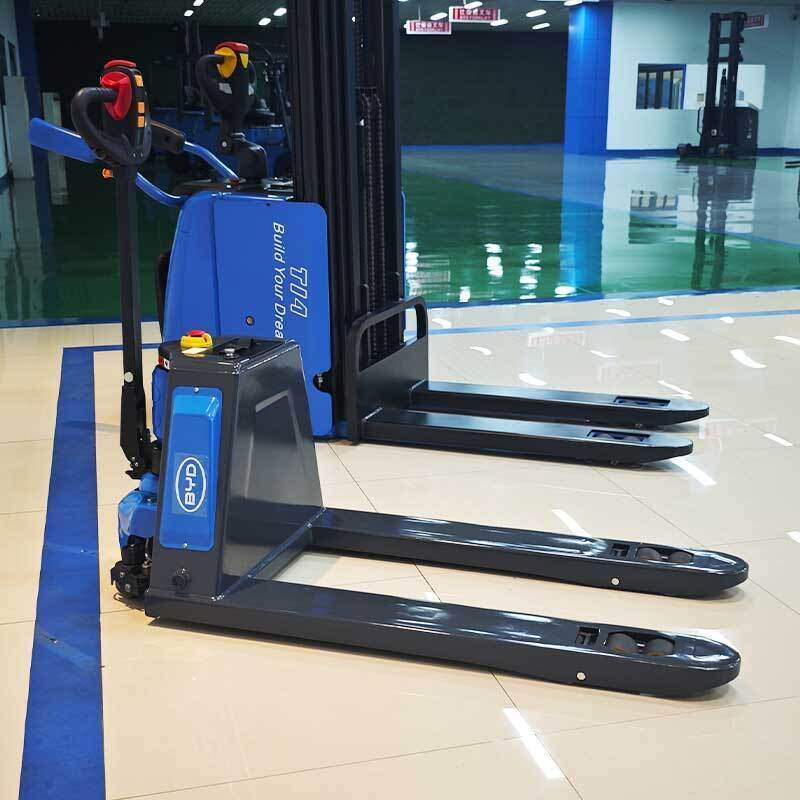
As the global logistics and warehousing sector continues to prioritize low-carbon operation and cost control, electric forklifts have gradually become one of the most widely applied core equipment for indoor and closed-site material handling scenarios. This professional guide, compiled by senior industry practitioners, shares down-to-earth practical knowledge for frontline operators and facility managers to gain more stable, long-term performance from their electric forklift fleets.
Core Operational Traits of Modern Electric Forklifts
Compared with traditional internal combustion powered handling equipment, modern electric forklifts produce much lower operation noise and zero on-site exhaust emission, making them highly compatible with scenarios that have strict requirements for working environment, such as closed food warehouses, pharmaceutical storage areas and precision component production workshops. Different load capacity grades can fit diversified working demands from light small parts transportation to heavy high-position pallet stacking, and there is no complex oil circuit or exhaust processing structure inside the main body, which lowers the threshold of basic daily management for enterprise teams.
Standardized Operation Guidelines to Lower Hidden Risks
Before starting each shift operation, operators need to make a basic check on the braking system, power display, lifting chain tension and surrounding working channel conditions, to confirm no obvious abnormal status exists. The actual carried load should be kept within the rated load range of the corresponding equipment, and operators are not suggested to make sharp turns or U-turns on sloped roads at will. If the carried cargo blocks the front sight during driving, operators can choose to move backward at low speed to keep full observation on the moving path, and regular skill refresh training for frontline teams can effectively reduce improper operation behaviors.
Routine Daily Maintenance Practices
After finishing daily working tasks, operators should park the equipment at the designated ventilated charging area, and avoid storing the vehicle under long-term underpowered status. Teams can regularly wipe off dust and sundries on the body surface and battery contact points, check the wear condition of solid tires regularly, and replace over-worn components in time. Following the cycle specified in the official user manual to conduct routine inspection for the hydraulic system and control system, and do not disassemble the original safety protection devices without authorization.
Efficiency Optimization Suggestions for Fleet Management
Facility managers can combine the daily working movement planning, assign electric forklifts with matched load capacity to corresponding working spots, so as to reduce the distance of no-load driving. It is also workable to build a unified operation and maintenance account, track the running time and loss status of each unit, and arrange preventive maintenance in advance to cut down the probability of unplanned downtime. Teams can also arrange energy replenishment during off-peak working periods, to guarantee sufficient equipment supply during peak operation hours.


