
 简体中文
 Русский
 Français
 Português
 Español
 لالعربية


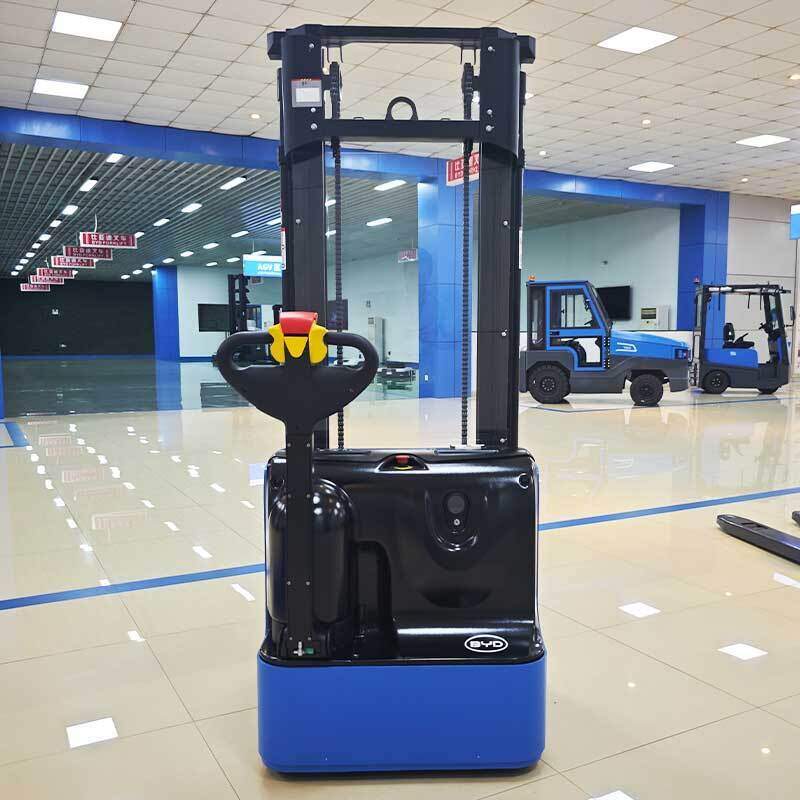
Electric forklifts have become widely adopted core equipment in modern material handling scenarios, with characteristics of low noise, zero local emission and flexible operation. Mastering standard operation rules and proper maintenance methods can effectively optimize operation efficiency, extend equipment service life and reduce potential safety risks in daily work.
Pre-operation Check Procedures
Before each starting operation, operators need to complete a series of basic inspection steps. First, confirm the remaining battery power to avoid sudden power failure in the middle of cross-scenario handling tasks. Then check the flexibility of the braking system, operation lever and steering mechanism, observe whether there is obvious deformation or crack on the surface of the forks, and clear the obstacles in the planned driving route in advance. Skipping these inspection steps may bring hidden dangers to subsequent operation processes.
Standard Operation Specifications
In the process of driving and handling, operators should keep smooth acceleration and deceleration, avoid sharp steering or sudden braking at high speed. When carrying loads, keep the cargo at a low height within 30 centimeters from the ground during driving, slow down and honk when turning, and pay close attention to the movement of surrounding passing personnel in narrow aisles. Do not exceed the rated load capacity of the equipment, and keep the load end facing the upper direction when driving on gentle ramps to avoid accidental slipping of goods.
Daily Routine Maintenance Suggestions
After the daily operation is finished, park the equipment in the designated fixed parking area, lay the forks flat on the ground, turn off the main power supply, and clean the dust and residual sundries attached to the body surface in time. Regularly check the connection terminals of the battery pack to avoid oxidation and poor contact, do not discharge the battery to extremely low power for a long time, and add proper lubricant to the movable joint parts according to the use frequency. For equipment that has been idle for a long time, replenish power at regular intervals to avoid permanent damage caused by long-term power loss.
Common Improper Use Behaviors to Avoid
Operators should not use the forks to pry heavy objects with extra force, do not stand on the forks to lift personnel without professional supporting safety platforms, and do not drive in the water accumulation area with depth exceeding one third of the tire height for a long time. These improper operation behaviors will accelerate the wear of core components and increase the probability of unexpected equipment failure. Following the above standardized operation and maintenance rules can help electric forklifts maintain stable working condition for a long time, and better match the actual demand of different material handling scenarios.


