
 简体中文
简体中文 Русский
 Français
 Português
 Español
 لالعربية

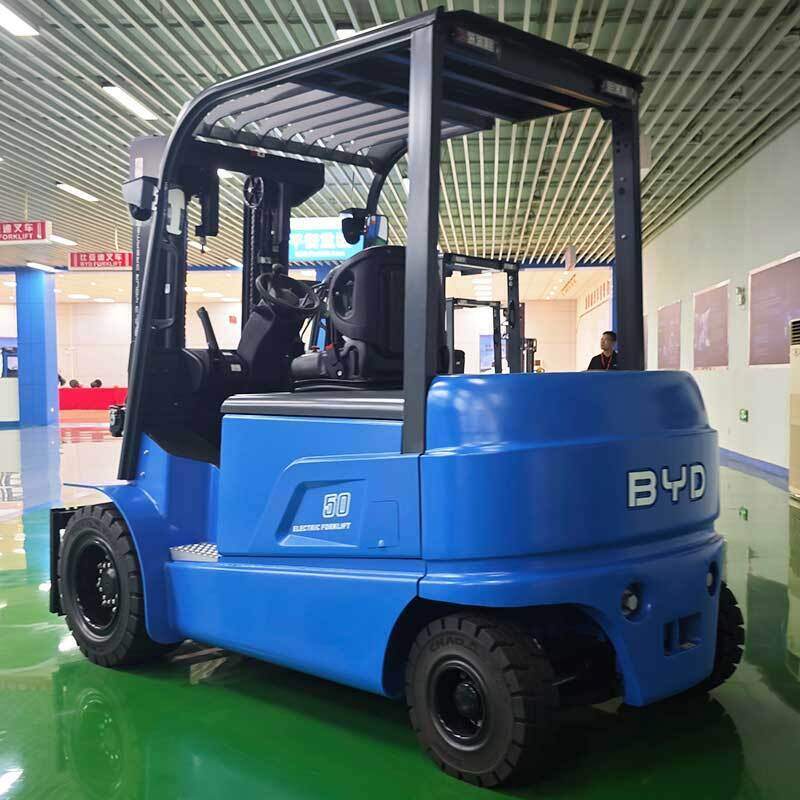
As the low-carbon logistics trend gains wider popularity across industrial and storage sectors, electric forklifts have gradually become a mainstream choice for indoor and closed material handling scenarios, bringing differentiated performance features compared to traditional internal combustion counterparts. This guide sorts out practical industry insights from long-term frontline application practices, to help relevant practitioners grasp core points of usage and management.
Core Performance Advantages of Electric Forklifts in Daily Application
Different from fuel-powered handling equipment, electric forklifts rely on rechargeable battery packs to provide power output, which produces almost no exhaust emissions during operation, making it suitable for enclosed spaces such as food storage workshops, pharmaceutical warehouses and retail distribution centers that have strict air quality requirements. The overall operating noise level of qualified electric forklift products is relatively low, which can reduce noise interference to surrounding staff during long-hour continuous shifts, and create a more comfortable working environment for on-site logistics teams. The power output adjustment mode of electric drive components is more sensitive, allowing operators to complete low-speed fine handling operations more smoothly when moving heavy goods in narrow aisle spaces.
Standard Operation Points to Guarantee Usage Safety
Before starting each shift, operators need to conduct a basic pre-check on the core components including brake system, steering structure, lifting mast and tire condition, to confirm no abnormal hidden troubles exist before formal operations. When carrying goods, practitioners should avoid unbalanced load placement that exceeds the rated load range of the equipment, and keep the goods 10 to 15 centimeters above the ground level during moving process to prevent goods from slipping and causing safety risks. When the equipment is running in pedestrian-intensive warehouse areas, operators need to control the driving speed at a reasonable range, and pay close attention to the surrounding dynamic conditions to avoid accidental collisions with shelves or passing staff.
Routine Maintenance Tips to Optimize Service Performance
After each daily operation cycle is completed, operators should park the equipment in the designated charging and storage area, turn off the power switch completely, and carry out necessary cleaning work on the surface of the equipment to remove dust and residual sundries accumulated during the handling process. For the battery pack that provides power support, relevant management personnel should arrange regular inspection on the electrolyte level and shell integrity according to official operation specifications, and avoid over-discharging or over-charging behavior that may cause unnecessary damage to the battery structure. Regular lubrication on the movable connecting parts of the lifting mast can effectively reduce component wear, and keep the lifting and descending process of the goods more stable during long-term use. Combining standardized operation and scientific maintenance management can give full play to the using value of the equipment, and steadily improve the overall operational efficiency of the on-site logistics system.


