
 简体中文
简体中文 Русский
 Français
 Português
 Español
 لالعربية

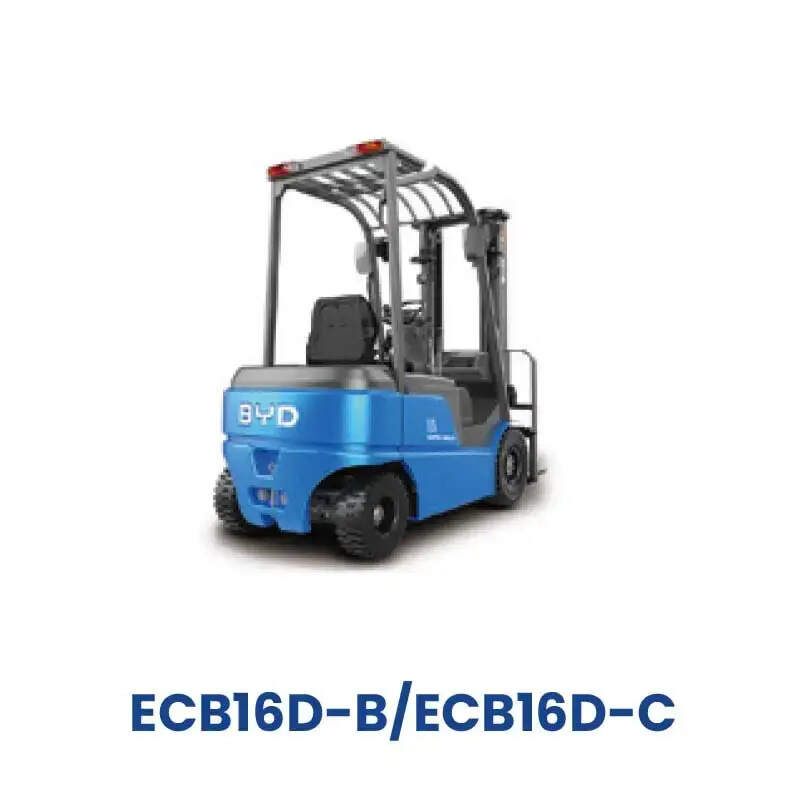
In recent years, electric forklifts have become one of the most widely adopted material handling equipment in various industrial and warehousing scenarios, as more enterprises prioritize low carbon emission, low operation noise and relatively stable usage performance in daily logistics processes. Unlike traditional internal combustion powered counterparts, electric forklifts deliver differentiated performance features that require users to grasp targeted operation and management rules to maximize their service value.
Core Advantages of Electric Forklifts in Common Application Scenarios
Most electric forklift models are designed with compact body structure, which allows them to operate smoothly in narrow warehouse aisles, limited indoor storage spaces and low-noise required working environments that are not suitable for fuel powered equipment. The zero local emission feature also helps enterprises meet the environmental protection assessment requirements in enclosed workspaces, and reduce the additional cost of waste gas treatment and ventilation facility upgrade in long-term operation. For long-duration daily usage scenarios, electric forklifts also bring relatively lower energy consumption cost per working hour compared to many other types of industrial handling equipment, which fits the cost control demands of most medium and large logistics teams.
Standardized Operation Rules to Reduce Unnecessary Wear
Operators need to complete systematic pre-job training before they officially take over the operation of electric forklifts. Before each shift, they should check the remaining power status, brake flexibility, lifting function and tire condition of the equipment, and avoid starting the machine when abnormal indicators are found. During the operation process, operators should avoid overloading the equipment beyond its rated load, and prevent sharp acceleration, sharp steering and frequent sudden braking behaviors that may cause extra impact to the motor and battery pack. It is also not recommended to leave the equipment with full load parked on a sloped surface for a long time to avoid potential safety risks and structural damage.
Daily Maintenance Tips to Extend Service Life
Regular daily maintenance work can effectively prolong the overall service cycle of electric forklifts and reduce unexpected downtime caused by equipment failure. For the power supply system, users should follow the official guidance of the equipment to complete charging operations in suitable temperature environments, and avoid over-discharging the power pack to extremely low level for a long time. Operators also need to regularly clean the dust and debris accumulated on the surface of the motor, heat dissipation components and body shell, check the tightness of each connecting component, and arrange professional technical personnel to conduct overall inspection on the whole equipment at regular intervals. Enterprises can also formulate targeted usage management rules according to their actual working scenarios, to make the electric forklift system match the daily material handling rhythm better, and create higher operational value for the whole logistics process.


