
 简体中文
 Русский
 Français
 Português
 Español
 لالعربية


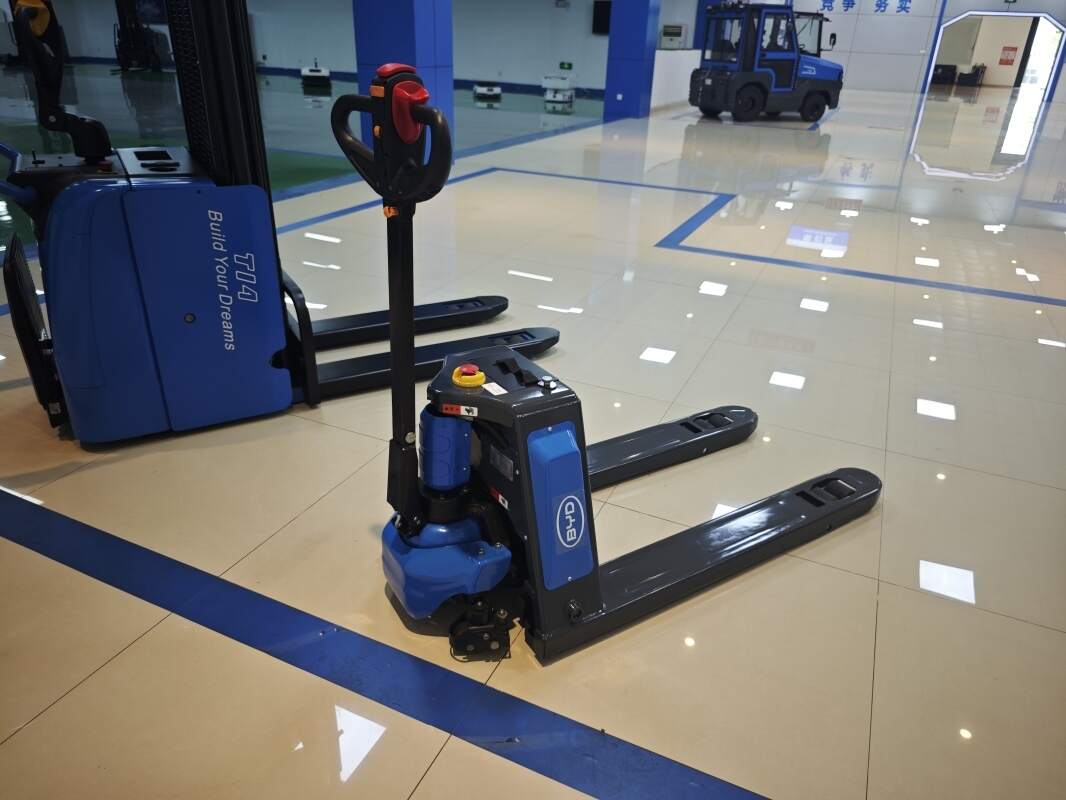
Against the background of expanding low-carbon logistics and industrial storage demand, electric forklifts have become one of the most widely adopted material handling equipment in various industrial scenarios. With years of in-depth research in this segment, we sort out systematic, easy-to-practice practical knowledge to help relevant practitioners grasp core usage points without redundant obscure technical jargon.
Core Operation Specifications for Daily Shift Use
Operators need to complete standard pre-start inspection before each working shift, including checking remaining battery level, tire wear status, brake sensitivity and lifting mechanism flexibility. Overload operation is not allowed in the whole working process, and operators should avoid frequent sudden acceleration or sudden braking to reduce extra wear of core components. When operating in narrow warehouse aisles, personnel need to keep a safe distance with surrounding shelves and passing staff, and activate the prompt sound in advance when turning to avoid unnecessary collision risks.
Routine Maintenance Points to Extend Equipment Service Life
Regular cleaning of dust and residual cargo debris on the motor and electrical connection points is a basic maintenance step, which can effectively avoid poor contact caused by long-term dust accumulation. It is not recommended to drain the power battery completely during each use, and supplementary charging can be carried out when the remaining power stays at 20% to 30% to prolong the overall cycle life of the battery pack. The lubrication points of the lifting gantry and transmission mechanism should be added with special lubricating grease on schedule according to the specified cycle, to reduce friction loss between metal parts in long-term operation.
Scenario Adaptation Optimization Suggestions
For low-temperature operating environments in high-latitude areas, operators can properly preheat the battery for 3 to 5 minutes before starting the device, to avoid the situation that instantaneous output power cannot meet normal handling demand. For enclosed food processing or pharmaceutical workshop scenarios, electric forklifts with no exhaust emission can well meet on-site environmental hygiene requirements, and regular disinfection of the equipment body surface can meet the access standards of special clean scenarios.


