
 简体中文
 Русский
 Français
 Português
 Español
 لالعربية


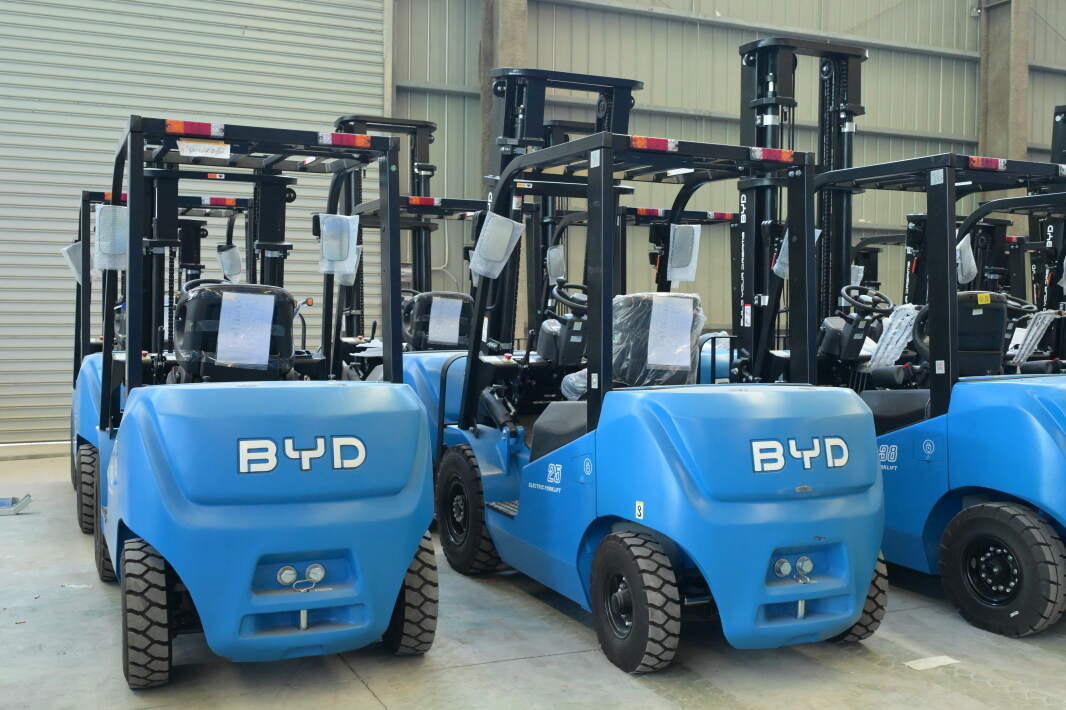
As low-carbon logistics development gains widespread popularity across industrial sectors, electric forklifts have become one of the most widely adopted material handling equipment in modern warehouses, distribution centers and manufacturing production lines. Different from traditional internal combustion handling tools, electric forklift units rely on electric power drive, which fits well with the current requirements of low emission, low noise and low operating cost for on-site operation.
Core Performance Features of Electric Forklifts for Scenario Adaptation
Most standard electric forklift models can support different load capacity grades from 1 ton to 5 tons, and their flexible body design can adapt to narrow aisle operations, indoor closed space operation and other scenarios where fuel emission and noise levels are strictly restricted. The power output system of well-designed electric forklifts can provide stable traction and lifting force, which can meet the demands of horizontal cargo transportation, high-position stacking, loading and unloading of trucks in daily logistics workflows, without generating excessive exhaust gas or disturbing on-site working staff with continuous loud noise.
Routine Maintenance Best Practices for Long-term Stable Operation
Reasonable daily maintenance work can effectively reduce unexpected equipment failure rate, and extend the overall service cycle of the whole unit. Operators are suggested to conduct pre-shift inspection on core components including power system, brake assembly, lifting mechanism and tire wear condition before each operation shift, and clean the dust and sundries attached to the surface of the power connection parts on a regular basis to avoid poor contact caused by accumulated dirt. It is also necessary to follow official guidance to complete regular power cycle calibration for the energy storage module, and place the equipment in dry, ventilated and temperature-suitable storage area when it is not in use for a long period.
Standard Operation Rules to Guarantee On-site Safety
All operating personnel need to receive professional skill training before they get permission to operate electric forklifts, and they need to strictly follow on-site traffic management rules of the working area during operation. Operators should avoid overloading the equipment beyond the rated load limit, keep proper driving speed when turning or moving in areas with dense pedestrian flow, and check the surrounding blind spots carefully before lifting or stacking goods at high positions. After finishing each operation shift, operators should fully lower the lifting fork, cut off the main power supply of the equipment, and park the vehicle at the designated special parking area. With proper use and regular maintenance, electric forklifts can create stable and considerable value for material handling work in different industrial scenarios, bringing smoother operation experience and more controllable operating cost for logistics teams.


