
 简体中文
 Русский
 Français
 Português
 Español
 لالعربية


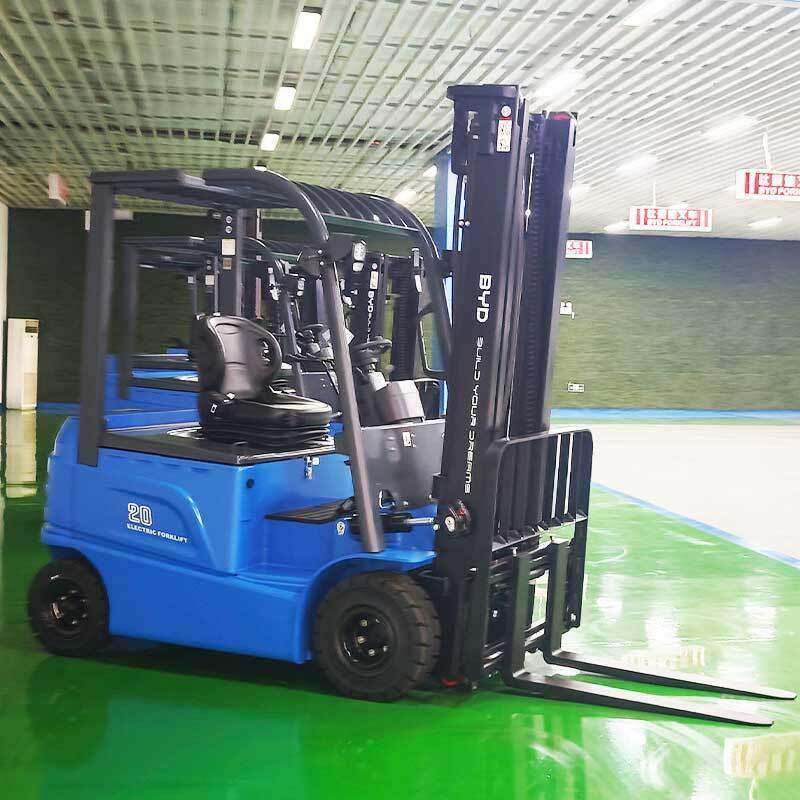
As the global industrial material handling sector gradually shifts to low-carbon, cost-effective operation modes, electric forklifts have become one of the most widely adopted handling equipment in various indoor and semi-indoor working scenarios. Mastering systematic knowledge of electric forklift use can help operators avoid unnecessary operational risks, reduce equipment wear, and bring stable returns for long-term operation.
Basic Operation Specifications for Electric Forklifts
Operation of electric forklifts needs to follow standardized procedures before starting, during driving and after parking. Before starting the equipment, operators need to check the power level, brake sensitivity, tire condition and the flexibility of the lifting system, to eliminate hidden troubles in advance. During the driving process, operators need to keep a proper distance from surrounding goods and personnel, adjust driving speed according to the ground condition, and avoid sharp turning or sudden braking on slippery slopes. When lifting or unloading goods, it is necessary to keep the center of gravity of the goods within the allowable load range of the equipment, to prevent side tipping or goods falling that may cause unnecessary loss.
Daily Maintenance Points for Electric Forklifts
Daily regular maintenance is a core link to maintain the stable performance of electric forklifts. For the power system, operators need to arrange charging in strict accordance with the equipment’s specified parameters, avoid over-discharging the power core for a long time, and clean the dust on the surface of the power module on a regular basis. For the walking and hydraulic lifting system, it is necessary to check the lubrication condition of the transmission parts regularly, replenish professional lubricating oil and hydraulic fluid as required, and replace the worn sealing parts in time. For the body and electrical control system, operators can wipe the accumulated stains on the surface regularly, avoid the infiltration of moisture into the control panel, and arrange professional personnel to conduct regular fault detection for the internal circuit.
Scenario-based Efficiency Optimization Methods
Different working scenarios can match targeted operation adjustment methods to maximize the use value of electric forklifts. For small and medium-sized warehouse scenarios with narrow passages, operators can adjust the turning speed and load limit reasonably according to the channel width, and arrange the goods storage location to reduce unnecessary long-distance repeated handling. For large logistics distribution centers, enterprises can make a reasonable shift arrangement of equipment use according to the peak period of goods incoming and outgoing, to avoid the full load operation of single equipment for too long. For low-temperature or high-humidity working environments, users can add corresponding protective measures for the core components of the equipment according to the actual environment, to reduce the impact of adverse environmental factors on equipment performance.


