
 简体中文
 Русский
 Français
 Português
 Español
 لالعربية


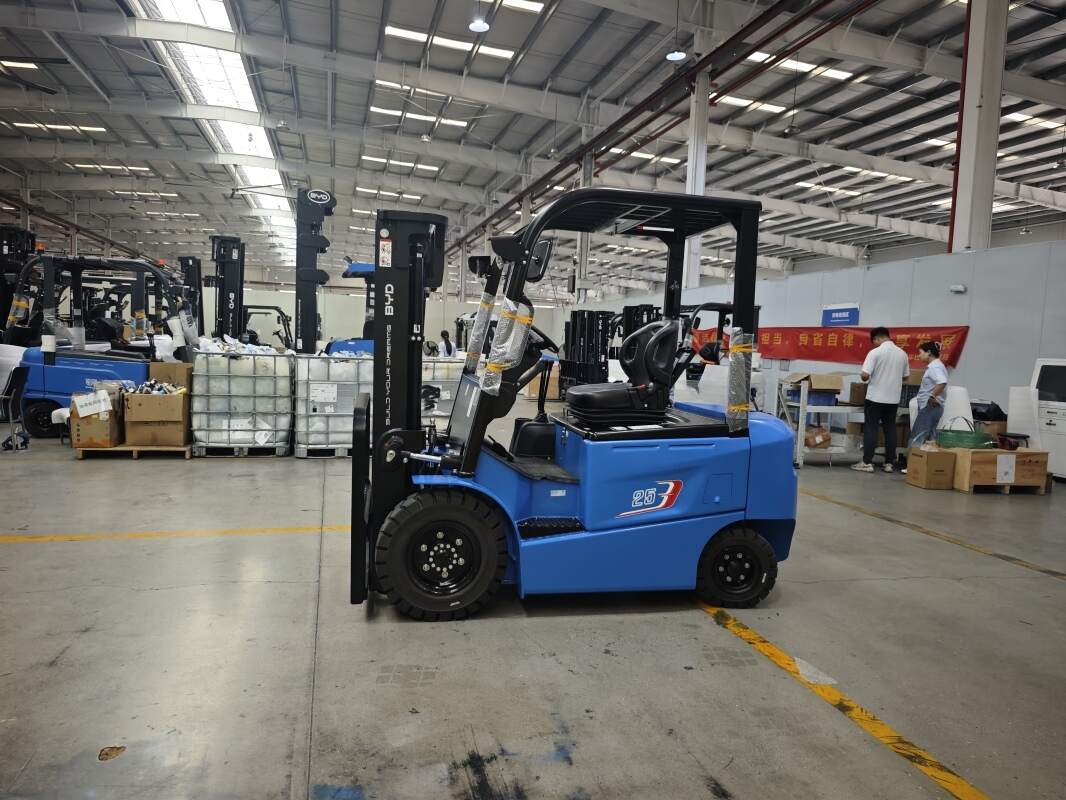
As a veteran practitioner with years of experience in the electric forklift industry, I have accumulated lots of practical insights that can help relevant personnel in the logistics and manufacturing sectors grasp core operation points of this equipment, avoid common misoperations, and maximize its working value in daily scenarios.
Core Performance Features of Modern Electric Forklifts
Different from traditional internal combustion counterparts, electric forklifts rely on stored electrical energy to drive the lifting and walking system, which produces far less noise and no exhaust emissions during operation. This feature makes them highly suitable for enclosed indoor working spaces such as standard warehouses, food processing workshops, and pharmaceutical storage areas where air quality requirements are relatively strict. Most current models have compact body designs, which can operate flexibly in narrow aisles with a width of no more than 3 meters, and can meet the basic lifting demand of goods within a certain load range for daily turnover work.
Standard Operation Specifications for Daily Use
Before starting each shift, operators should conduct a simple pre-check, including confirming the remaining power level, checking the flexibility of the lifting handle and braking system, and verifying that there is no abnormal oil leakage or part loosening on the body structure. During the operation process, operators should keep the load center within the allowable range marked on the equipment nameplate, avoid sudden acceleration or sharp steering when carrying loads, and do not stand under the lifted forks for long time to reduce unnecessary safety risks. It is also not recommended to overload the equipment for a long time, which will cause extra wear on the motor and transmission parts.
Routine Maintenance Tips for Long-term Stable Use
Regular maintenance work can effectively prolong the service cycle of electric forklifts and reduce unexpected downtime. Users should wipe the surface of the battery components regularly to avoid dust accumulation affecting heat dissipation effect, and charge the equipment in a cool and dry ventilated environment as much as possible. It is also necessary to regularly check the wear degree of the walking wheels and the lubrication status of the lifting connection parts, and arrange professional personnel to troubleshoot potential hidden problems on a regular basis, so as to keep the equipment in a good working state for a long time and create more stable value for daily material handling work.


