
 简体中文
 Русский
 Français
 Português
 Español
 لالعربية


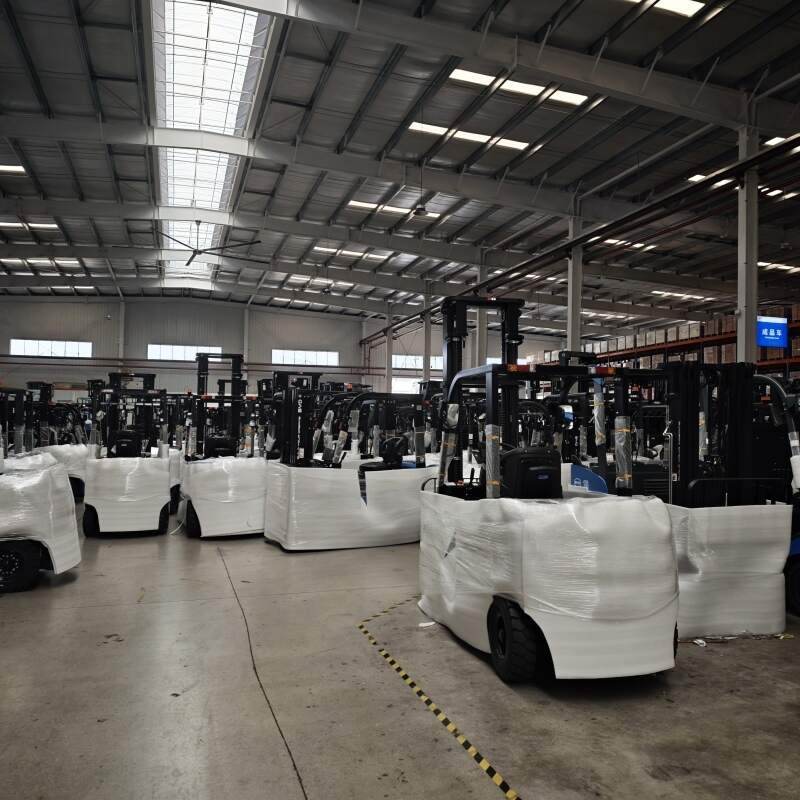
With the continuous promotion of low-carbon logistics concepts across the industrial sector, electric forklifts have become one of the most widely used material handling equipment in indoor warehouses, manufacturing workshops and distribution centers in recent years. Understanding the core usage rules and maintenance logic of such equipment can help operators give full play to its inherent performance advantages while avoiding unnecessary operation risks.
Core Daily Operation Specifications
Unlike internal combustion forklifts that rely on fossil fuel, electric forklifts are powered by on-board energy storage units, so operators need to check the remaining power level before each shift to avoid sudden power outage in the middle of high-intensity handling tasks. Operators should also complete pre-operation checks of brake systems, steering sensitivity, lifting chain tightness and wheel wear status before formal operation, and do not carry overloaded goods beyond the rated load range during the whole operation process. For narrow channel operation, operators need to keep a safe distance between the body and surrounding shelves or stacked goods to avoid scratching the equipment or stored materials.
Routine Maintenance and Care Tips
Regular daily maintenance can effectively reduce the failure rate of electric forklifts and prolong the overall service cycle of core components. After each daily operation, operators should wipe off the dust, oil stains and residual sundries on the surface of the equipment, check the interface of the energy storage unit to ensure no corrosion or poor contact, and park the equipment in a designated ventilated and dry area for charging as required. It is not recommended to store the equipment in an environment with extreme high temperature or heavy moisture for a long time, which may cause potential damage to the internal circuit and energy storage system. Professional maintenance personnel can conduct regular deep inspection of the motor, control system and hydraulic lifting structure according to the actual usage frequency of the equipment.
Scenario Adaptation Optimization Suggestions
Different application scenarios have different requirements for the performance parameters of electric forklifts. For high-frequency continuous operation scenarios such as large-scale distribution centers, users can arrange reasonable shift handover and charging plans to ensure continuous operation without affecting the overall logistics efficiency. For narrow channel storage scenarios, operators can adjust the running speed of the equipment to a low and stable level to improve operation safety. For indoor workshop scenarios with high requirements for no exhaust emission and low noise, electric forklifts can meet the daily handling needs well.


