
 简体中文
简体中文 Русский
 Français
 Português
 Español
 لالعربية

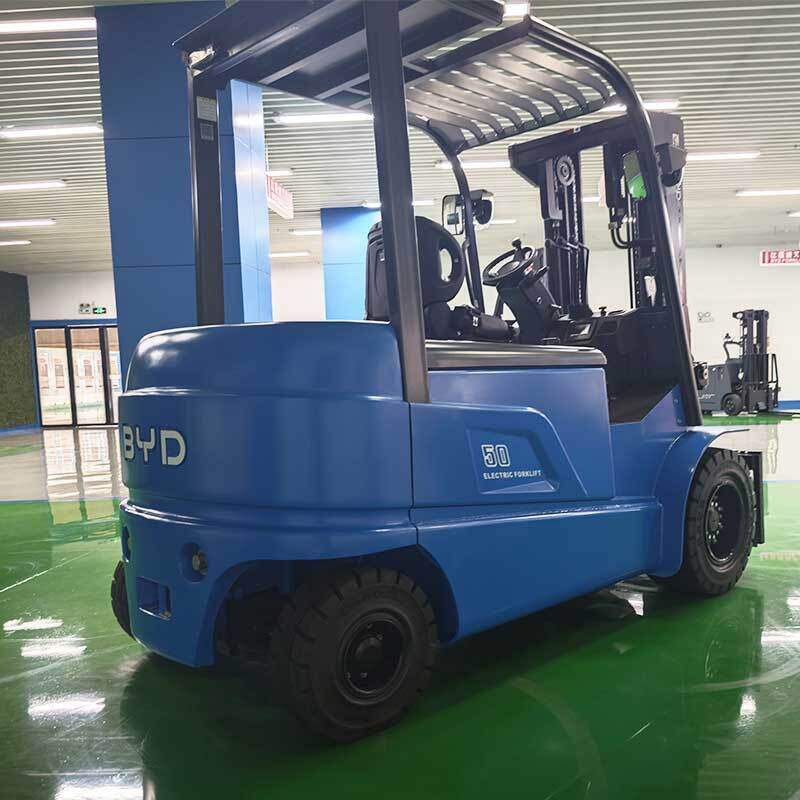
Many enterprises that introduce new electric forklift fleets often overlook the matching degree between existing site conditions and vehicle operation requirements in the early stage, which cannot give full play to the low noise, flexible maneuverability and low energy consumption advantages of electric forklifts, and even cause unnecessary operation congestion. Professional electric forklift suppliers can provide systematic full-cycle support for on-site layout planning to help customers build a scientific and smooth material handling system.
The first core support link is full-coverage on-site survey and basic data collection. The professional service team of the supplier will arrive at the operation site in advance to measure all key parameters related to forklift operation, including clear width of all access channels, maximum load and height limits of storage shelves, specific location and height of loading and unloading platforms, average daily handling volume and peak operation density, accessible space for setting up charging areas, and current passage restrictions of personnel and goods. All data comes from actual on-site measurement, rather than applying universal templates, which can avoid hidden problems such as insufficient passage space that may cause forklift operation jams in subsequent operation.
The second key support is customized layout scheme formulation that matches the selected fleet parameters. The supplier team will combine the specific size, turning radius and load limit of the selected electric forklift models to plan independent traveling routes for heavy-load handling and empty-vehicle return, to avoid cross congestion of forklifts with different operation directions. The team will also reasonably delineate the exclusive charging and parking area at the edge of the core operation route, which will not occupy the main handling passage, and can ensure that operators can get nearby idle forklifts quickly. Corresponding temporary stop points for forklifts will be set according to the operation rhythm of different shifts, to greatly reduce redundant driving distance.
The third practical support is scheme simulation and adjustment verification. The supplier will import the drafted layout scheme into the digital simulation system to restore the operation flow of different peak periods, find out potential congestion points and operation blind areas in advance, and communicate with the customer's on-site operation team for targeted adjustment. For links with special operation demands, it will also reserve enough flexible space for special-size goods access, to ensure the scheme fully adapts to the actual operation situation.
After the layout scheme is fully implemented, the supplier will also provide continuous tracking service in the first 2 to 3 operation cycles, collect actual operation feedback, assist the customer to adjust local layout details according to the subsequent business expansion, and provide targeted operation guidance for on-site staff to help the whole team adapt to the new operation rhythm quickly, to steadily improve the overall operation efficiency of the electric forklift fleet.


