
 简体中文
简体中文 Русский
 Français
 Português
 Español
 لالعربية

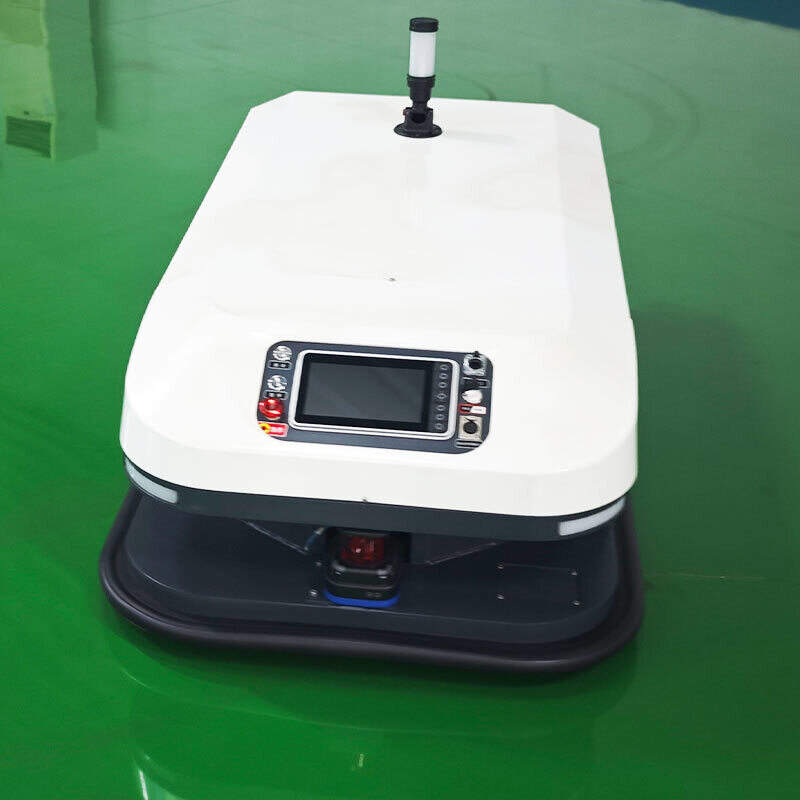
Against the background of growing demand for low-carbon and safe industrial logistics, electric forklifts have become one of the most widely used material handling equipment in indoor factories, retail warehouses and food processing workshops in recent years. Mastering systematic operation and maintenance knowledge can help relevant practitioners give full play to the product performance of electric forklifts in daily work.
Core Performance Advantages of Electric Forklifts in Material Handling
Different from traditional internal combustion handling equipment, electric forklifts produce no exhaust emission during operation, which avoids the pollution of harmful gas to indoor closed working environment, and reduces the requirement for special ventilation system in indoor operation scenarios. The noise generated during normal operation is much lower than that of internal combustion equipment, which can effectively reduce the noise interference to surrounding staff and meet the occupational health management requirements of most processing workshops. The energy consumption per unit running hour is relatively stable, which will not produce extra cost fluctuation caused by fuel price change, bringing relatively controllable operation expenditure for logistics teams.
Standardized Operation Rules to Avoid Hidden Safety Risks
Before starting the equipment every day, operators need to complete the pre-operation inspection as required, including checking the remaining battery power, flexibility of steering mechanism, sensitivity of brake system, and the connection tightness of fork fixing parts. During operation, the actual load carried shall not exceed the rated load specified in the product specification, and the driving speed shall be reduced in time when passing through narrow passages, turning, or driving on uneven and wet road surfaces. It is not allowed to carry personnel on the fork or lift the fork to transport suspended people, so as to avoid accidental fall risks. Operators need to receive professional pre-job training before taking up the post, and get familiar with the operation logic of different control modules of the equipment.
Routine Maintenance Measures to Extend Equipment Service Life
For daily maintenance work, the surface dust and sundries of the battery, control panel and heat dissipation module should be cleaned regularly to avoid the blockage of heat dissipation holes that may cause abnormal temperature rise of core components. Operators should follow the official specifications to complete battery charging operation, avoid frequent overcharging or deep power loss of the battery, and check the liquid level of the battery for models that need to add electrolyte regularly. Regular inspection of tire wear degree and sealing performance of hydraulic oil circuit can timely find hidden leakage risks of hydraulic power system, and avoid sudden failure of the equipment during heavy load operation. Following the above operation and maintenance rules can help teams maintain stable running state of electric forklifts for a long time, improve the overall turnover efficiency of cargo handling, and adapt to the diversified use demands of different industrial scenarios.


