
 简体中文
简体中文 Русский
 Français
 Português
 Español
 لالعربية

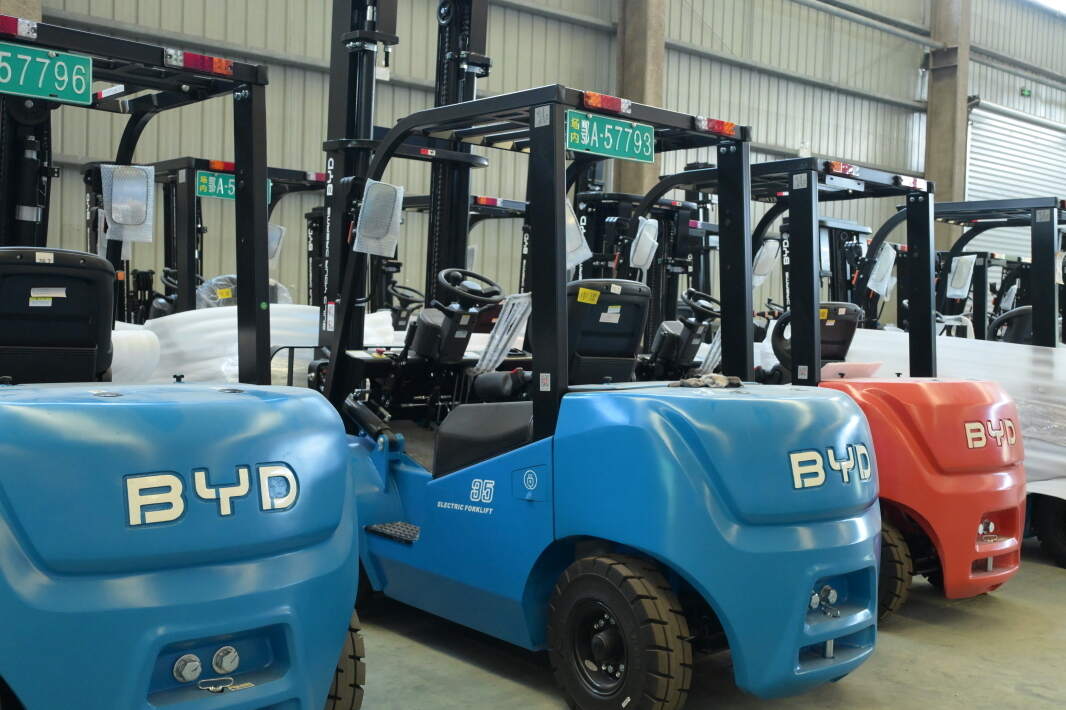
As a professional practitioner focusing on electric industrial handling equipment, we have accumulated abundant experience serving manufacturing clients including auto-parts factories, and this reference content is compiled based on the actual operation characteristics of auto-parts production scenarios.
First of all, it is necessary to complete the pre-investigation of self-operation scenarios before formal procurement. Different from ordinary light storage scenarios, auto-parts workshops need to handle various types of materials including stamping blanks, plastic interior parts, powertrain components and finished packaged spare parts, with a wide span of load weight, and the operation links cover raw material warehouse, production line side feeding area, semi-finished product turnover zone and finished product delivery area. Procurement teams need to sort out core indicators including the maximum load of daily handling, the minimum width of fixed operation channels, the required maximum lifting height for goods stacking, the average daily continuous operation duration, and the flatness of workshop ground, as well as special requirements such as low noise and zero emissions for closed production workshops, to exclude products that cannot match basic usage conditions.
The second step is to carry out multi-dimensional verification of core performance of candidate products. It is not recommended to judge product applicability only by nominal parameters on the specification sheet. Buyers can arrange on-site test operation under real working conditions, check the steering flexibility under full load state, the actual battery duration after 4 hours of continuous operation, the response sensitivity of the braking system, and the ergonomic design of the operating lever to reduce the long-term operation fatigue of front-line operators. It is also necessary to confirm the accessibility of vulnerable part replacement and the coverage of local maintenance service points, to avoid long waiting time for fault repair that will disrupt the normal production rhythm.
The third key point is to calculate the total cost of the whole life cycle rather than only compare the initial purchase price. The operation cost of electric forklifts in 3 to 5 years of service period includes power consumption cost, regular maintenance cost, battery maintenance or replacement cost, as well as the residual value of the equipment when it is eliminated. A product with slightly higher initial price but lower subsequent operation and maintenance cost may have better comprehensive cost performance, which can avoid extra hidden expenditure in the later stage.
Finally, the compliance of the equipment should be checked to confirm that the product meets the relevant national safety specifications for industrial vehicles, the supporting safety configurations including warning lights and reversing prompts are fully equipped, and the supplier can provide standardized operation training for on-site operators, which can effectively reduce the potential safety risks in the daily operation process.


