
 简体中文
简体中文 Русский
 Français
 Português
 Español
 لالعربية

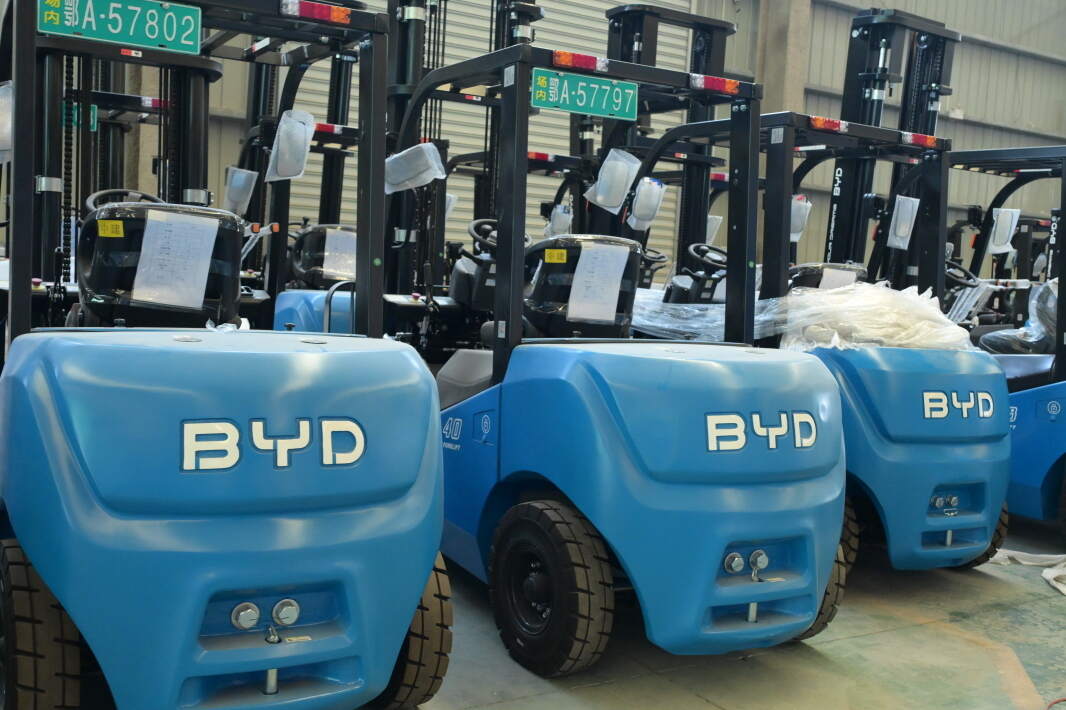
When warehouse operators start to procure electric pallet trucks for daily material handling work, most professional vendors will provide complete bundled solutions instead of only offering the device itself. These packages usually combine core equipment, after-sales support, spare parts supply, operation training and other value-added services, which can bring much more stable operation experience than purchasing separate services from different channels. However, many procurement staff find it hard to make fair comparisons between different offers, since the items included in each package are quite different.
The first step to finish a valid comparison is to set a unified demand benchmark before checking specific offers. You need to sort out quantifiable operation indicators of your own site first, including daily average working hours, maximum load weight of regular goods, site ground condition, passage width, special requirements for low-temperature or humid working environment. You can mark these basic requirements as the first screening threshold, and eliminate offers that can not meet these hard demands first, to avoid being distracted by redundant additional functions that you never need.
The second step is to split every bundled offer into independent modules and evaluate the actual value of each part respectively. For the core electric pallet truck device, you can check key indicators including battery cycle life, motor protection grade, standard warranty period of the whole vehicle. For the supporting service modules, you need to confirm the coverage range of free on-site maintenance, emergency response time for breakdown, number of free routine inspection services per year, content of pre-equipped spare parts package, long-term pricing of consumable parts, and arrangement of operation and basic maintenance training for front-line workers.
The third step is to calculate the full lifecycle comprehensive cost instead of only focusing on the initial one-off payment. You can take 3 to 5 years of normal operation cycle as the calculation range, sum up all possible expenditure including follow-up battery replacement cost, paid maintenance service charge, consumable purchase cost, and check the compensation clauses for operation downtime caused by equipment failure, to get the average cost per working hour of different offers.
In the final stage, you can verify the actual service delivery capacity of shortlisted vendors, by referring to their real cooperation cases with local warehouse clients of similar scale, to confirm they have sufficient local service team to support the promised service clauses. Through the above systematic comparison process, you can select the most cost-effective solution that perfectly fits your actual operation needs.


