
 简体中文
简体中文 Русский
 Français
 Português
 Español
 لالعربية

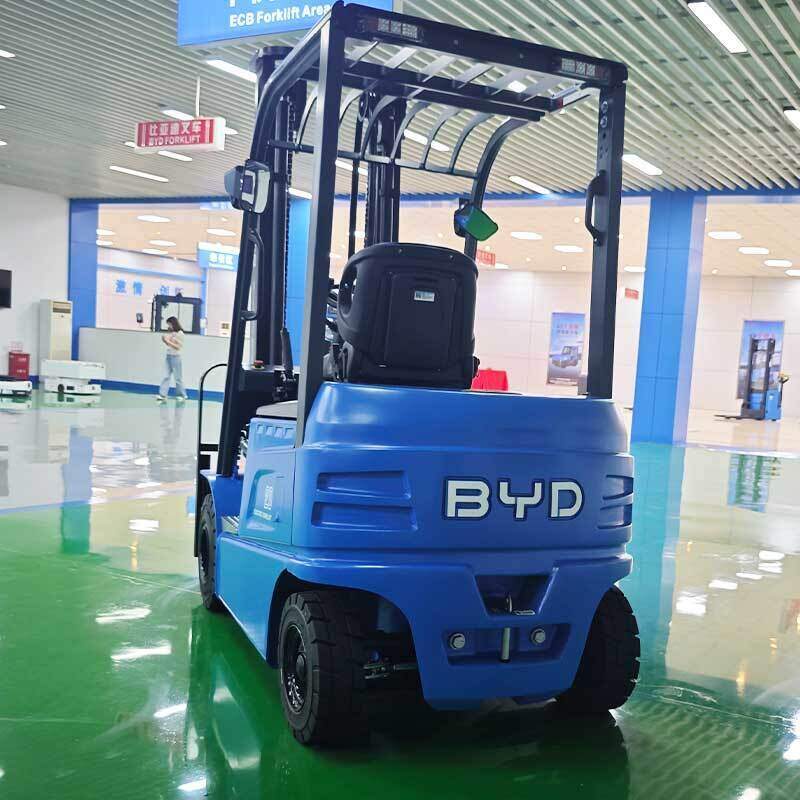
For a long time in the past, the heavy-duty handling scene has always been dominated by fuel-based handling equipment. Such equipment generally has problems such as large exhaust emissions, high operating costs, and cumbersome daily maintenance processes, making it difficult to adapt to the development needs of the current green transformation in the industrial field. With the iterative upgrading of power battery technology and heavy-duty power control systems, the comprehensive performance of large-tonnage electric forklifts has made a qualitative leap, gradually breaking the previous industry's inherent impression of "heavy-duty fatigue and insufficient battery life" of electric equipment. At present, large-tonnage electric forklifts have successfully landed in various high-load operation scenarios such as port container transshipment, heavy-duty material handling in large manufacturing plants, bulk commodity warehousing, loading and unloading, etc., which can not only stably complete heavy-duty handling tasks of several tons or even tens of tons, but also achieve zero exhaust emissions. The daily energy consumption cost is much lower than that of fuel equipment of the same level. At the same time, it simplifies the maintenance process of traditional internal combustion equipment and greatly reduces long-term operation and maintenance investment. In response to the differentiated needs of different scenarios, the current large-tonnage electric forklifts on the market are also equipped with customized battery life solutions and intelligent scheduling systems, which can adapt to 24-hour uninterrupted continuous operation requirements, without worrying about power output instability, battery life faults and other issues. Compared with traditional heavy-duty handling equipment, the full life cycle cost advantage of large-tonnage electric forklifts is very prominent. At the same time, it fully meets the low carbon emission requirements of industrial production in various places. It can be directly put into use without additional modification of the operation support of the factory area. It is becoming the first choice for more and more heavy-duty scene users to replace old fuel handling equipment. It also brings a new development direction to the entire industrial heavy-duty logistics track, helping the whole industry to achieve the dual goals of cost reduction and efficiency increase and green transformation.


