
 简体中文
简体中文 Русский
 Français
 Português
 Español
 لالعربية

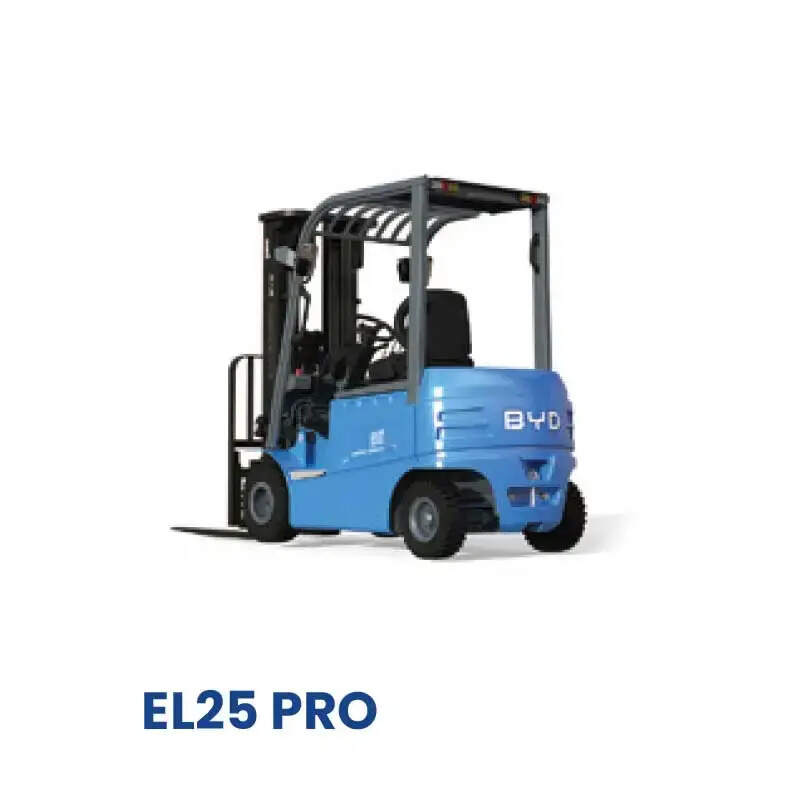
In recent years, the domestic warehousing and logistics, manufacturing circulation and other fields of handling demand continued to upgrade, global environmental control requirements continue to tighten, the use of traditional internal combustion forklift scenarios gradually increase the degree of limitation, electric forklift with low noise, zero emissions, low cost of operation and maintenance of the core advantages, market penetration rate has been rising year after year, has become the mainstream choice of industrial handling equipment track.
With the continuous maturation of domestic lithium battery industry technology, lithium-ion has become the most important development direction of the current electric forklift industry. Compared with traditional lead-acid battery-powered electric forklifts, lithium-ion electric forklifts have faster charging speed, more stable battery life, longer overall service life, and do not need to do cumbersome maintenance work such as fluid replenishment and discharge calibration on a regular basis. They are perfectly adapted to high-load handling scenarios with multiple shifts, which can greatly reduce the cost of the whole life cycle of enterprises.
At present, many downstream high-demand application scenarios, such as large-scale e-commerce warehousing hubs, food and medicine production workshops, and low-temperature cold chain handling scenarios, have extremely high requirements for zero emissions and no pollutant leakage of handling equipment. Lithium-ion electric forklifts can fully meet the use standards of such harsh scenarios. Some products equipped with intelligent management modules can also count equipment operation data and remaining power in real time to help managers optimize vehicle scheduling efficiency and further release the operational potential of industrial handling.
From the perspective of the long-term development of the industry, with the continuous advancement of the dual-carbon goal, green support policies for industrial vehicles have been implemented in various places, and the technological iteration speed of lithium-ion electric forklifts will be further accelerated. In the future, products with higher safety, longer battery life, and better adaptability to sub-scenarios will continue to land, driving the entire electric forklift industry towards a green, efficient, and intelligent direction, and also bringing more new development opportunities for upstream and downstream industry chain participants.


