
 English
 简体中文
简体中文 Русский
 Português
 Español
 لالعربية

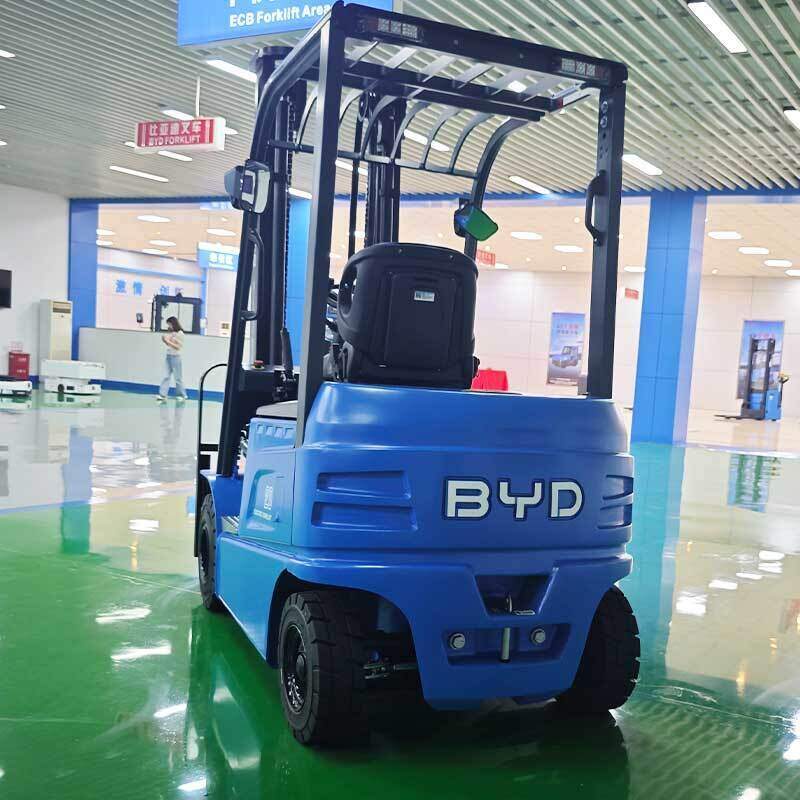
In daily warehouse operation scenarios, the standardization of parking and charging operations for electric pallet trucks directly affects the service life of equipment, on-site personnel safety and overall operation efficiency, many on-site operators tend to ignore minor details in these two links, which easily cause unnecessary equipment wear or hidden safety risks. Carrying out systematic and standardized operator drills for parking and charging etiquette is an effective way to cultivate good operation habits for all frontline staff.
The whole parking drill is divided into two progressive stages. The first stage is pre-parking observation drill: operators need to practice reducing driving speed 3 meters in advance when approaching the designated parking area, carefully check whether there are stacked goods, passing personnel or sundries on the ground in the target parking area, confirm that the ground is flat without obvious accumulated water or oil stains, and confirm that the parking position will not block the passage of fire exits or other operation vehicles. The second stage is standard positioning parking drill: operators need to lower the forks of the vehicle to the lowest position steadily, align the body parallel to the pre-marked parking line, make sure the whole vehicle is completely within the designated parking frame without any part extending out of the boundary, turn off the operation handle to the neutral position before cutting off the power, and pull up the parking brake stably. Trainees are required to complete consecutive standard parking operations without mistakes to pass the basic assessment, so as to form stable muscle memory of correct operation.
The charging etiquette drill focuses on standardized operation sequence and public order maintenance. Operators are required to close the whole vehicle power supply first after driving the vehicle to the special charging area, wipe off dust and water stains on the surface of the charging port, do not insert or pull out the charging plug with wet hands, confirm that the buckle of the plug is completely locked after inserting, and then connect the power supply end. During the charging period, operators need to regularly check the status of charging cables to avoid the cables being rolled by vehicles or entangled on the legs of surrounding shelves. After the vehicle is fully charged, operators should disconnect the power supply end first then pull out the plug, cover the waterproof protective cover of the charging port, and move the vehicle back to the public idle parking area in time to reserve the charging position for other devices that need to be charged.
Regularly carrying out these targeted drills can effectively reduce the collision damage of electric pallet trucks, avoid safety hazards such as overheating of charging lines caused by non-standard operations, maintain the orderly operation of the whole warehouse site, and reduce unnecessary operation and maintenance costs.


