
 English
 简体中文
简体中文 Русский
 Português
 Español
 لالعربية

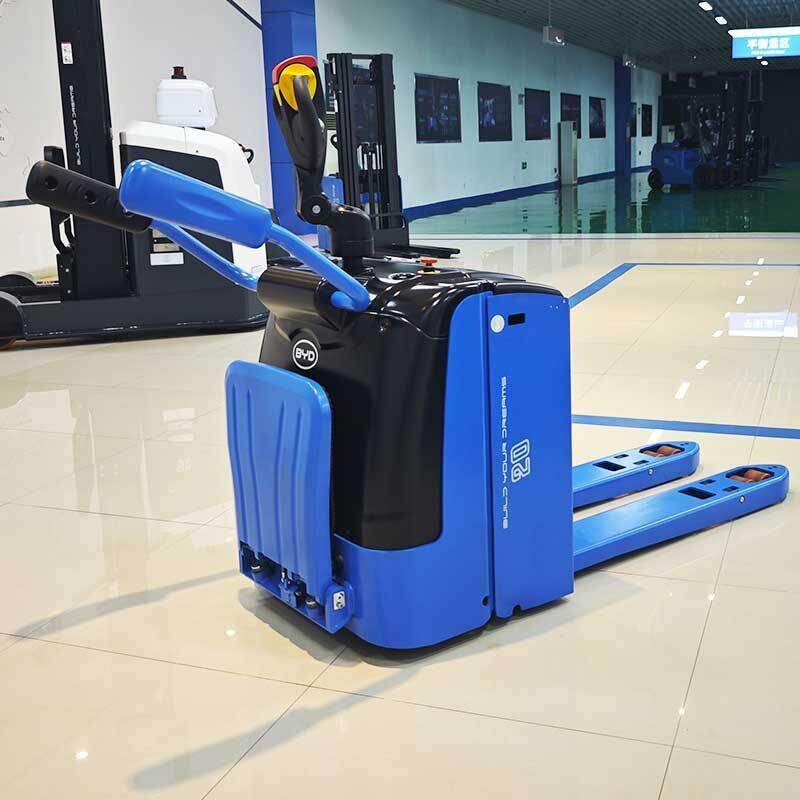
Many warehouse and logistics management teams easily ignore the necessity of regular refresher training for experienced electric forklift operators, as long-tenured staff are usually considered to have fully mastered all operation skills after years of practice. However, during long-term repeated daily work, unstandardized small bad habits, frequent adjustments of site layout, updated local safety regulations and new changes of facility equipment may bring hidden safety risks that even senior operators cannot notice in time. Properly scheduled refresher training can effectively eliminate these hidden dangers, maintain stable operation order of the whole work site.
The first step of reasonable scheduling is to complete baseline assessment for all experienced operators before making any training plan. You can sort out the operation records of each operator in the past 6 to 12 months, check for small collision records, unqualified operation behaviors and near-miss incidents, and arrange short one-on-one communication with each operator to collect their actual operation pain points, such as the operation difficulty of newly added narrow access areas, the operation adjustment demand for higher newly built storage racks. This assessment work can help you avoid arranging useless repeated basic skill training, and make all training content highly targeted to actual work scenarios.
Next, you can formulate hierarchical training cycles instead of applying a unified schedule for all operators. For operators who work in high-frequency operation areas with mixed pedestrian and vehicle flow, arrange small-scale targeted refresher training every 6 months. For operators working in conventional stable operation areas, arrange full-dimensional refresher training every 12 months. It is also necessary to set up temporary training trigger rules: once a non-major operation accident occurs, the whole site layout has major adjustment, or the latest industry safety specification is released, you need to organize corresponding refresher training for related operators immediately, no need to wait for the original fixed cycle.
During the training implementation, you should arrange proper time to avoid disrupting normal daily operation. It is recommended to split all trained operators into several small groups, each group of no more than 8 people, arrange training in off-peak hours of operation, to avoid affecting the normal goods handling progress. For experienced operators, do not spend too much time on basic operation content, focus on sharing recent typical hidden danger cases, new emergency disposal methods for electric forklift abnormal conditions, new specifications of narrow space operation, arrange enough time for on-site practical simulation, and correct the long-existing unstandardized operation habits of operators in time. After the training, complete simple assessment and record the result in the safety management file of the work site, collect feedback from all participants to optimize the follow-up training arrangement.


