
 English
 简体中文
简体中文 Русский
 Português
 Español
 لالعربية

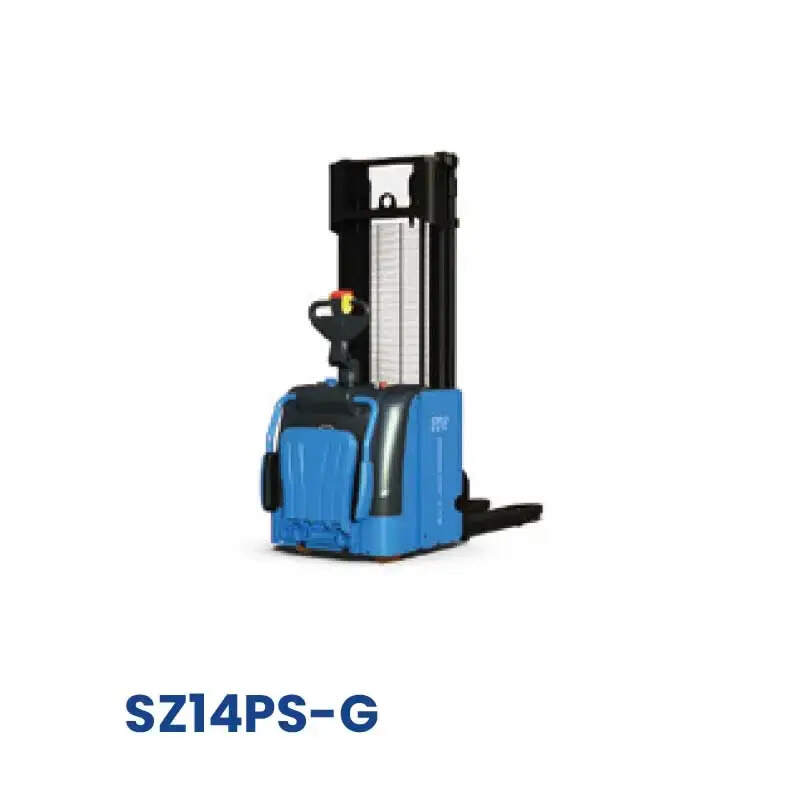
Developing a standardized certified electric forklift operator onboarding program is a core measure to reduce workplace material handling risks, ensure operation compliance and protect the safety of on-site staff. A scientific onboarding system can help new operators master necessary operation skills in a systematic way, avoid irregular operations that may cause equipment damage, cargo loss or personal injury.
First, you need to sort out all applicable regulatory requirements that fit your local industry rules, and combine the actual operation scenarios of your site to define the basic framework of the program. The basic content should cover core knowledge points including the basic structure and working principle of electric forklifts, load center identification rules, battery safe charging and maintenance specifications, common hidden risks in narrow warehouse passages, pedestrian-vehicle diversion rules, and emergency response plans for sudden equipment failures.
Second, design the progressive theoretical teaching module. Do not arrange too much boring indoctrination content, you can combine the historical hidden danger records and non-serious accident cases of your own site to explain the consequences of irregular operations, so that new operators can build sufficient safety awareness from the very beginning. All teaching content should be adjusted according to different operation scenarios, such as cold storage operation, flammable goods warehouse operation, which need to add corresponding targeted knowledge points.
Third, arrange the closed-loop practical operation training guided by experienced senior operators. The practical training should start in an independent closed operation area without other pedestrians and obstacles, letting new trainees practice basic actions including smooth start, low-speed steering, stable fork lifting and lowering, and accurate parking first. After trainees master these basic skills, gradually arrange them to carry out simulated operation in the low-peak period of actual operation sites, to get familiar with the actual road conditions, height limit and cargo features of the daily working environment.
Fourth, carry out two-dimensional certification assessment strictly. The theoretical assessment covers all the key knowledge points taught, and only trainees who reach the qualified score can enter the practical assessment link. The practical assessment needs to set multiple common operation scenarios, including narrow passage passing, high position cargo stacking, sudden obstacle avoiding, to check the trainee’s reaction ability and operation standard. Only those who pass both two assessments can obtain the official certified operation qualification to take up posts independently.
Finally, establish the post-onboarding follow-up mechanism. New certified operators should receive regular operation review and skill correction in the first 30 days of independent work, and all operators need to receive regular updated safety training and annual recertification assessment, to keep their operation habits consistent with safety specifications. All the training records and assessment documents should be properly archived for compliance verification.


