
 English
 简体中文
简体中文 Русский
 Português
 Español
 لالعربية

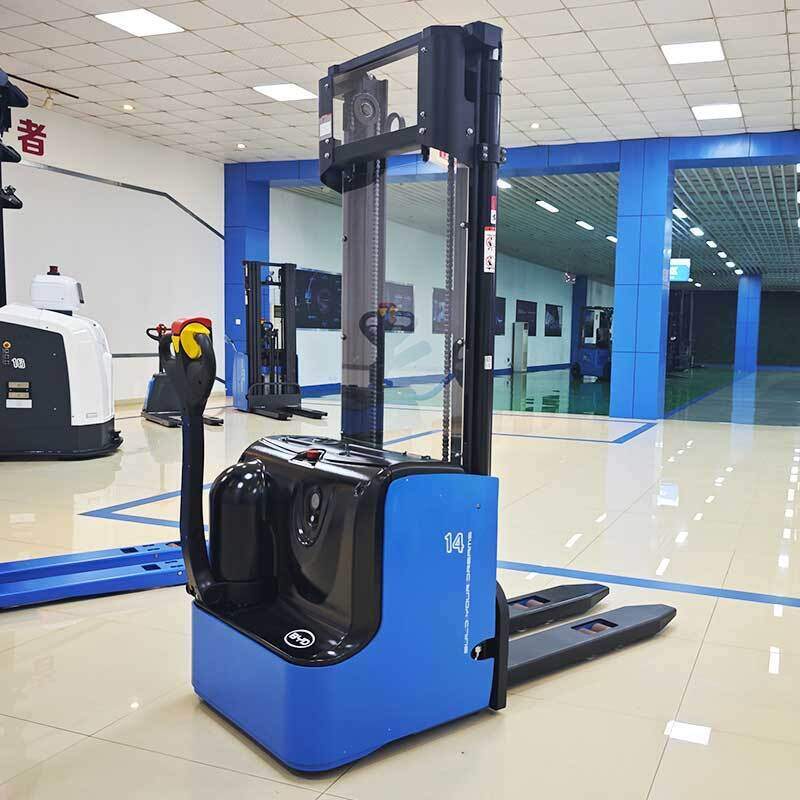
Against the background of booming green logistics development, electric forklifts have become one of the most widely used material handling equipment in various industrial scenarios in recent years. Many warehouse operation teams still face confusion in giving full play to the value of electric forklifts, avoiding unnecessary wear and matching equipment with actual operation demands. This guide provides systematic and practical references for relevant practitioners based on industry common experience.
Core Operational Characteristics of Electric Forklifts
Different from internal combustion powered counterparts, electric forklifts produce no exhaust emission at the operation site, and generate far lower noise during running. Such features make them highly compatible with enclosed operation spaces like indoor warehouses, food processing workshops and pharmaceutical storage areas that have strict requirements for ambient environment. The power output system of electric forklifts can deliver stable and sufficient torque at low running speed, which guarantees smooth performance in frequent start-stop, short distance movement and heavy load lifting operations. Users will not face extra pressure of exhaust emission permit application for indoor operation under most circumstances.
Key Points of Routine Daily Maintenance
Standardized daily maintenance can effectively reduce unplanned downtime of electric forklifts and extend the overall service cycle of core components. Operators need to regularly check the connection status of battery electrodes, remove accumulated dust and sundries on the surface of battery packs, and follow official operation specifications to finish charging procedures, to avoid the negative impact caused by over-charging or deep over-discharging. It is also necessary to check the flexibility of brake system, the lubrication status of lifting chains and the tightness of fastening parts before each shift, and eliminate minor hidden troubles in time, which can cut long-term operation cost significantly.
Scenario Matching Principles for Proper Use
Selecting electric forklifts that match actual operation scenarios can avoid unnecessary resource waste and obtain better input-output ratio. Teams need to confirm parameters such as average daily operation duration, maximum required lifting height, minimum width of operation channels and typical load weight before configuration, so as to choose suitable battery capacity, lifting structure and turning radius accordingly, instead of blindly pursuing redundant configurations that can not bring actual benefit in daily use. Proper application of electric forklifts will help teams optimize the whole material handling flow and adapt to the long-term development trend of low-carbon industrial operation.


