
 English
 简体中文
简体中文 Русский
 Português
 Español
 لالعربية

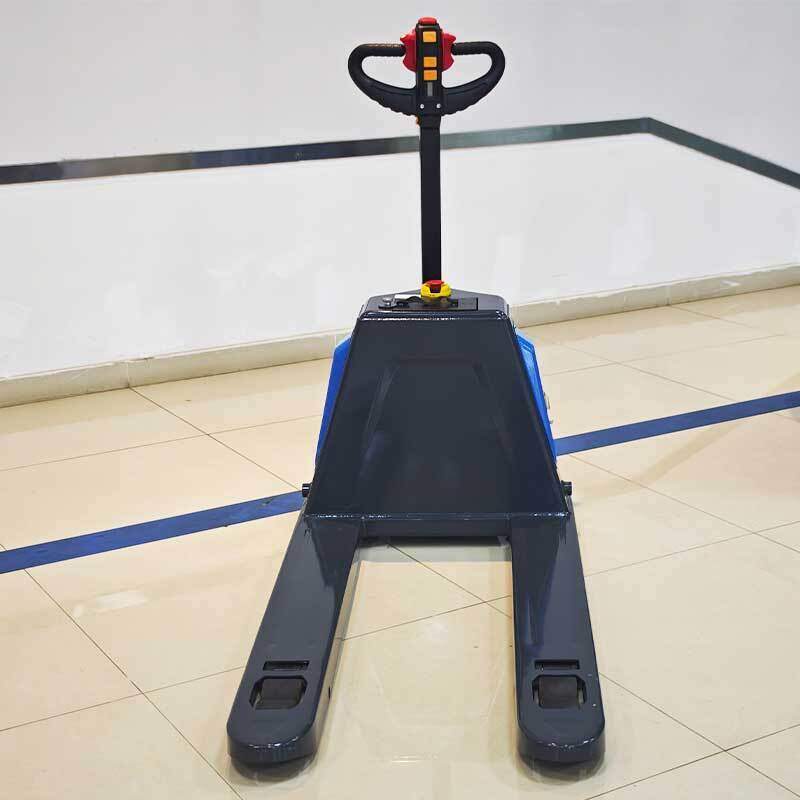
As low-carbon logistics concepts gain wider adoption across the industrial sector, electric forklifts have gradually become a mainstream material handling tool for most indoor and semi-outdoor operation scenarios. Unlike traditional fuel-powered counterparts, these equipment units run on stored electric energy, bringing distinct characteristics that fit the demands of modern warehousing and distribution systems.
Core Advantages of Electric Forklifts in Common Operation Scenarios
In enclosed indoor warehouse spaces, electric forklifts produce no exhaust emissions during operation, which avoids air pollution to stacked goods and improves the overall working environment for on-site staff. The noise generated during running is also kept at a relatively low level, which will not cause disturbance to other ongoing operations in the same plant area, or interfere with normal communication between frontline workers. For scenarios with frequent handling tasks within short distances, the power output of electric forklifts can match the load demand stably, meeting the basic transportation requirements of most regular cargo units.
Standardized Operation Guidelines for Novice Operators
Before starting each shift, operators need to conduct a basic inspection of the whole equipment, including checking the remaining power level, the flexibility of lifting and steering components, and the effectiveness of the braking system. During operation, staff should adjust the running speed according to the on-site road conditions, cargo load weight and surrounding pedestrian density, avoid sharp turns or sudden braking when carrying elevated goods. After finishing the daily task, operators should park the equipment in the designated area, lower the forks to a horizontal position close to the ground, and cut off the main power supply properly.
Practical Routine Maintenance Suggestions
Regular cleaning of the body surface and the gap between operating components can reduce the residual accumulation of dust and debris, lowering the probability of component jamming. The charging process should follow the specified procedures, avoid over-discharging the power pack for a long time, which can keep the power storage unit in a stable working state. Regular inspection of wear conditions of vulnerable parts can help discover potential hidden problems in time, reducing unexpected downtime during peak operation periods. Mastering these basic application and maintenance knowledge can help enterprises give full play to the value of electric forklifts, and steadily optimize the overall operation efficiency of the material handling link.


