
 English
 简体中文
简体中文 Русский
 Português
 Español
 لالعربية

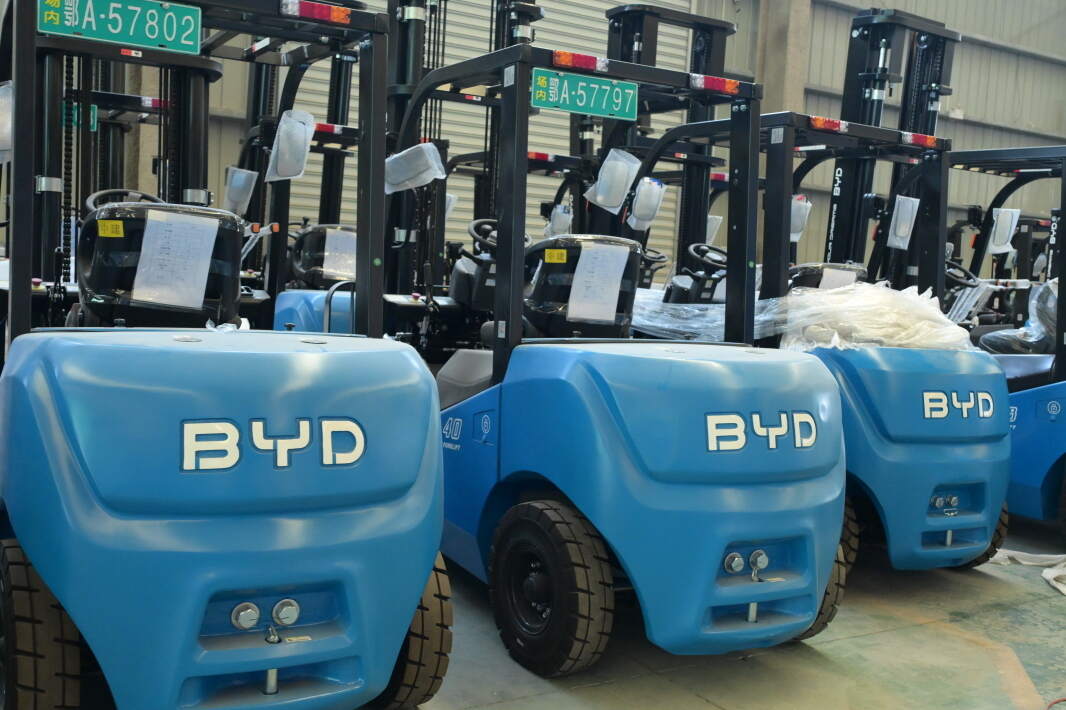
For multi-shift operation sites such as large logistics distribution centers, e-commerce storage parks and manufacturing material handling zones, electric pallet trucks usually run continuously for 16 to 24 hours a day, and regular battery swapping is the core link to avoid unexpected operational interruptions. A complete, standardized battery-swap training system can effectively reduce misoperation risks, extend the service life of related equipment, and ensure the smooth progress of all shift tasks.
The first module of the training focuses on basic safety cognition. All trainees need to master the basic properties of the traction battery for electric pallet trucks, confirm that the battery swap area must be kept dry, ventilated and free of any open flame sources, and learn to pre-check the protective facilities in the operation zone before each swap. Trainees are also required to remove loose hanging accessories before operating, and wear non-slip work shoes and insulated gloves as required to avoid unnecessary safety hazards. No one is allowed to conduct battery swap operations alone without finishing the full training session.
The second module is practical operation training covering the full standard process. Operators need to drive the electric pallet truck to the designated battery swap position stably, pull up the parking brake, and turn off the whole vehicle power supply completely before touching the battery components. Next, they can disconnect the low-voltage connector gently, take out the depleted battery with the matching handling tool, place it on the corresponding charging rack in the correct direction, and confirm the charging interface is well connected. Then, take the fully charged battery from the charging rack, align it with the vehicle’s battery slot and push it in steadily, connect the low-voltage connector properly, and run a quick function check to make sure all indicator lights are in normal state before restarting the pallet truck.
For multi-shift sites, the training also arranges special targeted modules. All operators on different shifts need to fill in the unified battery use and swap log accurately during handover, mark the battery status and any abnormal points found in time, so that the next shift staff can get clear information. The training also teaches staff to make reasonable scheduling arrangement during peak swap periods, to avoid over-crowding in the narrow swap zone. After the full training, corresponding assessment on both theoretical knowledge and practical operation will be carried out, and regular re-training will be arranged every few months to consolidate operation norms, which can effectively improve the overall operation efficiency of the electric pallet truck fleet.


